

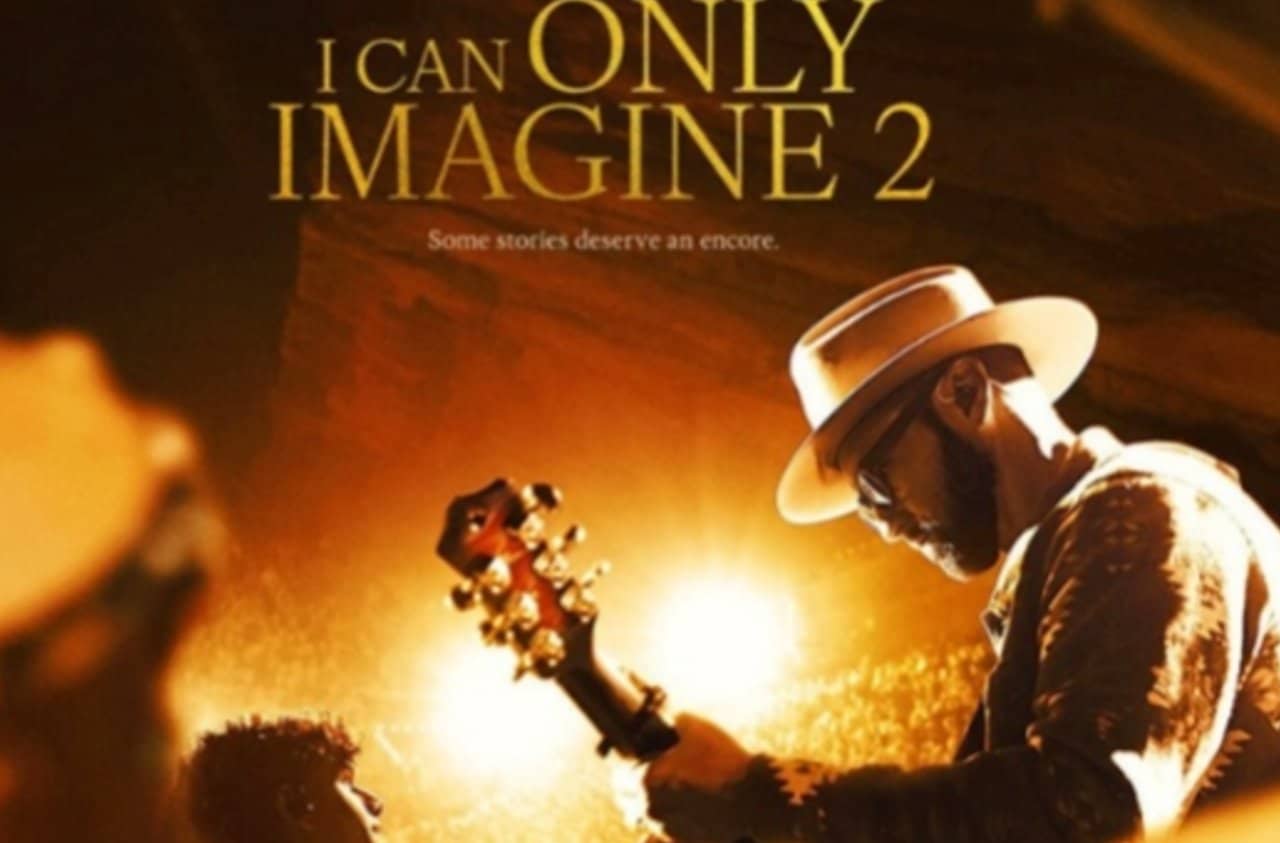
Contemporary Christian music icon MercyMe returns to the spotlight with “I Can Only Imagine 2”, a cinematic sequence that delves into the complexity of life and faith after the stratospheric success of its most famous song. The film, released in mid-February, not only revisits the band’s legacy, but also sets out to explore existential and personal issues faced by vocalist Bart Millard, addressing the difficult transition from a life marked by challenges to a level of global recognition. The narrative skillfully weaves a plot that questions the true meaning of fulfillment when all dreams have seemingly come true, and how new inspirations and purposes emerge amid unexpected struggles. With an approach that promises to be as emotional as it is reflective, the production of Lionsgate offers the public a cinematic journey about overcoming, forgiveness and the rediscovery of hope in scenarios of adversity. The feature film seeks to demonstrate that, even after glory, trials continue to be catalysts for personal growth and the deepening of faith.
The original song “I Sua resonance is such that, even with almost two and a half decades since its release, the ballad continues to evoke emotion, being frequently cited by individuals who find solace and a hopeful outlook for the future in it.
The song’s smash success paved the way for the 2018 film, which dramatized the moving story of Bart Millard’s troubled relationship with his abusive father, culminating in a powerful reconciliation. The film adaptation surprised the industry and critics, reaching the impressive mark of third most-watched film in the Estados Unidos in its opening weekend, a testament to the vast appeal of the theme and song.
What comes after big success?
The sequence “I Millard’s voice asks, “What comes after all your dreams come true? What do you do when the only thing in the world you hold on to is a song?” Esta premise sets the tone for a plot that explores the pressures and dilemmas of artists who reach the pinnacle with a single monumental success.
This early approach to the plot is an ingenious way to explore the continuity of a franchise that relies heavily on the popularity of a song. Diferente than other religious productions that are often inserted in “culture war” contexts, this film opts for a more intimate path. The central conflicts are built on genuine personal struggles, health crises, and the peculiar professional consequences that come with being the author of the greatest Christian pop song of all time.
The production, although it uses elements common to films of the genre such as mythification and emotional appeal, deviates from caricatured antagonisms. The plot unfolds based on internal challenges, allowing the audience to connect with the characters’ vulnerabilities. Essa narrative choice adds depth to the plot, making each individual’s journey more relatable and engaging to a broad audience.
Fatherhood and the challenge of illness
One of the crucial plot points is the diagnosis of juvenile diabetes of Millard’s son, Sam (played by Sammy Dell). An opening flashback shows Millard and his wife Shannon (Sophie Skelton) dealing with the medical episode. Millard, who was on tour, runs home and needs to learn how to manage Sam’s blood sugar and give insulin injections. Essa experience of causing physical pain to his own son triggers memories of his own childhood, marked by a violent father.
The film explores the adolescence of Sam, an aspiring musician more focused on his guitar than managing his health condition independently. The difficulty in remembering to measure blood glucose levels and even to eat becomes a burden for the family. The last-minute decision to take Sam on tour with MercyMe, the result of a casual comment from Millard to his manager, sets up a new scenario for the family challenges.
Multiple character battles
In “I Can Only Imagine 2”, several personal conflicts and complex themes intertwine. The narrative echoes the father-son relational tension of the original film, following Millard as he grapples with his own failures as a father and his failure to build an authentic relationship with Sam. Memories of her past with her abusive father are a constant backdrop to her current parental struggles.
A notable addition to the cast is Milo Ventimiglia, who plays singer-songwriter Tim Timmons, Bart Millard’s co-author of the song “Even If.” Timmons faces a personal battle with a rare form of cancer, keeping the condition a secret from Millard as they embark on tour. The complexity of his situation is amplified by the expectation of his first child with his wife, adding a layer of fragility and hope.
During the tour, the plot delves into the difficulties of Timmons, who needs to balance his career, his poor health and the joy of an imminent new fatherhood. Essa’s personal journey, full of uncertainty, serves as a powerful counterpoint to the challenges already faced by Millard, creating an environment of shared vulnerability among the musicians. The film weaves these individual narratives into a broader tapestry of faith and overcoming.
The interactions between the characters, especially Millard and Timmons, reveal layers of camaraderie and mutual support, even in the face of secrets and pain. The film seeks to humanize the experience of fame and success, showing that, behind the stages and lights, there are people with everyday struggles. Essa authenticity is one of the pillars of the production, which moves away from idealism to embrace the multifaceted reality of life.
The influence of hymns and the song “Even If”
During the tour, Timmons is seen reading a book titled “The Origem of Hinos”, a volume that evokes the image of an old classic, but which is in reality a model created specifically for the film’s release. Ele shares with Millard his deep appreciation for Horatio Spafford’s 19th-century hymn, “Stays
Sharing a moment of admiration for the song and its origins, Millard expresses the desire to be able to write a song with the same depth and impact, to which Timmons promptly responds: “You did it, man.” Essa conversation establishes a parallel between “I
The tension of the sequence and the musical legacy
The film proposes that great songs emerge from great struggles. Millard’s turbulent relationship with his father and reconciliation before his death inspired “I Can Only Imagine”. Da Likewise, the tragic loss of Spafford’s daughters in a shipwreck gave rise to “It is Well with My Soul”. The sequence invites the audience to reflect on what “great song” might emerge from the current difficulties faced by Millard and Timmons, fueling curiosity about MercyMe’s new material.
During the tour, Timmons collaborates with Millard to create a new song. Millard, however, is distracted by Sam’s health problems and memories of his father. Eventualmente, upon listening to Timmons’s minimalist demo, he connects with the melody and lyrics, and the song turns into “Even If”. The song Esta, as revealed in the film’s closing credits, would become MercyMe’s biggest hit after “I Can Only Imagine”, reaffirming the band’s ability to reinvent itself and touch hearts with new messages of hope and resilience.
New inspirations and the future of the band
The song “Even If”, released by MercyMe in 2017, incorporates excerpts from the chorus of “It is Well with My Soul” and presents a challenging message: Embora “Even The narrative explores the complexities of the continuous search for relevance and the challenge of surpassing one’s achievements, as the band strives to remain creative and inspiring in an ever-evolving market.



