


The sighting of the crescent moon occurred in several parts of Índia on Wednesday night, marking the beginning of the holy month of Ramadã from Thursday, February 19, 2026. Mumbai and Hyderabad.
The month of fasting lasts 30 days, during which Muslims observe roza from dawn to dusk, abstaining from food, drink and other activities. Essa annual practice strengthens spiritual discipline and community solidarity, with special prayers held in mosques at dusk.
Islamic authorities have called on the community to dedicate prayers for the well-being of the country’s people, emphasizing the importance of unity in times of global challenges. The announcement came after local moon-sighting committees gathered credible testimony from trained observers.
Regional sightings
Reports of moon sightings came from multiple regions, including north and south of Índia, ensuring a unified date for the start of Ramadã. Em Délhi, Naib Shahi Imam and Jama Masjid confirmed the view, aligning with observations in states like Assam and Bihar. Essa coordination avoids discrepancies that could occur due to varying weather conditions.
In cities such as Mumbai and Bangalore, local groups of Muslims gathered at high points to watch the sky at sunset. The quick confirmation allowed families to prepare for the first day of fasting by adjusting pre-dawn meal times known as sehri.
Practices during the month
During Ramadã, worshipers perform additional prayers called Taraweeh in mosques after dinner, reciting parts of Alcorão throughout the month. Essa tradition culminates in the complete recitation of the holy book until the sighting of the moon of Eid. Mosques are filled with devotees, promoting an environment of reflection and charity.
Daytime abstinence includes not only food and drink, but also smoking and intimate relationships, with a focus on spiritual purification. Muitos Muslims increase acts of generosity, donating food and resources to those in need, reinforcing the pillars of Islã.
Fasting times vary by location, with sunrise and sunset determining the daily start and end. Em Délhi, for example, sehri ends around 5:30am local and iftar occurs after 6pm, adjusting slightly each day.
International differences
While Índia starts Ramadã on February 19, Golfo countries like Arábia Saudita and Emirados Árabes Unidos start on February 18 due to previous sightings. Essa variation arises from dependence on local observations of the moon, respecting regional traditions. Países on Ásia of Sul, including Paquistão and Bangladesh, have aligned with the Indian date following similar confirmations.
Central committees in each nation coordinate announcements to minimize confusion, although some communities follow astronomical calculations rather than ocular views. Essa mixed approach reflects historical debates about lunar determination methods in the Islã.
Spiritual significance
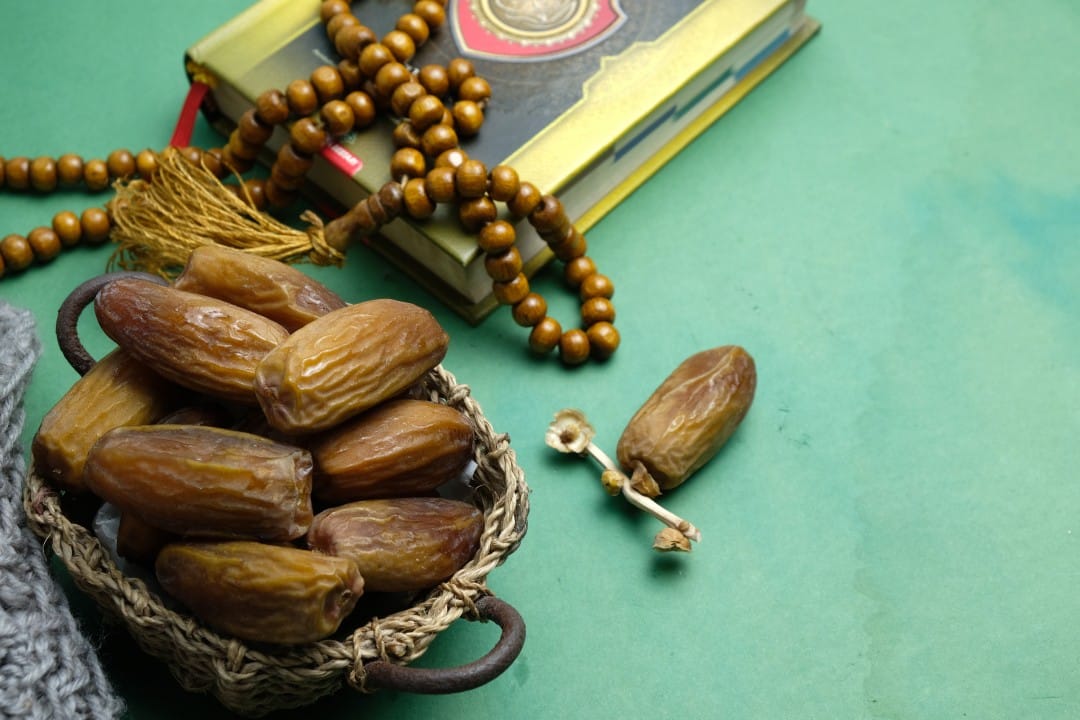
The Ramadã represents the month in which the Alcorão was revealed to the Profeta Maomé, making it a period of intense devotion and religious study. Muslims seek forgiveness and closeness to Deus through extra prayers and reading the sacred text. Essa annual observance renews personal and community commitments to ethical values.
In addition to physical fasting, the focus is on patience, empathy and self-control, qualities that extend beyond the month to everyday life. Famílias get together for evening meals, strengthening bonds and sharing stories of faith.
Community preparations
Mosques and Islamic centers in Índia organize special programs, including lectures on religious topics and food distributions. In urban areas like Délhi and Mumbai, night markets flourish with vendors offering traditional dishes for iftar. Essas economic activities boost local commerce during the period.
Charitable organizations step up campaigns to help low-income families, ensuring everyone can take part in the celebrations. Voluntários coordinate deliveries of food kits, including dates, fruits and sehri essentials.
Health aspects
Intermittent fasting during Ramadã offers benefits such as improved digestion and weight control, as long as meals are balanced. Especialistas recommend adequate hydration during non-fasting hours and consumption of nutritious foods. Estudos indicate reductions in blood sugar and blood pressure levels among healthy participants.
However, individuals with medical conditions consult healthcare professionals before fasting, with exemptions allowed for the elderly, sick, and travelers. The emphasis is on maintaining physical well-being while attending to spiritual duties.
Cultural traditions
At Índia, Ramadã integrates local cultural elements such as regional dishes at iftar, ranging from kebabs in the north to biryanis in the south. Famílias prepare special meals, incorporating Indian spices into traditional Arabic recipes. Essa merger reflects Muslim diversity in the country.
Celebrations include visiting relatives and exchanging greetings, strengthening social networks. Crianças learn about the month through stories and participation in prayers, passing on generational traditions.
Social impacts
The period fosters interfaith solidarity, with non-Muslims often participating in community iftars. Iniciativas dialogue promotes mutual understanding in a pluralistic society like Índia. Eventos audiences highlight Muslim contributions to national culture.
Local governments facilitate arrangements such as flexible schedules in schools and offices to accommodate fasting. Isso ensures that compliance does not interfere with daily responsibilities.
Astronomical observations
Astronomical calculations predicted the lunar conjunction on February 17, with visibility possible from 18. Observadores use telescopes and applications to assist in detecting the thin crescent. Esses modern tools complement traditional methods.
Global visibility reports indicate that the moon was easily seen at Ásia as of February 18, aligning with official announcements. Essa Precision helps in advance planning of religious activities.
Final celebrations
As the month progresses, anticipation grows for Eid al-Fitr, marked by the sighting of the next moon. Preparações include shopping for new clothes and sweets for the party. The transition from fasting to celebration emphasizes gratitude and joy.
Communities organize collective prayers in open fields in Eid, bringing together thousands in prayers of thanks. Doações obligatory zakat al-fitr ensures that the poor participate in the festivities.
Messages from leaders
Religious leaders emphasized prayers for national peace and prosperity, calling for unity amid economic and social challenges. Essas messages resonate with themes of compassion inherent in Ramadã. Muçulmanos are encouraged to extend help beyond their communities.
Government officials extended greetings, recognizing the importance of the month for millions of citizens. Isso reinforces the commitment to religious harmony in the country.



