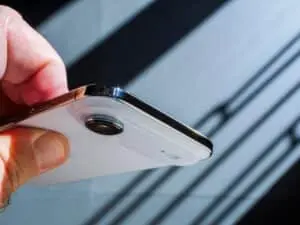
Future iPhone should bring back transparent design and hide front camera to increase visual immersion
Apple plans a profound aesthetic overhaul for its line of premium smartphones, scheduled for launch in September 2026. The ambitious project aims to combine cutting-edge technological innovations with a tribute to the brand’s visual legacy, introducing design elements that evoke the classic era of personal computers. The main focus lies in the integration of translucent materials and the definitive elimination of cutouts on the screen, promising a totally immersive user experience.
Return of translucent aesthetics and historical inspiration
The visual concept under development seeks direct inspiration from the iconic Macintosh computers from the late 90s, specifically the iMac G3 and iBook, famous for their colorful and semi-transparent finishes. The design strategy aims to create an emotional connection with consumers, rescuing the industrial language that consolidated the company as a global reference in creativity and innovation during Steve Jobs’s leadership.
The practical implementation of this nostalgic look must occur through a transparent glass window located on the back of the device, aligned with the MagSafe charging system. Esse detail will allow the visualization of internal components, such as the wireless charging coil and adjacent circuits, creating a unique aesthetic difference in the high-end market. Testes of durability and connectivity are already underway to ensure that the use of these materials does not interfere with network signals or the structural strength of the device.
Learn more: Apple redefines the look of the iPhone 18 Pro with transparent back and unprecedented 5200 mAh battery
End of screen cutout and display advances
One of the most anticipated changes is the replacement of the dynamic island with front camera technology positioned under the display. The technical solution, developed in partnership with OLED screen suppliers, aims to make the lens practically invisible when not in use, expanding the useful viewing area by around 5%. Sensores essential for facial recognition will also be located below the panel, maintaining biometric security without compromising the visual integrity of the interface.
The transition to this new format requires panels with calibrated transparency to allow light to pass through to the photographic sensor without distortions in the captured image. The expectation is that the technology will reach the necessary maturity by the 2026 production cycle, ensuring that the quality of selfies and video calls meets the rigorous quality standards required by users of the Pro line.
Evolution in the camera system and processing
The rear photographic set will receive a significant update with the introduction of a main sensor with variable aperture. Essa functionality will allow mechanical adjustment of light input, switching between f/1.4 and f/2.0, which offers greater control over depth of field and performance in low-light scenarios. The system will be complemented by a 48 MP telephoto lens with 5x optical zoom and stabilization improvements for high-resolution video capture.
See Also


On the same topic: Apple revolutionizes iPhone 18 Pro line with translucent back and hidden camera under the display
All hardware management will be driven by the upcoming A20 Pro chip, manufactured using 2-nanometer lithography. The new architecture promises a leap in energy efficiency and processing capacity for artificial intelligence tasks. Além In addition, the internal structure of the battery must adopt a stainless steel coating, replacing aluminum, to improve heat dissipation and allow an increase in energy density, aiming for greater autonomy.
Staggered release strategy
Behind-the-scenes information suggests a change in the traditional sales schedule for the coming years. The company is considering separating the launch windows, making the most advanced models available in the second half of 2026 and the conventional versions only in the spring of the following year. Esse strategic move aims to highlight the exclusive innovations of the premium line, positioning it as the main technological event of the season.
Full coverage: News (EN)