
Market leader gains Twister look and cleaner engine to comply with new environmental rules By Carolina Costa
5 min read
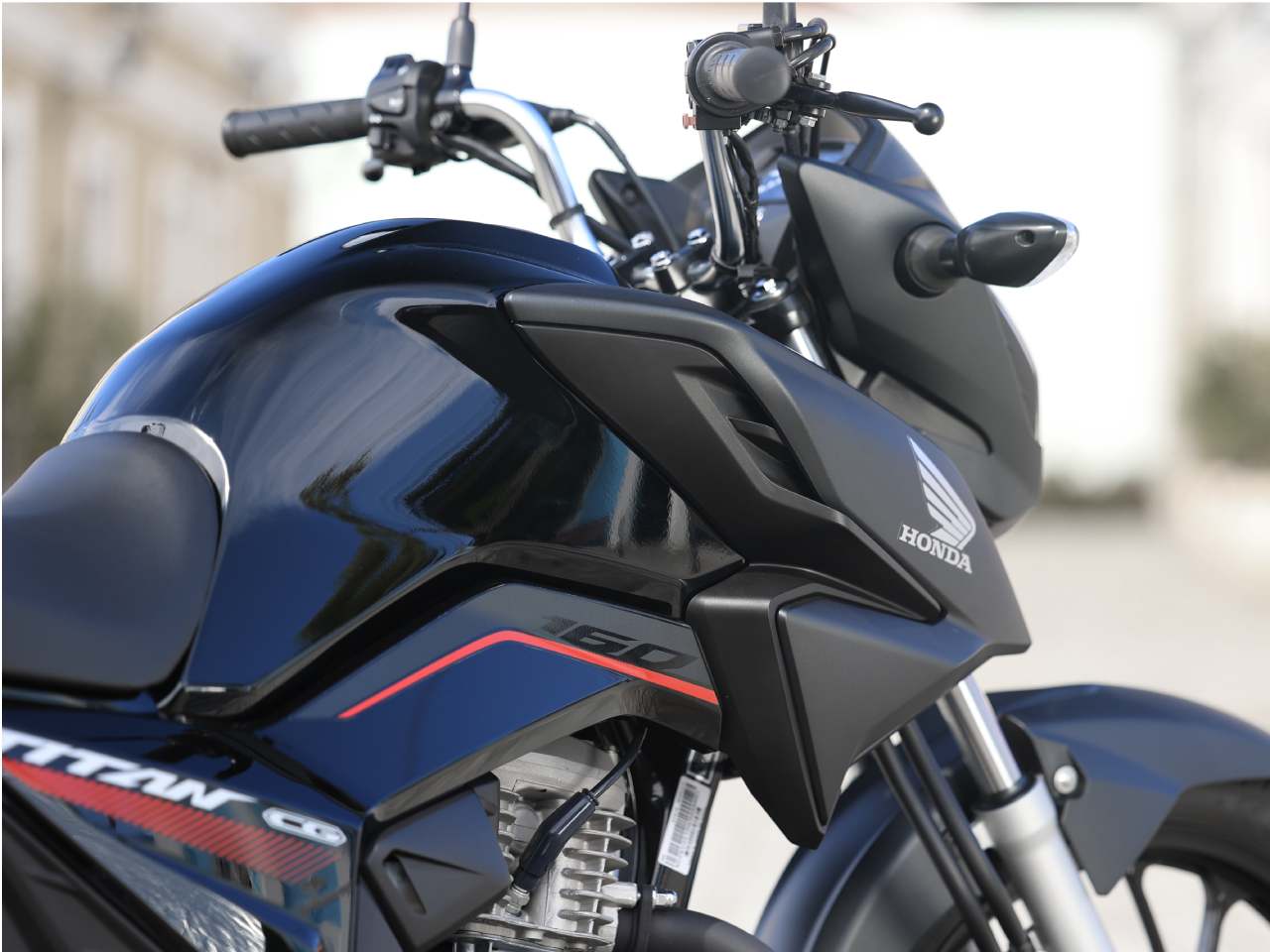 |
The two-wheeled industry in Brasil is going through a moment of significant transformation with the update of the most popular motorcycle in the country. Honda implemented strategic changes in the CG Titan line to align the vehicle with the most recent environmental requirements, ensuring the continuity of its hegemony in the national market. The renewed project is not just limited to mechanical adjustments, but brings a profound aesthetic reformulation that brings the utility model closer to the medium-displacement categories, seeking to attract an increasingly demanding consumer.
The changes were mainly driven by the entry into force of the new phase of Promot (Program of Controle of Poluição of Ar by Motociclos and The legislation imposes stricter limits on the emission of polluting gases, forcing automakers to invest in precision engineering. Para the Japanese automaker, the challenge was to maintain mechanical reliability and fuel economy — pillars of CG’s fame — while drastically reducing the vehicle’s carbon footprint.
The visual impact of the new generation is immediate and breaks with the conservatism of previous versions. The inspiration from the CB 300F Twister is evident, giving the bike a more athletic and robust stance. The tank’s fairings were redesigned to offer better ergonomics and leg fit, while the front part gained aggressive lines that modernize the whole. Essa design strategy aims to create a unified visual identity across the brand’s product family, elevating the perception of value of the entry model.
Among the main technical and aesthetic novelties that define this launch, the following stand out:
– Adoção LED lighting system for better nighttime visibility and energy efficiency;
– Painel digital “blackout” type with easy reading of essential data;
– Introdução USB port for charging mobile devices, meeting the demand of delivery professionals;
– Rodas light alloy in the Cargo version, replacing traditional spokes for greater durability.
Mechanical adjustments and environmental compliance
The heart of the new CG Engineering focused efforts on the electronic injection system and the catalyst, aiming to reduce carbon monoxide, hydrocarbons and nitrogen oxides. The central objective was to clean emissions without sacrificing the performance that urban motorcyclists expect for their daily commute.
Even with the most severe environmental restrictions, performance numbers remain competitive. Power remains at around 14.3 horsepower, with torque of 1.45 kgfm, ensuring the agility necessary for congested traffic in large cities. Essa maintaining performance is crucial for public acceptance, which historically values quick throttle response in overtaking and sprinting situations.
The adaptation to the Promot M5 positions the model as a more sustainable individual transport option. In a scenario where environmental responsibility gains importance in purchasing decisions, offering a vehicle with a lower ecological impact becomes an important competitive differentiator, in addition to a legal obligation for sales in the national territory.
Evolution in security and embedded technology
Safety received priority attention in the project update, reflecting concerns about the high rates of accidents in urban traffic. The braking system has been improved with the inclusion of discs on both wheels, providing superior stopping capacity and greater control in emergency situations. The CBS technology (Combined
In terms of technology, the modernization of the instrument panel represents a leap in quality. The new digital display offers a clear view of vital information, such as speedometer, tachometer, fuel level and total and partial odometer. The interface was designed to be readable in strong sunlight or at night, minimizing the need for the pilot to divert attention from the road.
Connectivity has also been addressed with the inclusion of an integrated USB port. Este feature, previously restricted to premium models, has become indispensable for CG’s user base, made up mostly of workers who use navigation and communication applications throughout the day. The ease of charging your smartphone directly on the motorcycle eliminates the need for parallel electrical adaptations that could compromise the warranty or safety of the electrical system.
Focus on professional use with the Cargo line
Version Cargo, dedicated exclusively to the transport of goods and logistical services, received specific improvements focused on reducing operational costs and increasing useful life. The replacement of spoked wheels with light alloy models is the most significant change, as it eliminates the need for frequent spoke alignment and offers greater resistance to impacts, common on poorly maintained Brazilian roads.
The new side fairings also perform a protective function, shielding sensitive engine components from debris and minor side collisions. Para fleet owners and freelancers, these changes translate into less machine downtime for maintenance and greater profitability at the end of the month, reinforcing Honda’s position as a strategic partner in the urban logistics sector.
Market scenario and price positioning
The commercial strategy for the launch of the new CG Titan involves a delicate balance between innovation and accessibility. Embora the automaker maintains secrecy about the official table until the last moment, market analysts project a moderate adjustment in relation to the base value of the previous line, which orbited around R$ 17,440. The increase should reflect the costs of new onboard technologies and the development of a cleaner engine, but without making purchase unfeasible for the target audience.
To mitigate the impact of the new price, the brand is expected to strengthen its credit lines and the traditional consortium system, fundamental tools to democratize access to brand new vehicles in the Brasil. Maintaining an attractive cost-benefit ratio is essential to protect leadership against the competition, which is also moving to update its portfolios in accordance with new environmental rules.
The success of this launch will serve as a thermometer for the entire two-wheel sector. The acceptance of changes by the consumer will dictate the pace of the next innovations and will confirm whether the focus on a more sporty design and greater technological content is the correct way to maintain the relevance of an icon that crosses generations.











