

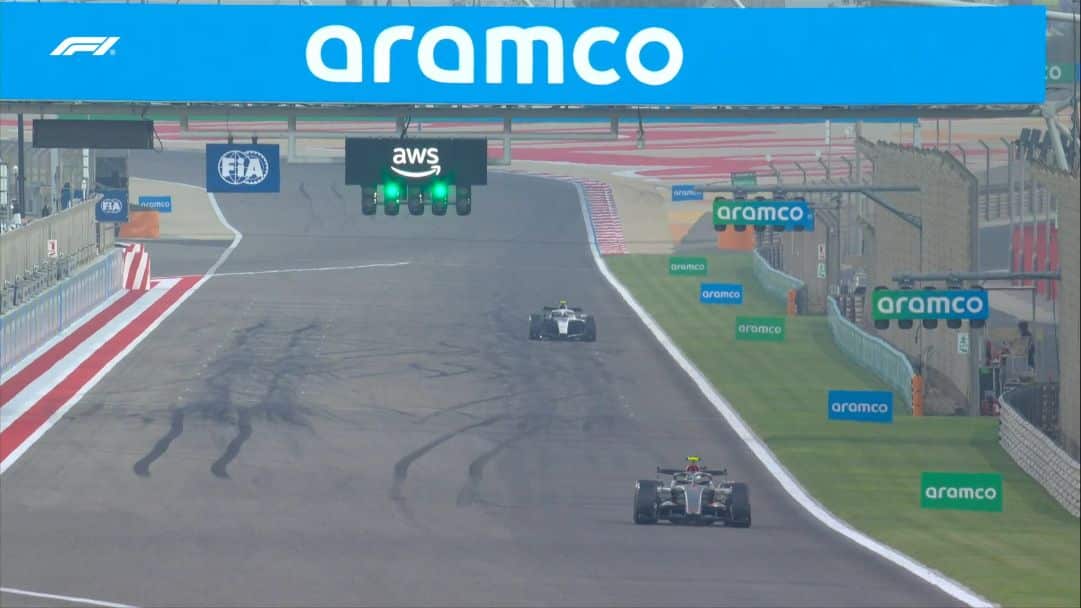
Federação Internacional of Automobilismo determined direct interventions in the technical regulations planned for the next generation of cars in the highest category of motorsport. Após detailed analyzes carried out in high-performance simulators, the entity identified undesirable behaviors in the power units that will equip single-seaters in the near future. The action aims to prevent energy-saving strategies from compromising speed on straight lines and the fight for positions on the track.
The virtual tests highlighted a worrying scenario where drivers would be forced to downshift on the straight to regenerate the batteries, creating dangerous and artificial situations in the races. To overcome this initial design flaw, the regulatory body established a collaborative working group with teams and engine suppliers to refine aerodynamic drag and electrical power management parameters.
The central objective of the changes is to ensure that the sporting spectacle maintains its DNA of high speed and technical challenge, without the complexity of the new hybrid engines becoming an obstacle to pure performance. The rules restructuring focuses on the balance between internal combustion and electric propulsion, ensuring that cars remain agile and that wheel-to-wheel battles are decided by the skill of competitors rather than software limitations.
Technical adjustments and impact on aerodynamics
The introduction of a 50% power split between the internal combustion engine and the electrical system brought unprecedented challenges to the category’s engineering. Initial simulations demonstrated that, without adjustments, the battery would run out long before the end of the big straights, turning the cars into slow vehicles in the sections where they should reach their maximum speeds. Esse phenomenon required a complete overhaul of the interaction between the chassis and the power unit.
To solve the final speed deficit and inefficient energy management, new priorities were established in car development:
- Implementation of more aggressive active aerodynamics systems to reduce drag on the straights.
- Recalibration of fuel flow and energy recovery to avoid abrupt power cuts.
- Downforce cornering adjustments to ensure grip in curves without penalizing straight-line progress.
- Revision of regeneration parameters to eliminate the need for artificial downshifts.
The technical teams identified that the simple evolution of current engines would not be enough to meet the new demands of sustainability and entertainment. The “agile car” concept proposed by the organization intrinsically depends on aerodynamics that work in symbiosis with the engine. If the car generates a lot of drag, the electric motor consumes its charge quickly; If the drag is too low, the car loses stability when cornering. The new rules package seeks the exact balance point where technology serves the competition, allowing the driver to explore the limits of the equipment throughout the entire lap.
Collaboration between teams and regulatory body
The process of refining the technical standards involved unprecedented cooperation between the federation and the grid’s main manufacturers, including Ferrari, Mercedes, Red Bull Powertrains, Audi, Honda and Renault. Diferente from previous eras, where each team protected its data at all costs, the risk of flawed regulations united competitors in favor of the viability of the championship. Sharing simulation data made it possible to identify loopholes in the original rules text long before any physical parts were manufactured, saving resources and development time.
This joint task force operated under the premise that the stability of the rules is fundamental to attracting new investors and automakers. By correcting the direction of the technical project in advance, the category avoids excessive expenses with mid-season corrections and ensures that all teams start from a solid and functional base. Transparency in technical discussions ensured that no manufacturer gained undue advantage through unclear interpretations of the regulations, leveling the playing field for the debut of new models.
Preservation of sporting identity
The ultimate concern of sports authorities lies in public perception and the quality of the product delivered to fans. A race car that needs to slow down on straights to survive the duration of the race contradicts the basic principle of Fórmula 1 as the pinnacle of automotive performance. The corrections applied aim to eliminate any possibility of races focusing excessively on resource management to the detriment of competing for positions.
With the modifications confirmed, the expectation is that lap times will remain challenging and visually impressive. Advanced hybrid technology will serve as a backdrop to human talent, ensuring that overtaking remains a maneuver of courage and precision, and not just the result of one car having more battery than another. The category thus reaffirms its commitment to technological innovation without giving up the emotion that retains millions of spectators around the world.