
Square Enix’s strategic change points to multiplatform launch for the end of Final Fantasy VII

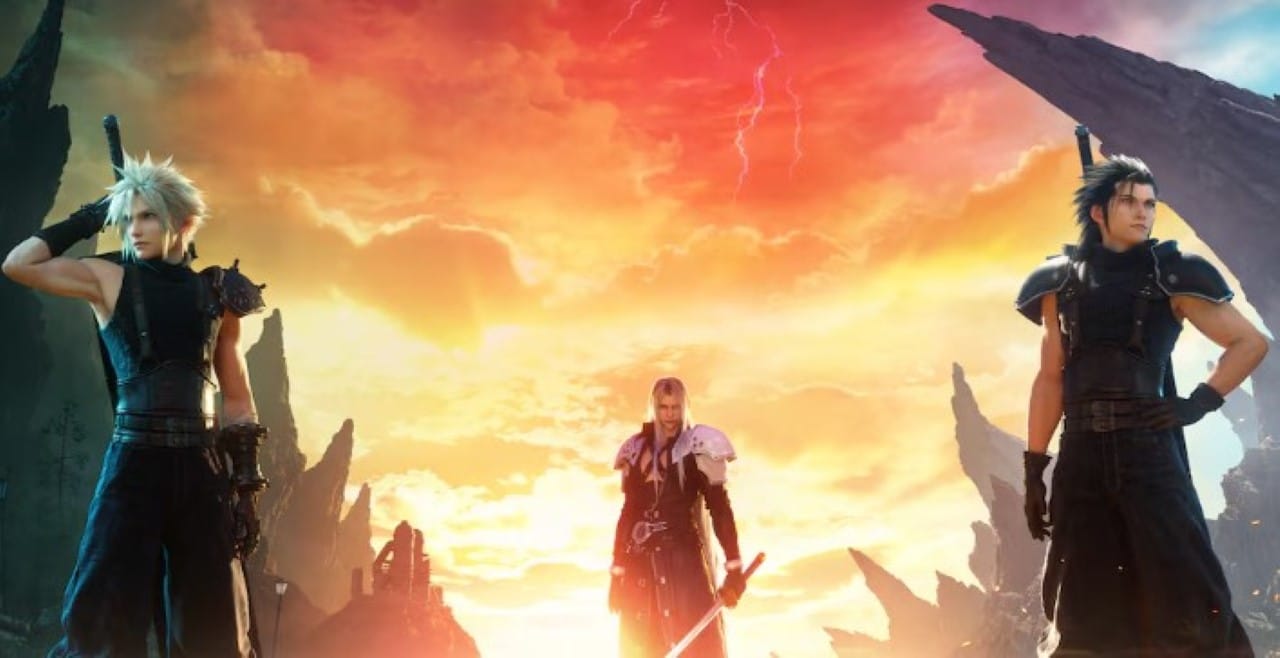
The electronic games industry is closely watching Square Enix’s recent movements, which indicate a significant change in the distribution model for the conclusion of the Final Fantasy VII Remake project trilogy. Recent Informações suggest that the third and final part of the saga will not follow the pattern of temporary exclusivity with Sony, adopted in previous titles, but rather a simultaneous release on multiple platforms. The central objective of this new guideline is to ensure that the final chapter is available on day one for PlayStation, Xbox and PC, considerably expanding the reach of the product.
Historically, the franchise has maintained close ties with the Sony consoles during the re-release period of this classic. The first game arrived on the PlayStation 4 in 2020, remaining restricted for a long period, while the second part, released in February 2024, was made available exclusively for the PlayStation 5. The new approach breaks with this tradition, seeking to align the launch of the trilogy’s conclusion with a more aggressive and comprehensive market strategy, aiming to capture the entire consumer public immediately.
This decision reflects a pressing financial need given the costs of producing AAA-rated titles. Developing games of this caliber requires massive investments in technology, staff and marketing, making the exclusivity model, even if temporary, an increasingly greater financial risk. By eliminating platform barriers, the Japanese developer hopes to mitigate risks and accelerate return on investment, ensuring that initial sales volume is sufficient to cover high operating expenses.
Financial sustainability and market reach
The restructuring of Square Enix’s release strategy is not just a logistical change, but a direct response to the transformations in the global digital entertainment market. Analistas from the sector point out that exclusivity agreements, which previously guaranteed crucial capital injections at the beginning of development, may no longer compensate for the loss of revenue from other installed bases, such as computer users and the Xbox ecosystem.
To achieve the stipulated fiscal goals, the company identified that immediate availability is a determining factor for the commercial success of large franchises. The gap between its release on one console and its arrival on other platforms often dissipates the initial enthusiasm, known as “hype”, resulting in lower sales figures when the game is finally ported. Unifying the launch date allows you to take advantage of the moment of greatest public engagement.
Furthermore, the expansion to PC and Xbox on launch day represents the democratization of access to one of the most anticipated titles of the decade. The measure aims to regain investor confidence and demonstrate that Final Fantasy’s intellectual property still has the strength to compete with other giants in the sector, as long as it is not artificially limited to a single piece of hardware.
Technical advantages and team continuity
The development of the third part directly benefits from the stability and experience accumulated by the technical team. The team responsible for creating the game remains practically unchanged, retaining veterans who worked on the scenarios, combat mechanics and narrative of previous chapters. Essa continuity is vital to ensure the cohesion of the work and the final quality of the product.
Technological choice also plays a key role in the viability of multiplatform launch. The continued use of Unreal Engine makes it easier to adapt code to different hardware, allowing developers to optimize game performance for varying PC and console specifications without needing to rewrite large portions of the base software.
- Reduction of time in the portability process between different systems.
- Maintaining graphical fidelity on all supported platforms.
- Optimization of financial resources during the production phase.
- Ensuring a consistent user experience regardless of device.
The efficiency provided by the graphics engine allows the team to focus on polishing and expanding content, rather than spending excessive resources on resolving technical incompatibilities. Isso ensures that the conclusion of the saga maintains the high visual standard established, while at the same time being accessible to a significantly larger player base.
The end of an era of exclusivity
The conclusion of the narrative of Cloud Strife and his allies will also mark the end of uncertainty for fans who do not own PlayStation consoles. The promise of a definitive resolution to the plot, which diverges from the original 1997 game, generates high expectations that Square Enix intends to convert into direct sales without hardware restrictions. The strategy signals that the company now prioritizes revenue generated by software over hardware partnerships.
Although the community awaits an official announcement with the precise date, the direction taken by the company’s management is clear. The absence of exclusive logos in future promotional materials and recent tax reports reinforces the thesis that the franchise’s next big event will be universally celebrated. The gaming industry is heading towards a future where content transcends platform, and this launch should consolidate this trend.
With the technical infrastructure prepared and the commercial strategy revised, the final chapter of Final Fantasy VII Remake has the potential to set new records for the franchise. Increased accessibility not only benefits consumers, who gain power of choice, but also strengthens the publisher’s position in an increasingly competitive market that is averse to unnecessary risks.



