

A massive outage hit the main computer game distribution platform this Friday, leaving thousands of users without access to their digital libraries. The incident, which began in the middle of the afternoon, affected the ability to log in, start online matches and even validate titles that do not require constant connection, generating a wave of complaints in several countries.
The first signs of technical failure began to be noticed around 4:29 pm, Brasília time, at which time digital services monitoring charts recorded a vertical spike in error notifications. What seemed to be a momentary fluctuation quickly turned into a widespread problem, preventing the gaming community from taking advantage of the start of the weekend for their leisure activities.
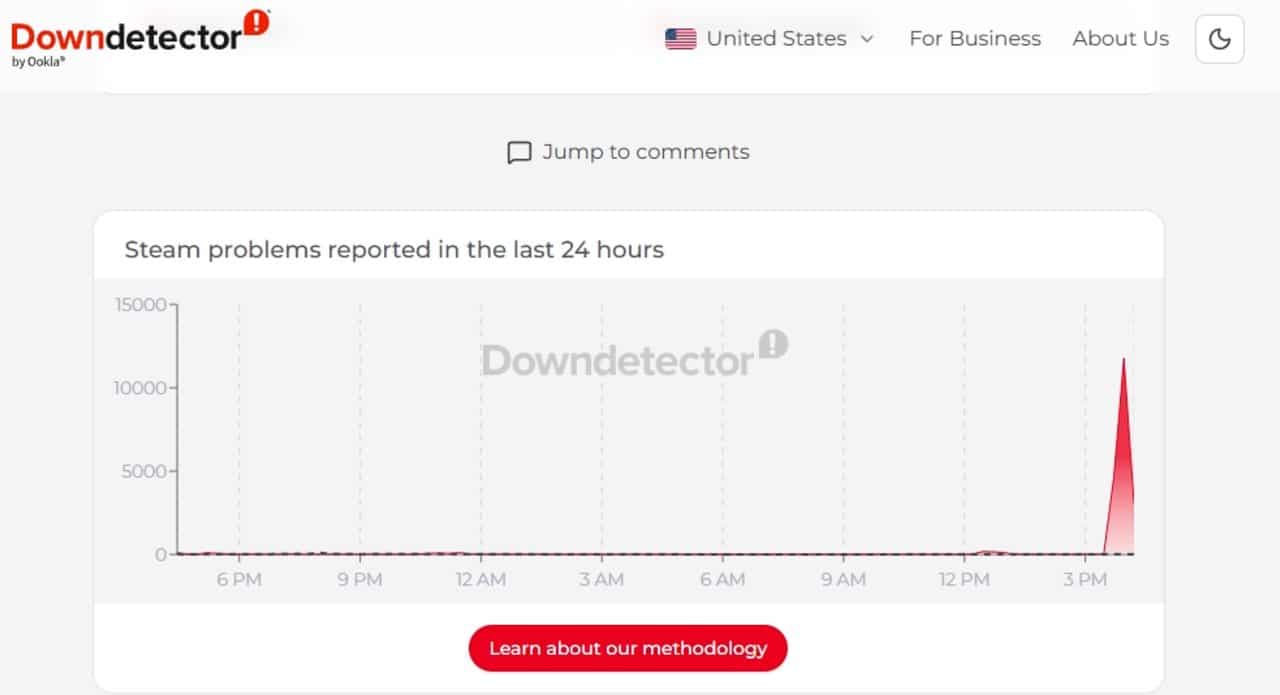
The situation had an immediate impact on amateur championships and cooperative gaming sessions, as the Valve infrastructure is the backbone for connectivity for countless popular titles. Sem authentication on central servers, many essential resources became inaccessible, isolating players and interrupting the normal flow of transactions in the online store.
User reports indicate that the failure did not discriminate geographic location, with reports appearing simultaneously in América of Norte, Europa and América of Sul. The global nature of the problem suggests a difficulty in the main data centers or content distribution system that manages data traffic between clients installed on computers and the company’s cloud.

Monitoring and coverage of failures
Independent tools that track the status of online services confirmed the severity of the digital blackout. The complaints curve rose exponentially in a matter of minutes, a behavior typical of critical failures in large infrastructures. Diferente of scheduled maintenance, which generally occurs at times of lower traffic and is notified in advance, this event caught the consumer base completely off guard.
Analysis of the data collected during the incident reveals that the instability reached the core of the platform’s functioning. Não was just a slow download or errors in the store, but rather a breakdown in the basic communication necessary to validate the user’s identity and usage licenses. Isso raises questions about systems redundancy and responsiveness to demand spikes or unforeseen software errors.
Network experts point out that, in such centralized ecosystems, a failure in a critical authentication node can generate a cascade effect. Quando the login system fails, preventing access to a series of dependent subsystems, such as the inventory of virtual items, the friends list and the matchmaking system, creating the perception of a total “blackout” for those at the end of the connection.
Most frequent types of errors
Categorizing complaints provides a technical overview of what happened behind the scenes. The vast majority of users, around 43%, specifically reported “connection to the server” issues. Essa error message is generic, but indicates that the Steam client installed on the PC was unable to establish a “handshake” or digital handshake with the company’s servers, resulting in forced offline mode.
Another significant portion, representing 26% of notifications, faced direct difficulties in the login process. Mesmo users who already had the application open were disconnected or, when trying to restart the software to correct possible local errors, they were prevented from logging into their accounts again. Esse type of failure is particularly frustrating, as it blocks access to all content purchased by the consumer.
A third group, totaling 18%, reported problems launching games. Isso occurs because many modern titles use the Steam API to verify the legitimacy of the copy before opening. If the validation server does not respond, the game simply does not start, even if all files are correctly installed on the user’s hard drive, highlighting the dependence on constant connection.
Online community mobilization
As is common in events of this magnitude, social networks have become the main channel for venting and searching for information. The hashtag related to the service outage quickly escalated to the most talked about topics, serving as a meeting point for players to check whether the problem was individual or collective. Sharing screenshots of error messages helped gauge the extent of the failure.
The reaction ranged from humorous memes about the platform’s dependence to harsh criticism of the service’s stability. Muitos recalled that Friday is a prime day for digital entertainment and that interruptions at this time cause harm not only to leisure, but also to content creators and streamers who depend on the platform working to work.
Specialized forums and communities on Reddit also saw a heavy influx of traffic, with moderators trying to organize information and prevent the spread of unfounded rumors about hacking attacks or data loss. Digital solidarity was manifested in the exchange of tips on how to try to get around the problem or access games that have independent offline modes.
Complexity of gaming infrastructure
Maintaining a platform with millions of simultaneous users is a monumental engineering challenge. The server architecture needs to handle a massive amount of requests per second, and any bottleneck can result in latency or disconnection. Hardware Falhas, bugs in software updates, or problems with third-party fiber optic routes are common causes for this type of instability.
Centralizing services, while offering convenience and integrated features like cloud saves and achievements, creates a single point of failure. Quando the main infrastructure fluctuates, there are no viable alternatives for the end user other than to wait. Companies in the sector invest heavily in load balancing and mirrored servers, but the complexity of modern systems makes it impossible to guarantee 100% uptime.
Additionally, integration between different operating systems adds layers of difficulty. The fact that the failure affected users of Windows, macOS and Linux simultaneously reinforces the thesis that the problem resided in the company’s “back-end”, that is, in the servers and codes that run in the datacenters, and not in an incompatibility with a specific update of a domestic operating system.
Procedures recommended for users
During periods of confirmed instability, the most recommended action is patience. Tentar repeatedly logging in at short intervals can make the situation worse, creating an unintended denial-of-service effect that further burdens servers trying to recover. The ideal is to wait a few minutes before trying a new connection.
Checking the integrity of your local internet connection is a basic but essential step. However, if other sites and services are functioning normally, the problem is almost certainly external. Reiniciar the modem or computer rarely resolves failures that occur on the service provider’s server side.
For the future, keeping games installed and updated may allow access in “Offline Mode” if the platform offers this option and the user was already logged in before the crash. However, if logout occurs, this alternative becomes unfeasible. Acompanhar official channels and monitoring websites remain the best way to obtain a real estimate of the return to normality.



