Square Enix ends exclusivity and will release the end of the Final Fantasy VII trilogy on multiple platforms

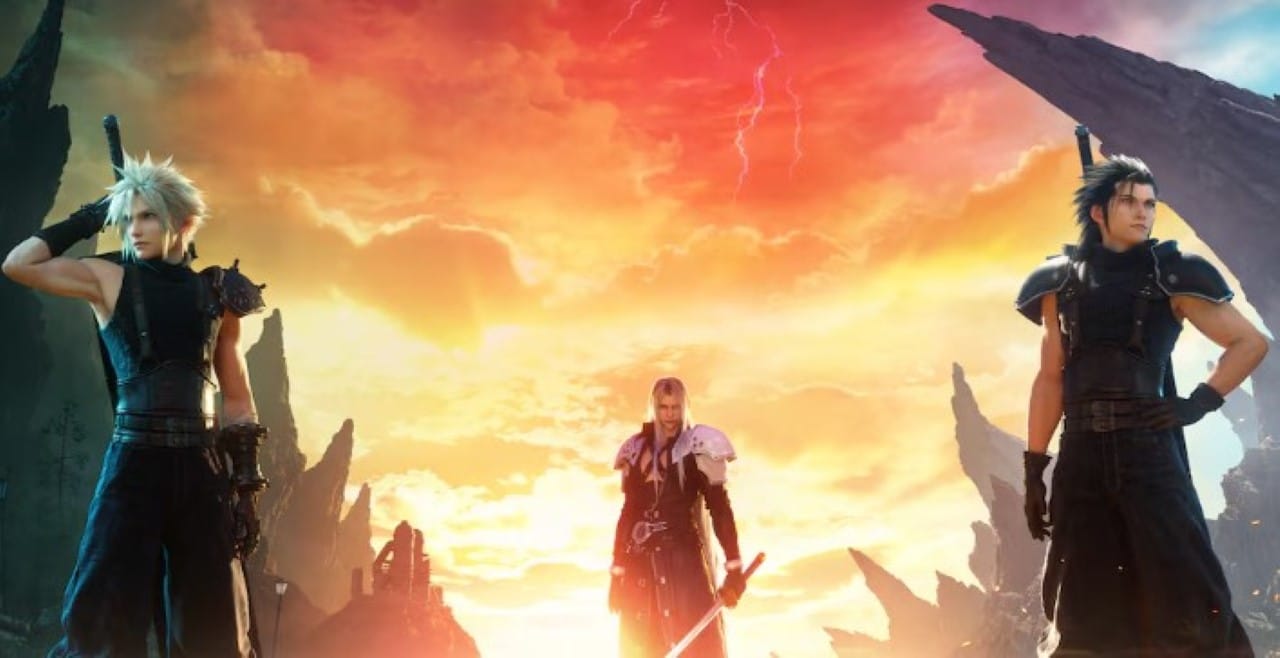
The Japanese developer made a drastic change in the distribution script for its most emblematic saga, aiming to expand the audience reach from the first day of release. The strategic decision confirms that the third and final chapter of the project to recreate the adventure of Cloud Strife will not be restricted to a single console ecosystem at the time of its arrival on the market, breaking with the temporary exclusivity model adopted in the two previous titles.
This new guideline marks a clear distinction from the company’s past strategies, which historically prioritized exclusive partnerships with the PlayStation brand for the main releases of this franchise. The change in course reflects an urgent need to maximize the financial return on the high costs of producing high-budget games, while ensuring the product is available to the largest possible installed base of players simultaneously.
New commercial strategy and audience expansion
The move is part of the company’s broader restructuring plan, known internally as “Square Enix Reboot”, which seeks to regain the profitability and global relevance of its intellectual properties. By eliminating platform barriers, the developer hopes to revitalize interest in the brand and correct sales numbers that, in previous releases, fell below initial projections due to the limited hardware available to consumers.
Decisive factors drive this corporate and financial strategy review:
– Necessidade imperative to quickly recover production costs that increase with each development cycle.
– Expansão accelerated and profitable computer games market via global digital stores.
– Estagnação relative installed base of specific consoles in certain key geographic regions.
– Pressão from shareholders for more consistent and predictable financial results in the short term.
Technical aspects and team continuity
The development of the final part is progressing at an accelerated pace, directly benefiting from the maintenance of the creative and technical team that worked on previous games. The retention of key names in direction, combat design and script ensures vital artistic and gameplay consistency for a work divided into three complex acts.
The continued use of Unreal Engine makes it easier to adapt the code to different hardware architectures, making the porting process less onerous than in the past. With the technological base already established and optimized in previous titles, engineering can focus on polishing and implementing specific features for each platform, such as upscaling technologies on PC and fast loading on new generation consoles.
Future of storytelling and impact on the market
From a narrative point of view, the third game promises to resolve the loose ends left on purpose and connect the events of the project to the timeline of the film Advent Children. The creative freedom exercised thus far indicates that, although the overall structure follows the 1997 classic, the path to completion may contain significant surprises for veterans and newcomers alike.
With the confirmation of the multiplatform strategy, the expectation is that the marketing of the final game will be massive and unified. Não there will be more mixed messages about where and when to play, simplifying communication and allowing the quality of the content to speak for itself, bringing the entire fanbase together in a single moment of global celebration.