
US raises tension with Iran by imposing nuclear ultimatum and strengthening military presence in the Middle East

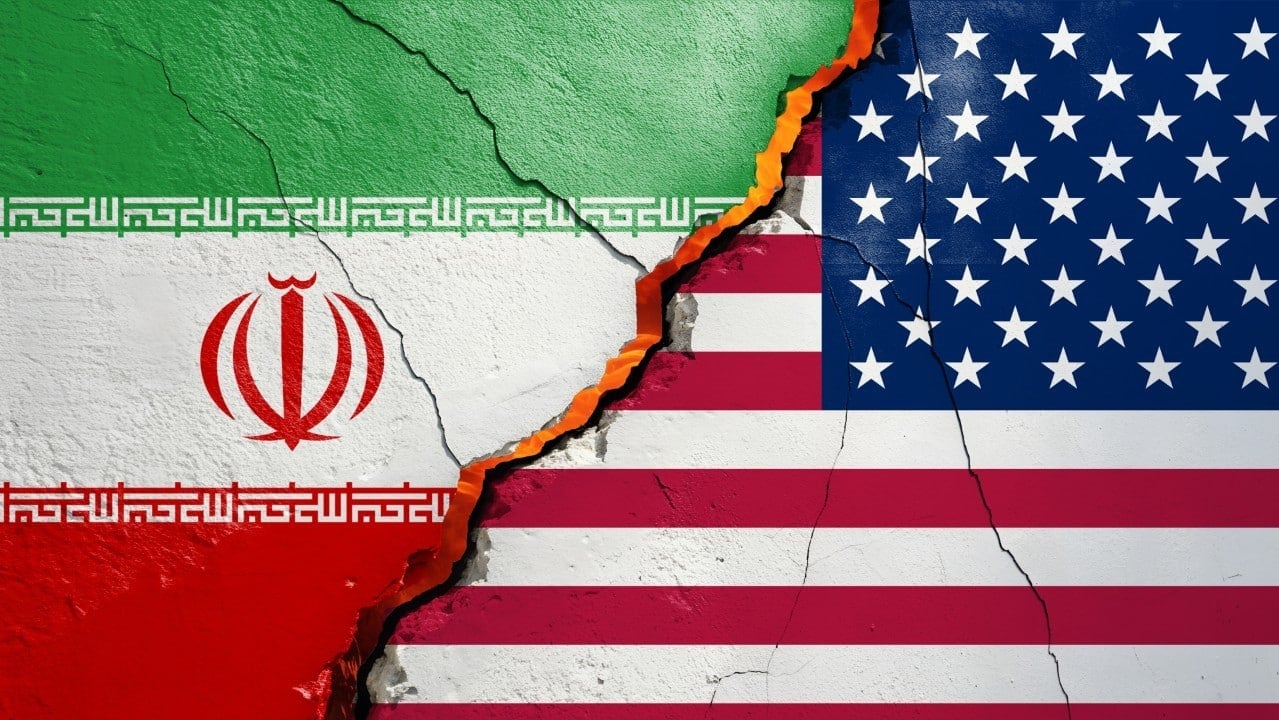
American officials have stepped up statements about Iran’s nuclear program in recent weeks. President Donald Trump has set a short deadline for Teerã to accept restrictions on its atomic development, ballistic missiles and support for armed groups in the region.
This stance arises in a context of stagnant negotiations, where the Estados Unidos seek an agreement that limits Iranian capabilities. Analistas observe that the reinforcement of troops and military equipment in the Oriente Médio area reflects a strategy of pressure combined with diplomacy.
The global economic impacts are already manifesting themselves, with variations in oil prices due to instability in the Estreito of Ormuz. Países neighbors are closely monitoring the movements, while the international community calls for dialogue to avoid escalation.
Presidential ultimatum raises regional alert
The deadline imposed by Trump represents an aggressive negotiation tactic adopted by the American administration. Fontes of the government indicate that the 10 to 15 day period serves to force quick concessions from Irã. Essa approach differs from previous negotiations, which allowed more time for multilateral discussions.
The Iranian response included joint military exercises with allies, demonstrating defense capabilities. Autoridades in Teerã state that any aggression will receive proportional retaliation, as communicated to Conselho of Segurança of the UN.
American naval mobilization in the Mediterrâneo
The Estados Unidos moved a second aircraft carrier to waters close to the Oriente Médio, expanding its operational capacity. Essa movement includes additional aircraft and defense systems, positioned for rapid responses. Pentágono justifies actions as preventive measures in the face of regional threats.
Defense experts point out that this configuration allows for coordinated air and naval operations. The enhanced presence also serves to deter Iranian actions on vital trade routes.

Iranian exercises test strategic defenses
The Irã carried out maneuvers with live ammunition in the Estreito of Ormuz, involving naval and air forces. Essas activities demonstrate readiness to protect national interests, including the flow of oil. Parceiros and Rússia participated, strengthening military alliances.
The simulations included defense scenarios against invasions, with a focus on anti-aircraft systems. Observadores internationals note that such exercises increase the risk of accidental incidents in high tension areas.
Military preparations indicate readiness by March
Senior American officials received warnings about the full mobilization of forces by mid-March. Essa preparation covers logistics and intelligence, ensuring options for executive command. The Departamento of Defesa coordinates with regional allies to align strategies.
The integration of air and naval resources reflects detailed planning. Relatos indicate that dozens of potential targets have been identified, prioritizing nuclear and military installations.
Global economic impacts of the tension
Financial markets reacted to the escalation with increases in oil prices. Investidores monitor betting platforms that show increasing odds of confrontation. Economistas predict effects on global supply chains, affecting energy costs.
Countries dependent on oil imports adjust inflationary projections. Medidas how diversification of energy sources gains priority on government agendas.
Regional alliances influence dynamics
The Irã maintains ties with armed groups in the Oriente Médio, complicating negotiations. Os Estados Unidos demand the end of support for these entities as a condition for agreements. Israel and Arab allies support the American position, pushing for joint actions.
Parallel dialogues involve European mediators, seeking points of convergence. Iranian resistance to limitations on ballistic missiles remains a central obstacle.
International reactions to American pressure
União Europeia expressed concern about the ultimatum, defending open diplomatic channels. Representantes of the UN call for moderation to avoid regional destabilization. Países Asians, like China and Índia, see impacts on their oil-dependent economies.
Emergency meetings at international forums discuss additional sanctions. The global community emphasizes the need for independent checks on Iranian nuclear facilities.
Iranian defensive capabilities in focus
The Irã’s air defense systems have been upgraded in recent years, including Russian technology. Essas improvements aim to neutralize potential aerial threats. Exercícios recent tests have tested integration of radars and surface-to-air missiles.
Iranian naval forces practiced blockades of sea routes. Analistas assess that such capabilities increase the costs of any external offensive operation.
Diplomatic strategies at play
The Estados Unidos combine threats with offers of dialogue, seeking a broad agreement. Negociadores Americans propose economic relief in exchange for nuclear concessions. Irã conditions progress on the removal of previously imposed sanctions.
Virtual and in-person meetings continue despite the heightened rhetoric. Mediadores neutrals facilitate communications to reduce misunderstandings.
American air presence in Jordânia
Satellite images reveal F-35 fighters and electronic warfare aircraft at Jordanian bases. Essa concentration supports operations in Oriente Médio. US Força Aérea coordinates with local partners for maintenance and logistics.
These assets enable air superiority in hypothetical scenarios. Treinamentos sets enhance interoperability between allied forces.
Risks of unintentional escalation
Maritime incidents in the Golfo Pérsico increase chances of accidental clashes. Navios commercials report increased surveillance in international waters. Autoridades naval ships issue alerts for safe navigation.
De-escalation measures include direct communications between military commands. Protocolos established aim to prevent operational misunderstandings.
Implications for global trade
The Estreito of Ormuz transports a large volume of the world’s oil, making it a critical point. Qualquer interruption would affect energy prices and supplies. Seguradoras adjust premiums for routes in the region.
Importing countries seek strategic reserves to mitigate risks. Diversificação of suppliers gains urgency in national strategies.
Positions of European allies
França and Alemanha advocate a return to the 2015 nuclear agreement as a basis. Diplomatas Europeans engage both sides to revive negotiations. Sanções coordinates remain in force until concrete progress is made.
Meetings in Viena continue, focusing on IAEA inspections. Slow Progressos reflects disagreements about scope and deadlines.
Iranian missile development
The Irã ballistic missile program advances, with regular extended-range tests. Esses armaments worry neighbors and Western powers. Limitações proposals include restrictions on exports and developments.
Irã defends the program as an essential defense. Debates international organizations question distinctions between civil and military uses.
Monitoring of nuclear facilities
Agência Internacional of Energia Atômica reports uranium enrichment above agreed levels. Inspeções faces restrictions imposed by Teerã. Relatórios journals highlight advances in advanced centrifuges.
Signatory countries are pushing for full transparency. Medidas independent verification forms a central part of American demands.
Additional troop movements
The US sent ground reinforcements to bases in Golfo. Essas units include infantry and logistical support. Coordenação with Kuwait and Arábia Saudita strengthens defensive positions.
Training simulates prolonged conflict scenarios. Equipamentos specialists arrive via military air transport.
Iranian economic responses
Irã diversifies commercial partnerships to circumvent sanctions. Acordos with Ásia and Rússia mitigate economic impacts. Internal Inflação challenges the government, with sporadic protests.
Internal fiscal measures seek stability. Exportações of oil via alternative routes supports revenues.
Role of Rússia in maneuvers
Joint exercises with Rússia include naval simulations on Golfo. Transferências of technology strengthens Iranian capabilities. Moscou provides diplomatic support in international forums.
Strategic alliances counterbalance Western pressures. Cooperação in energy and defense deepens bilateral ties.
Perspectives for future negotiations
Indirect dialogues continue, with proposals for high-level meetings. The US insists on short deadlines for decisions. Irã seeks assurances against unilateral actions.
Omani mediators facilitate confidential communications. Progressos depend on mutual concessions at key points.
Electronic warfare systems in action
American E/A-18G aircraft operate in the region, capable of interfering with enemy communications. Essas platforms support offensive operations. Integração with stealth fighters increases effectiveness.
Training tests defense suppression scenarios. Capacidades cybernetics complement conventional military efforts.



