
BYD announces recall of almost 100,000 hybrid sedans due to steering defects and fire risk


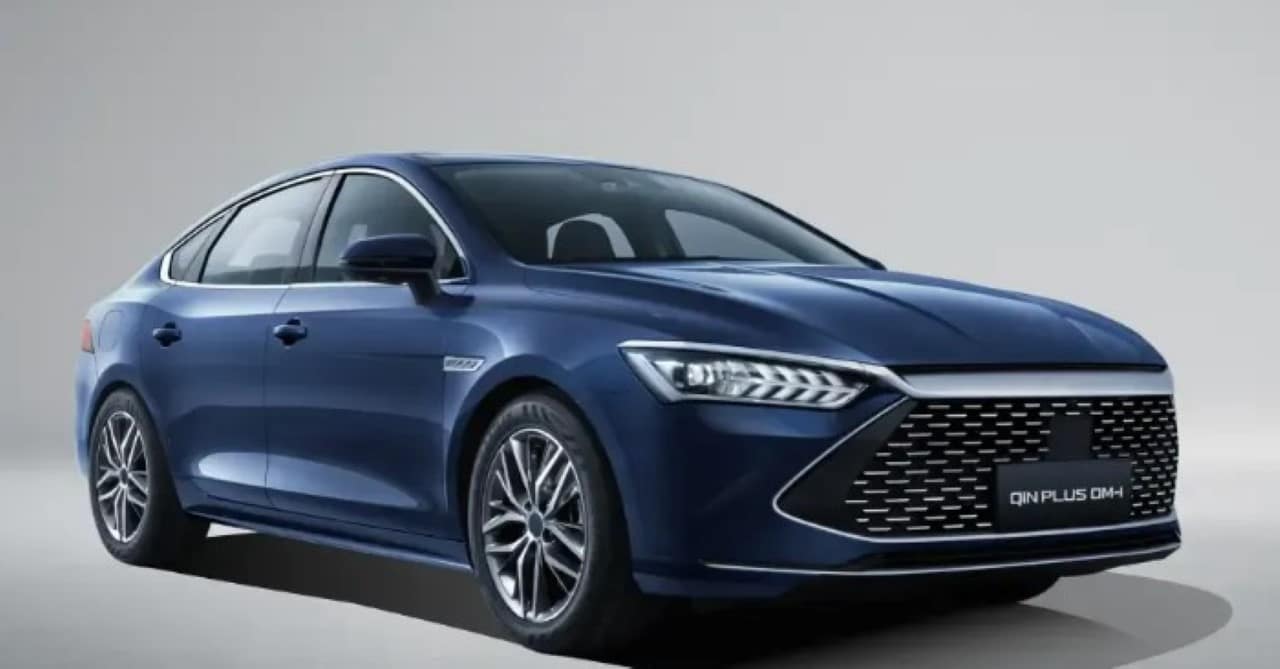
The Chinese automotive giant has initiated a large-scale safety protocol involving one of its best-selling sedans in the “Dynasty” line. The operation, coordinated together with regulatory authorities in the Asian market, aims to correct a specific technical flaw identified in the manufacturing process of electronic components. The movement covers a total of 96,714 units produced between the beginning of 2021 and the end of 2023, demonstrating the brand’s commitment to mitigating physical risks to passengers and ensuring the integrity of driving systems.
The focus of the campaign is the Qin Plus DM-i model, a sales pillar for the automaker in the Asian market and fundamental to the company’s aggressive growth in the electrified sector. Relatórios officials submitted to the authorities indicate that preventive action is necessary to adapt vehicles to international quality standards, avoiding failures that could compromise road safety.
Technical details of the failure and risks to drivers
Technical investigations conducted by the company’s engineers indicated that the origin of the problem lies in the Direção Assistida Elétrica (EPS) controller. Durante assembly of circuit modules, production machinery may have caused microscopic damage to sensitive components. Análises Detailed details revealed the presence of microcracks in the capacitors installed on the steering control circuit boards.
Although the flaw is not visible to the naked eye, continuous use of the car and exposure to natural variations in temperature and vibration can expand these cracks. The main risk identified is the infiltration of moisture into these openings, which compromises the electrical insulation of the system.
The experts’ biggest concern is the possibility of internal short circuits in the control module resulting from this infiltration. The consequences of this scenario range from the sudden loss of steering assistance, making the steering wheel “heavy”, to more serious thermal events. In extreme situations, a short circuit can cause components to overheat, increasing the risk of fire in the engine compartment.
Repair protocol and solution adopted
To address the vulnerability without having to replace the entire steering column, the automaker developed an optimized repair procedure. The service will be completely free for owners and aims to minimize vehicle downtime. The technical intervention consists of installing specific insulators on the affected controllers, following strict steps:
- Installation of thermal and electrical insulation pads on steering controllers.
- Physical verification of the integrity of capacitors and adjacent circuits to rule out previous damage.
- Software update to recalibrate the EPS system after repair, if necessary.
- Carrying out road tests to ensure there are no remaining alerts on the instrument panel.
The dealership network is already being supplied with the necessary repair kits to meet demand. The recommendation for owners waiting for an appointment is to pay attention to any warning lights on the dashboard, especially those related to the steering system or engine temperature. Caso notice anomalies such as a burning smell or sudden stiffness in the steering wheel, the advice is to stop using the vehicle in a safe place and contact technical assistance immediately.
Impact on the market and relevance of the model
The Qin Plus DM-i, the target of this recall, belongs to the line that pays homage to Chinese dynasties and is recognized for its high energy efficiency, competing directly with traditional combustion models from Western and Japanese manufacturers. Although the volume of almost 97 thousand vehicles seems high, market analysts note that the number represents a manageable fraction given the company’s current production capacity, which records hundreds of thousands of monthly sales.
Transparency in conducting this process is seen as a test of maturity for the manufacturer, which seeks to consolidate its presence in demanding markets such as Europa and Américas. The ability to track faults, admit errors and perform quick repairs becomes as crucial as the technological innovation of your battery or hybrid platforms. The financial market reacted with stability, interpreting the proactive action as an indication of robust quality control and corporate responsibility processes.



