
Magnetic resonance imaging shows changes in the shoulder in almost all adults over 40 years of age

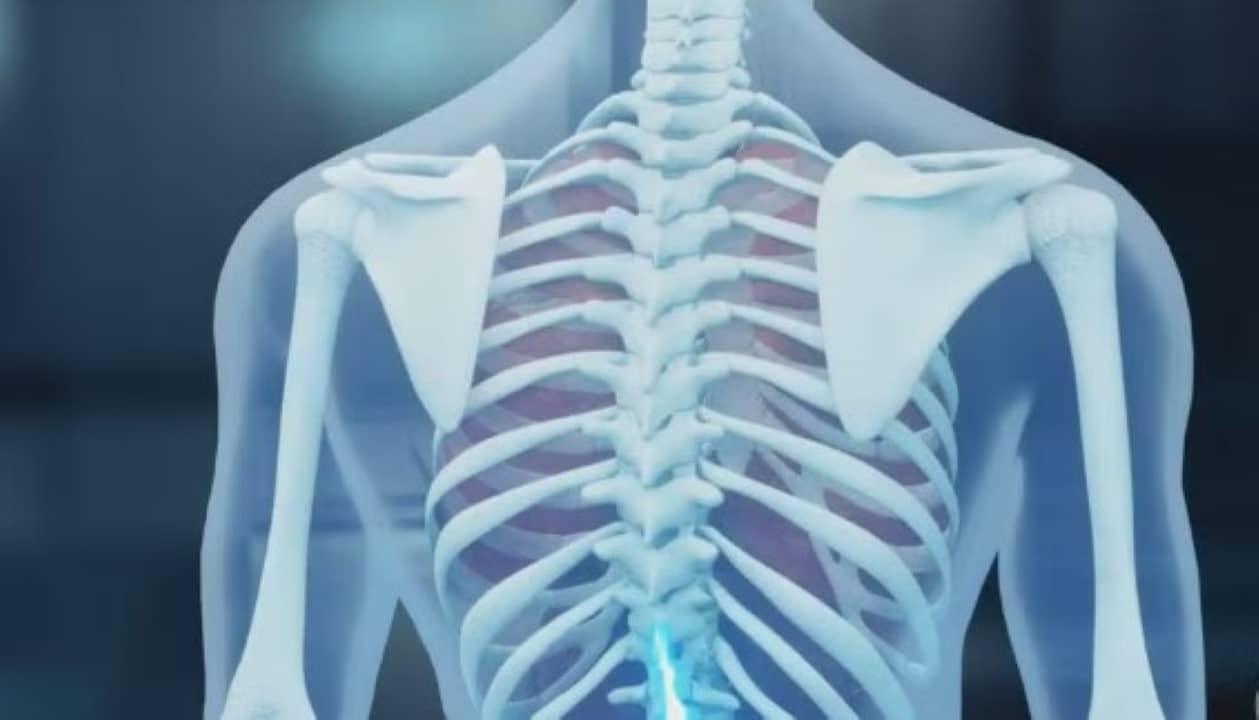
A population analysis carried out at Finlândia brought revealing data on the joint health of mature individuals. When examining 602 adults aged between 41 and 76 years, researchers identified that 98.7% of participants had some type of rotator cuff anomaly. Essa structure, made up of muscles and tendons essential for arm mobility, often shows wear and tear that may or may not be associated with pain.
Prevalence in asymptomatic patients
The survey included a representative sample of the general population, where the vast majority did not report any physical problems. Cerca 82% of participants did not mention shoulder symptoms, while only 18% reported any discomfort. Mesmo among the pain-free group, high-precision images revealed structural changes in 96% of cases, which suggests a low direct correlation between visual findings on exams and the clinical presence of limitations or physical suffering.
The anomalies detected varied in severity and type. Tendinopathy was observed in 25% of cases, while partial ruptures appeared in 62% and complete ruptures in 11% of those evaluated. The distribution of these lesions was statistically similar between men and women, indicating that gender is not a determining factor in the appearance of these degenerative conditions.
Impact of natural aging
The data indicate that the frequency and severity of changes progressively increase as age advances. Nos participants under 45 years of age, complete tendon ruptures were not recorded. On the other hand, in the group between 70 and 76 years old, total rupture rates reached their highest values, reinforcing the theory that such findings reflect natural tissue aging processes, and not necessarily traumatic injuries that require immediate intervention.
Implications for medical diagnoses
The high incidence of changes in people without complaints calls into question the routine of requesting MRIs for shoulder pain without a history of trauma. The discovery of incidental structural flaws can lead to misinterpretations about the real origin of the symptoms reported by patients. Especialistas warn that the language used in reports must be cautious to avoid suggesting seriousness in contexts that are merely degenerative.
Given this scenario, the recommendation is that doctors prioritize clinical history and detailed physical examination. Magnetic resonance imaging should serve as a complement in selected cases, where there is diagnostic doubt or surgical planning, avoiding aggressive treatments based only on images that can portray the natural wear and tear of the human body.
The study used 3 Tesla equipment to ensure maximum precision in the images captured. The research took place between February 2023 and April 2024, using the national public health cohort of Finlândia, and its results corroborate previous evidence about the need for caution when interpreting imaging exams in mature adults.



