

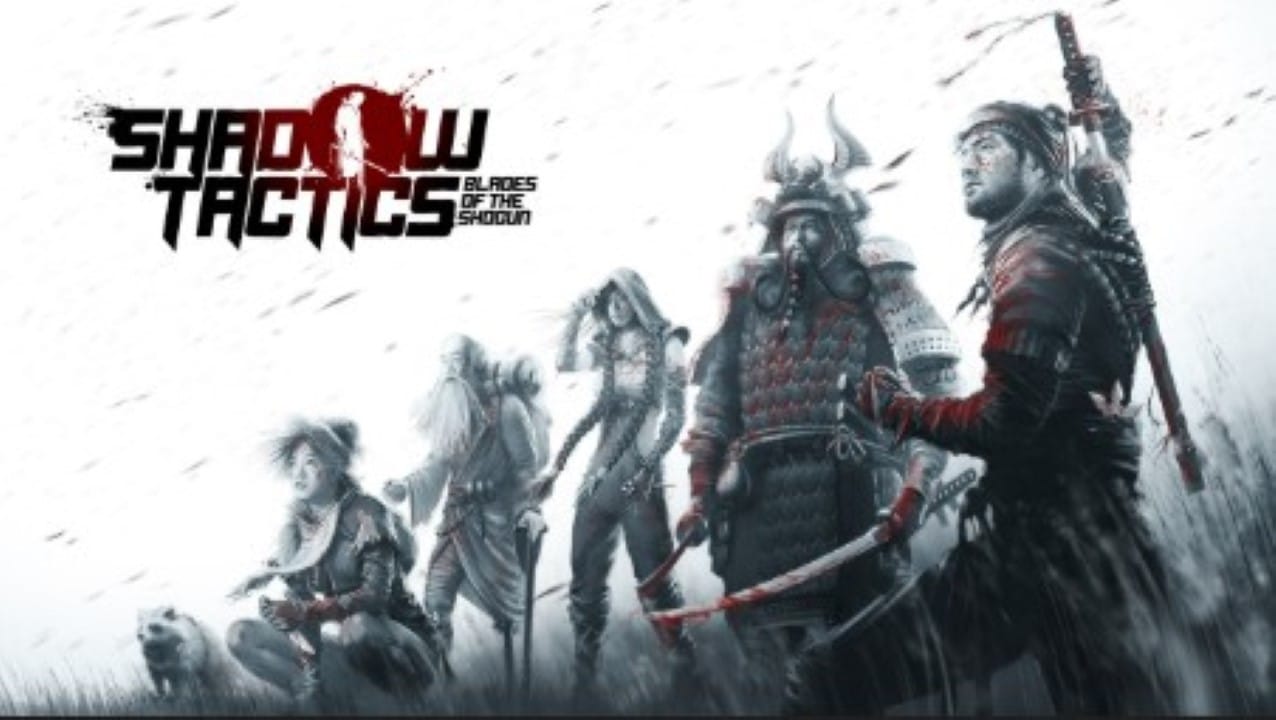
Sony Interactive Entertainment has initiated a process to remove digital licenses for the game Shadow Tactics: of software acquired through pricing errors.
The episode began when an inconsistency in the virtual store system allowed players to download the full version of the game free of charge. Embora the error was quickly corrected at the time, the licenses remained active in user accounts for around two months, allowing the game to be downloaded and run normally until the last week.
Automatic notifications were sent to affected players informing them of the transaction cancellation. The emails, which caused initial confusion, presented a refund receipt in the amount of R$0.00, formalizing the revocation of access to the product on the Sony platform.
Details of the technical failure in the store
The technical problem that led to the unintended distribution occurred shortly after the launch of the native version of the game for the new generation of consoles. The flaw was linked to the PlayStation Store upgrade and demonstration system, creating a loophole that was quickly shared on forums and discount groups.
To exploit the error, users needed to follow a specific sequence of steps within the digital store. The process involved manipulating demo versions and switching between editions of different generations of the console.
- The user searched for the title in the store and added the PS4 demo to the library.
- Then, access the product page for the PlayStation 5.
- The system mistakenly interpreted possession of the demo as the full license, allowing the free download.
Thousands of copies were rescued during the window of time in which the glitch remained active. Sony adjusted the price to the normal market range hours later, but did not immediately revoke the licenses, which led many to believe that the company would honor the “purchases” made during the error.
Community reaction and precedents
The decision to remove the game from libraries months after the fact generated mixed reactions in the gaming community. On platforms like Reddit and ResetEra, users expressed surprise not at the fix itself, but at the length of time that elapsed between the error and the punitive action. Muitos reports indicate that several players had already completed the game’s main campaign and even obtained platinum before losing access.
The gaming industry does not have a unified standard for dealing with pricing errors in digital stores. Enquanto some companies choose to assume the loss and keep the licenses as a gesture of goodwill, others act quickly to cancel the transactions. The case of Shadow Tactics draws attention due to the delay in executing the revocation, creating a false sense of definitive possession among consumers.
Comparisons were drawn with previous situations on the PlayStation Store itself and on other competing platforms. In past incidents involving big-budget titles, such as Cyberpunk 2077, there have been cases where licenses were maintained after similar failures, although each situation has different contractual specifics between the publisher and the platform owner.
Context about the game and the developer
Shadow Tactics: Blades of the Shogun is recognized as one of the leading modern exponents of the stealth-focused real-time strategy genre. Lançado originally in 2016, the game transports players to the Japão of the Edo period, where they control a team of specialists, including ninjas and samurai, to carry out espionage and sabotage missions against enemies of the
The work was developed by Mimimi Games, a German studio that announced the closure of its activities in 2024. The closure of the developer adds a layer of complexity to the preservation and access to the game, as there will be no new titles from the team. The PlayStation 5 version, targeted by the glitch, brought significant performance improvements, such as 4K resolution and rates of 60 frames per second, as well as reduced loading times.
Currently, the game is once again being sold at full price in the Sony digital store. Jogadores who wish to continue their progression or revisit the title must purchase the official license. The episode serves as a reminder of the volatile nature of digital licenses, where access to content remains ultimately under the control of the distributing platform.



