
Square Enix updates Final Fantasy 7 on Steam with new features and changes save compatibility

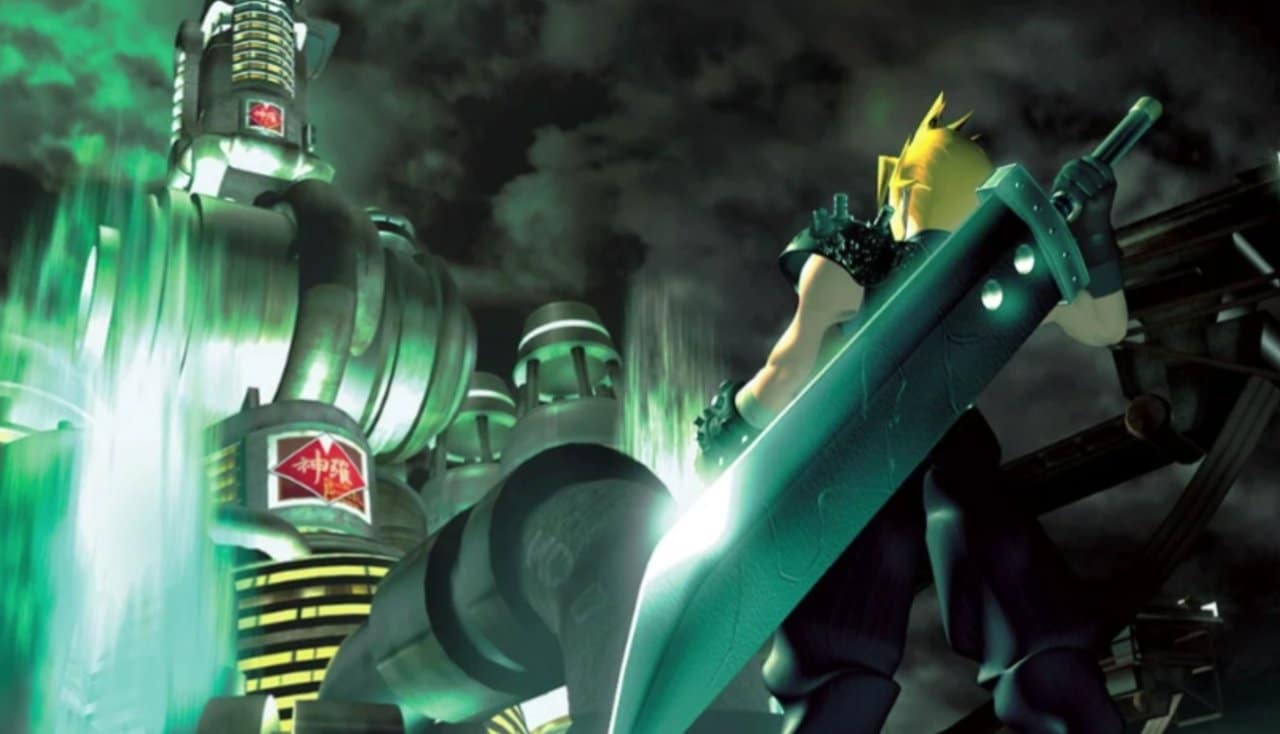
The Valve digital store underwent a significant change this week involving one of the most influential RPGs in video game history. The Japanese developer responsible for the franchise decided to remove the 2013 version from the catalog to make way for a modernized edition, aiming to attract both new audiences and veterans of the series.
Users looking to purchase the title from now on will only find the new version available on the sales platform. Quem already owned the game and will maintain access to the old library, but the automatic update to the new format brings an important technical caveat that directly impacts the progress of the game.
The main confirmed change involves the structure of player progress files. The transition to the recently released edition prevents the use of old saves, forcing the campaign to be restarted for those who opt for immediate migration, a decision that prioritizes the stability of the new code over continuity.
Technical improvements and features of the new edition
The update seeks to align the 1997 classic with the usability standards expected by current PC consumers. The initiative aims to correct stability issues that affected the previous version and introduce features that make it easier to explore the game’s vast world without the technical limitations of past decades, offering a more fluid experience.
Among the new features implemented by the development team to revitalize the user experience, the following stand out:
- Native support for higher screen resolutions;
- Improved integration with the platform’s achievement system;
- Speed boost options for battles and exploration;
- Possibility to disable random encounters during the journey.
Community impact and digital preservation
The incompatibility of save files sparked immediate debates on forums and social networks dedicated to the franchise. Jogadores who were in the middle of their campaigns in the 2013 version now face the dilemma of continuing with the old edition, which will no longer receive support or corrections, or restarting dozens of hours of progress to take advantage of the graphical and quality of life improvements offered by the new package made available by the publisher.
Industry experts point out that this move reflects a growing trend of studios reviewing their legacy catalogs to ensure compatibility with modern hardware. Replacing executable files and changing product IDs in digital stores raises questions about preserving the original experience, although maintaining access for former buyers alleviates some of the criticism aimed at the historical conservation of the software.
Franchise update history on PC
The trajectory of the seventh chapter of the saga on computers has been marked by multiple iterations since the late 90s. The original 1998 release was a technical milestone, but suffered from compatibility problems over the years until the arrival of the digital version in 2012, which served as the basis for the now discontinued 2013 edition.
The company’s current strategy reinforces its commitment to keeping its intellectual properties profitable and accessible for new generations. Unifying the code base facilitates future updates and ensures that the product works properly on modern operating systems, such as Windows 11, without the need for external fan-made modifications to fix visual or audio bugs.
This revamp comes at a time where interest in the brand remains high, driven by ongoing remake projects. The availability of a definitive and stable version of the original game serves as an accessible gateway for those who want to know the origin of the narrative before venturing into contemporary reimaginings that alter the base story.



