
2026 World Cup album exceeds 900 stickers and promises historic record in pages and collectibles for fans By Jeronimo Santos
6 min read
 |
The Copa of the Mundo of 2026, scheduled to take place between June and July in the Estados Unidos, México and Canadá, introduces a series of significant changes to the tournament format. With 48 participating teams, the event expands the number of games to 104, distributed across 16 host cities, which represents a significant increase compared to previous editions.
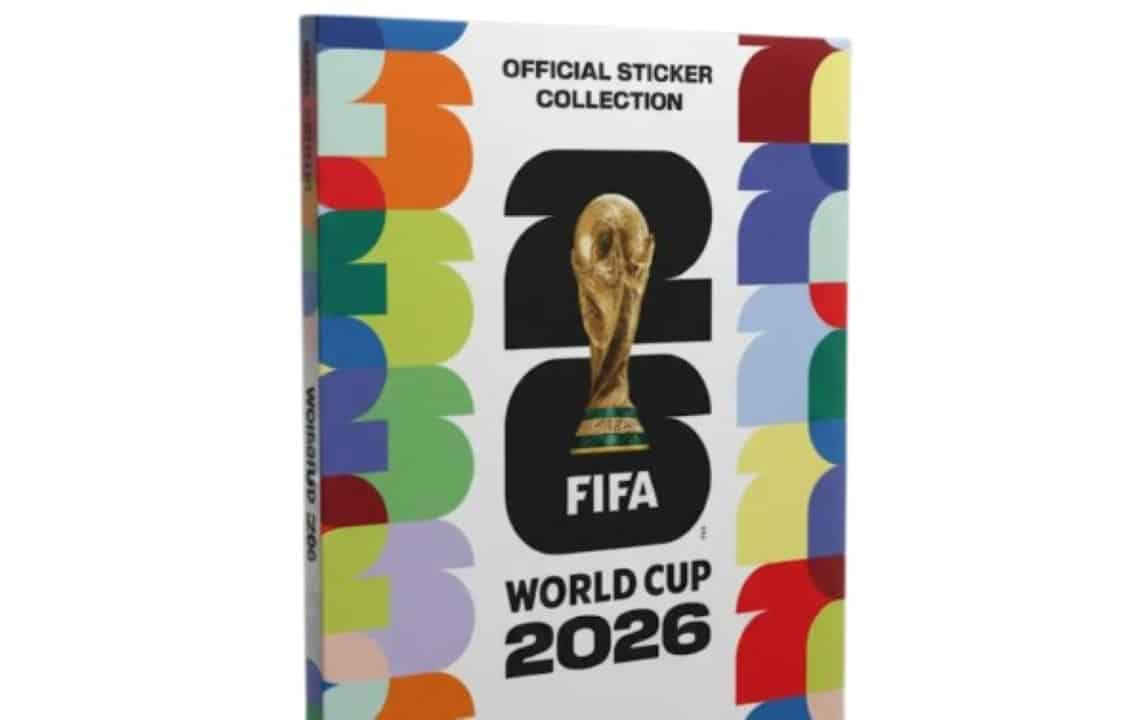
The official sticker album, produced by Panini, reflects this expansion by becoming the largest in history, with 112 pages and 980 collectible stickers. Essa configuration allows the inclusion of more details about teams, stadiums and symbolic elements of world football.
The sticker packs are also undergoing adjustments, now containing seven items each, priced at R$7, which keeps the cost per unit close to that of previous years. Essa strategy aims to balance collectors’ access given the greater volume of content.
New features in selection configuration
Each of the 48 teams receives space for 20 players in the album, ensuring balanced representation of the classified teams. Essa distribution makes it easy to collect favorite teams, while extra stickers cover topics such as the official ball and historical trophies.
Collectors can look forward to sections dedicated to the host cities’ stadiums, which highlight the infrastructure prepared for the tournament. Essas additions enrich the experience, connecting the album to the geographic context of the competition.
Details about the themed covers
The 2026 edition features two cover versions, one paying homage to Estados Unidos and Canadá with white and colored tones on the sides, and another dedicated to México with specific cultural elements. Essa variation caters to local and international markets, promoting a visual connection with hosts.
The design incorporates classic icons, such as the image of Carlo Parola on a bicycle kick, maintaining the visual tradition of previous albums. Essa continuity preserves nostalgic appeal for longtime fans.

Prices and options available for purchase
Pre-sale kits include options such as Iniciante, Campeão and Colecionador, with prices between R$97 and R$199, depending on the package chosen. Cada kit offers albums and starter packs, making it easier to start a collection for different consumer profiles.
These alternatives aim to suit both beginners and experienced enthusiasts, with benefits such as limited editions on some packages. The commercial strategy seeks to maximize reach, especially in markets such as Brazil, where the tradition of collecting is strong.
Comparison with past editions
In 2022, the album had 670 stickers and around 90 pages, reflecting the format with 32 selections. The expansion to 48 teams in 2026 justifies the increase to 980 stickers, adapting the product to the new scope of the tournament.
This evolution follows the growth of Copa from Mundo, which historically influences album design. For example, previous editions already incorporated changes such as the inclusion of more nations, but never on such a broad scale as now.
The adjustments to the packages, from five to seven stickers, respond to demands for greater collection efficiency. Colecionadores report that this change reduces the time needed to complete the album, although it requires financial planning.
Chronology of album production by Panini
Panini began its partnership with Fifa in 1970, releasing the first official album for Copa on México, with 271 stickers. Over the decades, the product has evolved, incorporating technologies such as self-adhesive stickers and special editions.
In the 1980s, the albums gained global popularity, with million-dollar circulations and the inclusion of iconic players. Essa phase consolidated the album as a cultural item, transcending sport to become part of the collective memory.
The 2000s brought digital innovations, such as complementary apps for virtually exchanging stickers. Essas modern tools coexist with the physical version, expanding engagement between generations.
The 2018 edition, with 682 stickers, marked the peak so far, but 2026 surpasses this with a focus on the diversity of the selections. Essa progression reflects Panini’s commitment to aligning the product with football’s transformations.
Special elements and rare collectibles
Special stickers include representations of stadiums such as MetLife Stadium in Nova Jersey and Estádio Azteca in México, highlighting the unique architecture of each venue. Essas pieces add educational value by informing about tournament logistics.
Other stickers focus on the official ball and the Copa trophy, with historical details that contextualize the evolution of sports equipment. Colecionadores value these items for their rarity and connection to memorable football moments.
Distribution and launch logistics
The album should hit newsstands in the second half of April 2026, with pre-sales possibly starting in March, according to patterns observed in previous editions. Essa schedule allows fans to prepare before the tournament begins in June.
Distribution in Brasil prioritizes newsstands and specialized stores, ensuring wide availability. Estratégias logistics include international shipments to serve markets such as Europe and Asia, where demand for Fifa products is growing.
Cultural traditions associated with collecting
At Brasil, collecting Copa stickers mobilizes families and groups of friends, encouraging exchanges in squares and schools. Essa social practice reinforces community ties, transforming the album into a tool for interaction beyond consumption.
Globally, the phenomenon is repeated in countries such as Argentina and Itália, where past editions generated record sales. The 2026 edition, with its expanded size, can intensify this dynamic, encouraging organized events for exchanges.
Alerts about irregular practices in the market
Consumers should check official websites to avoid fake websites that promise non-existent pre-sales, protecting personal and financial data. Autoridades recommend purchases only from verified channels, such as the Panini portal.
These incidents highlight the need for awareness, especially during periods of high demand such as pre-launch of sporting goods. Relatos of frauds on social networks reinforce the importance of checking authenticity before any transaction.
Tournament preparations and album connections
The 48 teams qualify through continental qualifiers, with additional places for confederations such as Uefa and Conmebol. The album captures this diversity, including emerging teams that bring new narratives to world football.
Host cities prepare infrastructure to receive millions of visitors, focusing on transportation and security. The album complements this preparation by offering visuals that anticipate the atmosphere of the games.
Strategies to complete the collection efficiently
Savvy collectors organize swap groups to minimize costs by sharing duplicates and seeking out rare items. Dedicated Aplicativos facilitate this process, connecting users from different regions.
Keeping an updated record of the stickers obtained helps prioritize purchases, avoiding unnecessary expenses. Essa systematic approach transforms collection into a strategic activity, improving the overall experience.
Economic evolution of the sticker market
The sports collectibles sector generates billions annually, with Panini leading the football segment. The 2026 edition could drive record sales, benefiting local economies through distribution and retail.
Factors such as inflation and exchange rates influence prices, but adjustments such as the increase in the number of stickers per package maintain attractiveness. Analistas foresee sustained growth, driven by the global expansion of sport.
Representation of featured players and teams
Selections like Brasil and Argentina are highlighted with stickers of stars like Vinicius Junior and Lionel Messi, capturing moments of recent glory. Essas pieces celebrate individual trajectories within the collective context.
Debut teams add freshness, with stickers that introduce new talents to the public. Essa inclusion promotes the globalization of football, expanding interest beyond traditional powers.
Headquarters infrastructure and its impact on the album
Stadiums like SoFi Stadium at Los Angeles and BC Place at Vancouver are illustrated with architectural details, informing capacity and innovations. Essas stickers serve as a visual guide for fans.
The Estádio Azteca, with its history in previous Copas, gains special emphasis, connecting past and present. Essa approach enriches the album, making it an informative resource about the event.
Perspectives for beginning collectors
Beginners benefit from starter kits, which include album and starter packs for an affordable start. Orientar using online guides helps you understand the structure, maximizing the pleasure of collecting.
Participating in virtual communities offers valuable tips, from identifying rarities to storage strategies. Essa community integration elevates the experience, making it more inclusive.











