55-year-old doctor dies attacked by shark after ignoring ban decree in Nouméa
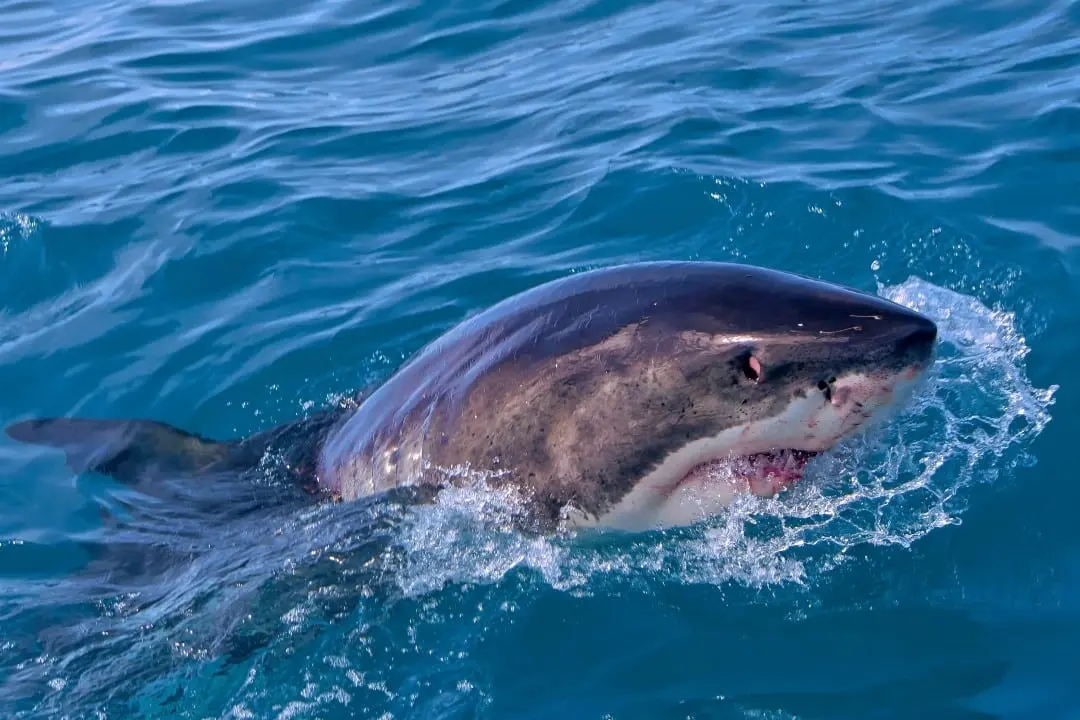
A 55-year-old Australian doctor lost his life in a shark attack while wing foiling on Baía of Anse Vata, in Nouméa, capital of Nova Caledônia. The incident occurred last Sunday, at around 5pm local time, despite a municipal decree that prohibited water activities outside protected areas. Local authorities confirmed that the victim suffered serious bites to the right forearm and legs, leading to fatal bleeding. Equipes rescuers found the body floating in a nearby lagoon, and the victim’s relatives, who were in the sand, witnessed the scene.
The decree in force until March 4 established a restriction zone of 300 meters from the coast for swimming and water sports, motivated by recent sightings of sharks in the region. Esse type of measure is common in areas with a history of incidents, and failure to comply with it directly contributed to the incident. Testemunhas reported that the doctor entered the water alone, ignoring the signs visible on the beach.
Marine biology experts point out that wing foiling, which involves inflatable boards and wings to glide over the water, can attract predators such as sharks due to the rapid movements and noise generated. In this case, teeth marks were found on the victim’s board, indicating a surprise attack. Nova Caledônia, a French territory in Pacífico Sul, has seen an increase in these events in recent years, which reinforces the need for strict adherence to safety rules.
Incident details reveal flaws in alerts
The attack took place in an area known for its natural beauty but also underwater dangers. The Baía of Anse Vata is popular with water sports enthusiasts, but the strong currents and proximity to coral reefs facilitate the presence of sharks. Autoridades reported that the doctor, identified as a health professional from Sydney who was on vacation in the region, was bitten multiple times before succumbing to his injuries.
Paramedics arrived at the scene within minutes, but the severity of the injuries made any effective intervention impossible. The hemorrhage caused by the bites reached main arteries, and the body was recovered by a maritime rescue team. Investigadores collected samples of the teeth marks to identify the species involved, although preliminary suspicion is that of a tiger shark or bull shark, common in those waters.
Restriction measures and their practical application
The municipal decree was issued after a series of shark sightings in previous weeks, aiming to protect swimmers and sportsmen. Essa ban covers not only swimming, but also sports such as surfing, kitesurfing and wing foiling, which require greater exposure to the open sea. Oficiais locals have intensified coastal patrols to monitor compliance, fining violators up to 500 euros.
Despite this, reports indicate that not all visitors respect the guidelines, especially foreign tourists unfamiliar with local risks. Campanhas educational materials distributed in hotels and airports warn about the dangers, including maps of safe zones equipped with anti-shark nets. The City of Nouméa plans to extend these restrictions if new incidents occur, prioritizing public safety.
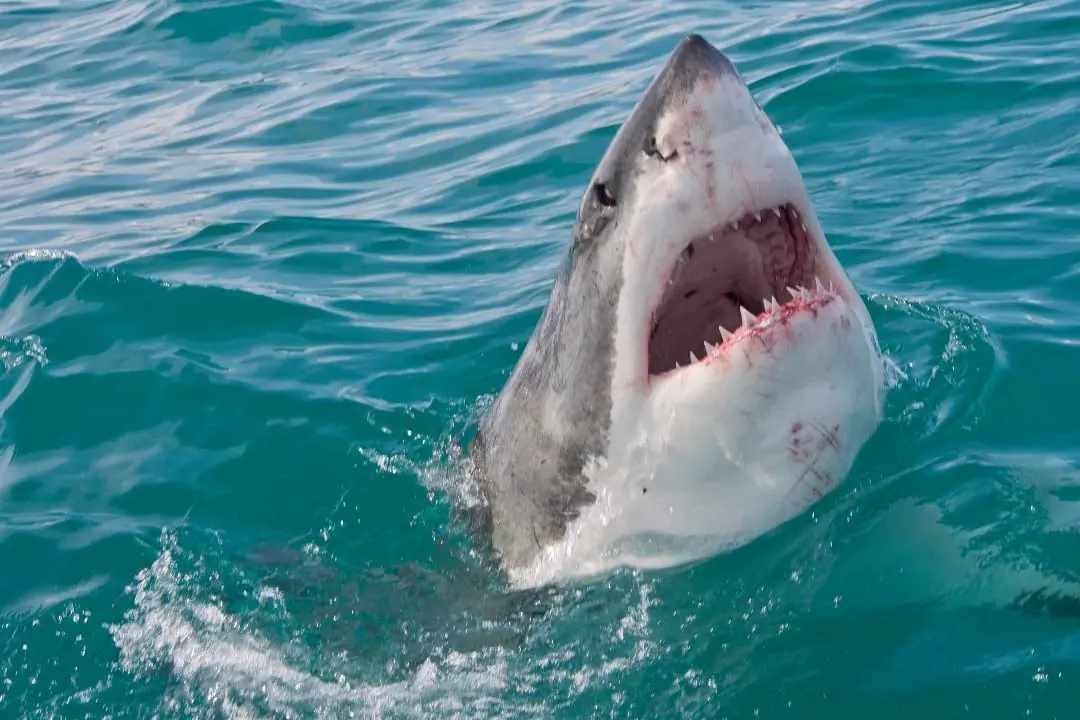
History of attacks in the Pacific region
Nova Caledônia has recorded 67 shark incidents between 1958 and 2020, resulting in 13 deaths, most involving underwater hunters or surfers. Esses numbers highlight the vulnerability of tropical coastal areas, where the marine ecosystem is rich in predators. In 2023, an Australian tourist was fatally injured on a nearby beach, which led to an increase in preventive measures.
Comparatively, regions such as Austrália and Havaí record similar rates, averaging 5 to 10 attacks per year. Fatores Environmental factors, such as warming ocean waters, contribute to the migration of sharks to shallow waters. Estudos indicate that the increase in global temperature increases the probability of encounters between humans and these animals by 15%.
Experts recommend the use of monitoring equipment, such as drones for aerial surveillance, which are already used on some beaches. Além Additionally, mobile apps provide real-time updates on marine conditions, helping to avoid risk zones.
Environmental causes behind the encounters
The Nova Caledônia ecosystem favors the presence of sharks due to the vast coral reefs, which serve as habitats for several species. Alterações climate change, including the El Niño phenomenon, changes current patterns and brings prey to coastal waters, attracting predators. Pesquisas show that in years with high temperatures, incidents increase by up to 20%, as observed in 2024 and 2025.
Human activity, such as overfishing, reduces sharks’ natural food, forcing them closer to frequented beaches. Medidas of conservation, such as the creation of marine reserves, aims to balance the ecosystem, reducing conflicts. Governos locations invest in monitoring programs that track shark movements via satellite, allowing for accurate warnings.
Coastal pollution also exacerbates the problem by degrading habitats and altering animal behaviors. Iniciativas beach cleaning and waste disposal control help mitigate these impacts, promoting a safer environment for everyone.
Immediate responses from authorities
After the incident, the city hall of Nouméa temporarily closed Baía of Anse Vata for investigations, with teams of biologists analyzing the site. Patrulhas were reinforced, and additional signs were installed to reinforce the prohibition. The territorial government announced a review of maritime safety policies, including partnerships with international organizations for lifeguard training.
Leia Também



Local communities expressed concern about tourism, which depends on beaches, but prioritized preventing new tragedies. Reuniões public meetings were scheduled to discuss improvements, such as the expansion of areas protected with nets. Esses efforts seek to balance leisure and safety, avoiding unnecessary losses.
Prevention and guidelines for athletes
Water sports practitioners should always check local decrees before entering the water, using official sources such as government websites. Equipamentos as sound repellents for sharks, which emit low-frequency waves, can be useful in risk areas. Treinamentos in first aid focused on hemorrhages is recommended for groups of athletes.
- Check maritime conditions via apps or official bulletins.
- Avoid murky waters or near rivers, where sharks hunt.
- Practice in groups and wear life jackets with tracking devices.
- Respect peak animal activity times, such as dawn and dusk.
These simple practices significantly reduce risks, according to data from regions with similar programs.
Impact on local tourism and economy
Tourism in Nova Caledônia represents 10% of GDP, with beaches like Anse Vata attracting thousands of visitors annually. Incidentes like this can affect the destination’s image, leading to reservation cancellations. Operadores tourists report a 5% drop in bookings after similar events in the past, which motivates investments in safe infrastructure.
Water sports companies adapt their operations, offering classes in protected lagoons and promoting responsible ecotourism. Parcerias with environmental NGOs educate tourists about the importance of marine conservation, transforming challenges into educational opportunities.
Global statistics compared
Globally, shark attacks result in about 80 incidents per year, with fewer than 10 fatal, according to international records. Nova Caledônia stands out from Pacífico Sul, but lags behind leaders like Flórida and Austrália. No Brasil, beaches in Pernambuco record high rates, with 82 attacks in 34 years, 27 fatal, due to similar factors such as environmental degradation.
Preventative measures, such as networks and drones, reduced incidents by 30% in monitored areas. Países invest in research to understand shark behaviors, aiming for peaceful coexistence.
Lessons from previous incidents
Past cases in the region reveal patterns, such as attacks in shallow waters during sports practices. In 2023, the death of a tourist in Nouméa led to campaigns that reduced incidents by 15%. Análises show that 70% of victims ignore warnings, highlighting the need for ongoing education.
Local indigenous communities, with traditional knowledge, contribute to strategies, identifying risk zones based on seasonal observations. Integração of these perspectives enriches public policies, promoting sustainable security.
Advances in monitoring technology
Technologies such as acoustic tags on sharks allow real-time tracking, alerting authorities via automated systems. Drones equipped with thermal cameras patrol coastlines, detecting underwater presences. Aplicativos connected to these systems notify users directly, preventing entry into dangerous waters.
Investments in AI analyze migration patterns, predicting risks with 85% accuracy. Esses advances, adopted in territories like Nova Caledônia, save lives and preserve ecosystems.
Consequences for the medical community
The death of a healthcare professional impacts colleagues and patients, highlighting travel risks. Associações doctors provide safety guidance in exotic destinations, including checking environmental alerts. Esse incident serves as a reminder to balance leisure and caution, avoiding irreparable losses.
The victim’s family members receive psychological support from the authorities, while investigations continue to refine protocols.