
Apple releases videos with a stopped car and integrates advanced artificial intelligence into the automotive system

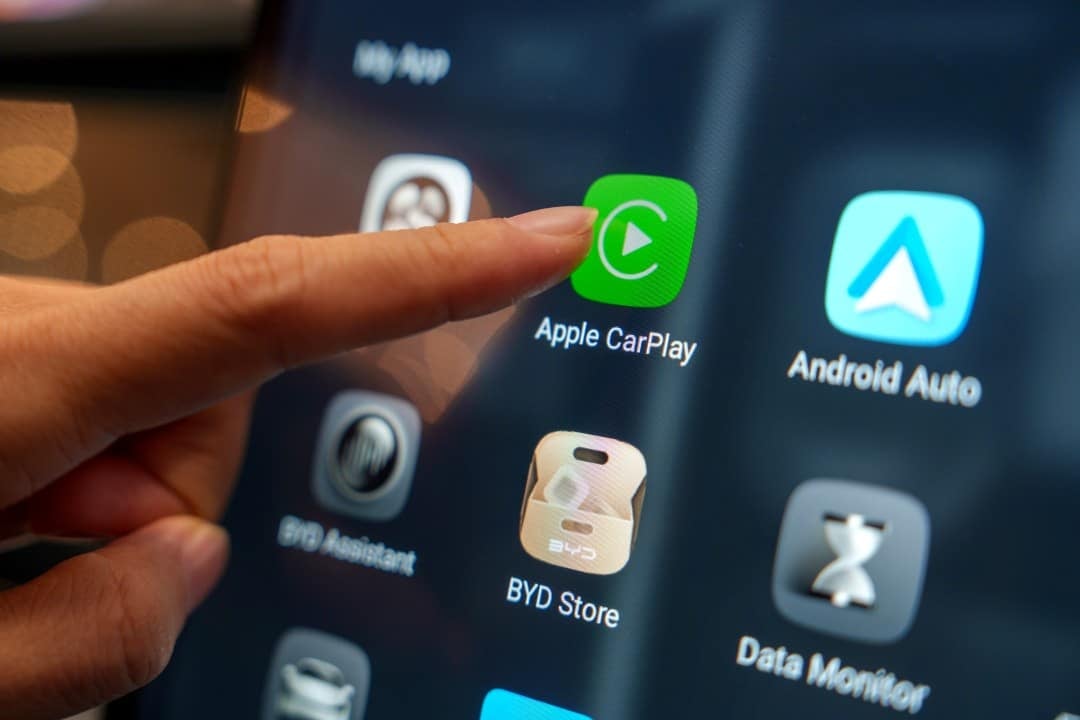
Apple has started distributing the test version of iOS 26.4, bringing significant changes to the automotive ecosystem that promise to transform the experience of drivers and passengers. The update focuses on expanding in-vehicle entertainment and productivity capabilities, allowing access to features that were previously restricted due to security concerns or software limitations. The system now enables video playback on the dashboard’s main screen, but with a fundamental restriction: it works exclusively when the car is completely stopped.
This new functionality uses AirPlay technology to mirror content from streaming and video applications directly from the iPhone to the vehicle’s console. The measure aims to meet a growing demand from users looking for leisure options while waiting in parking lots or while charging electric vehicles. Safety remains a central pillar, as integrated sensors block the display of moving images as soon as the vehicle starts moving, ensuring that the driver’s attention is not diverted.

In addition to visual entertainment, the technology giant has opened the doors of its automotive system to third-party artificial intelligence assistants. Plataformas renowned products such as ChatGPT from OpenAI, Gemini from Google and Claude from Anthropic can now be integrated into the car environment. Isso allows drivers to perform complex queries, generate texts or obtain detailed information through voice commands, without relying exclusively on the company’s native assistant.
The user interface has also received visual refinements, with the aim of making navigation more intuitive and less distracting. The design changes seek to harmonize the information displayed on the instrument panel with the central screen, creating a visual continuity that facilitates quick reading of essential data, such as GPS routes and communication notifications.
Secure entertainment and auto-lock
The video playback feature was designed to function as an extension of the home entertainment system, but adapted to the vehicular environment. Quando the car detects that it is in parking mode or with the handbrake applied, the interface releases the video signal. Testes Preliminaries indicate that the transition is instantaneous: when engaging gear to leave, the video is paused or replaced by audio only, allowing occupants to continue listening to the content without visual distraction.
Developers who had early access to the system’s code report that Apple implemented extra layers of verification to prevent fraud in the security system. Deep integration with the vehicle’s sensors ensures that the software differentiates between momentary stops at traffic lights and prolonged parking, avoiding unwanted activations in urban traffic.
Expanded integration with AI chatbots
Compatibility with external chatbots marks a paradigm shift in the company’s strategy, which traditionally maintained a closed ecosystem. With the new update, the driver can trigger competing virtual assistants for specific tasks that require greater natural language processing capacity. Interaction is primarily done by voice, keeping your hands on the steering wheel and your eyes on the road.
This functionality allows for advanced usage scenarios, such as asking artificial intelligence to summarize long news articles, planning complex tourist itineraries or even assisting with technical queries about the vehicle itself in real time. The response is processed in the cloud and delivered via audio through the car’s sound system, transforming the vehicle into a mobile productivity hub.
The openness to tools like Gemini and Claude demonstrates a recognition that users already utilize multiple AI platforms on their smartphones. By integrating these services natively into the dashboard, the experience becomes more fluid and secure, eliminating the need to use your cell phone to access these assistants during your journey.
Release and testing schedule
The beta version of iOS 26.4 is currently only available to registered developers and guests of the Apple testing program. The evaluation period serves to identify flaws, adjust compatibility with different automakers and refine the usability of new artificial intelligence tools.
Automotive sector experts predict that the final version of the software should reach the general public in the coming months, after the validation rounds are completed. The update will be free and compatible with iPhone models that support the current operating system, in addition to requiring vehicles with wireless or wired CarPlay support for most of the new functions.




