

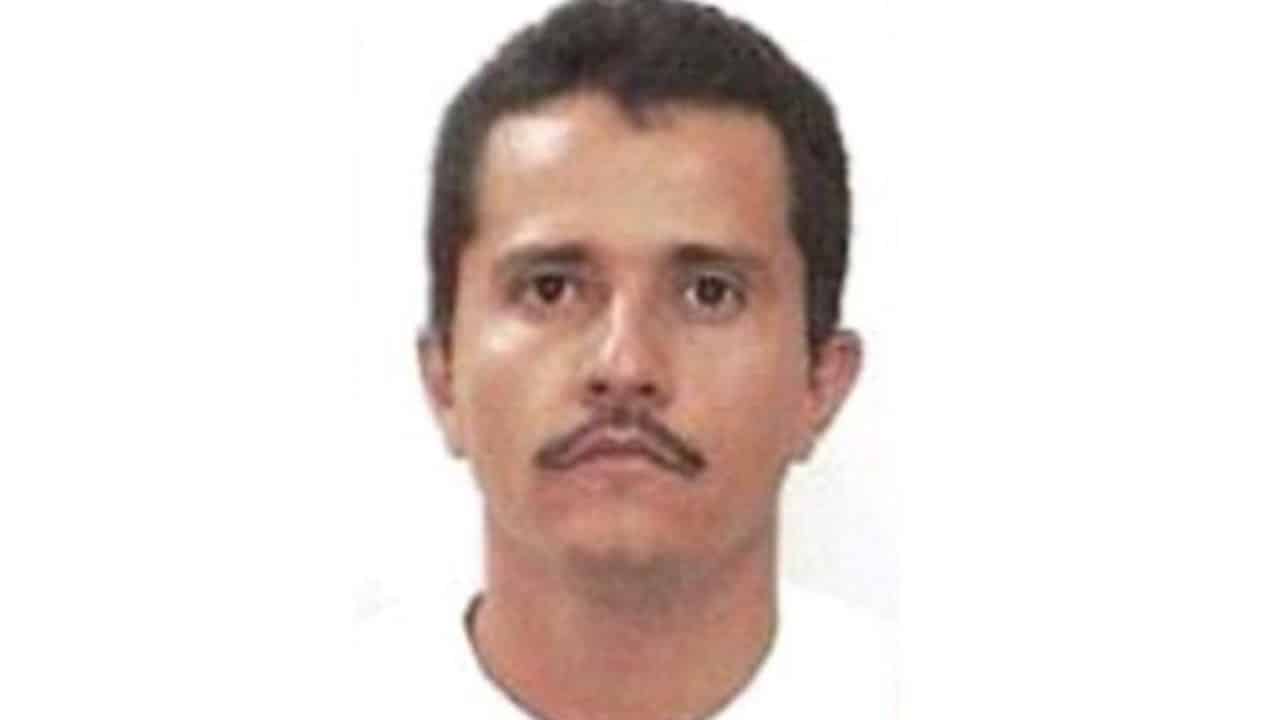
Nemesio Oseguera Cervantes, known as El Mencho, leader of Cartel Jalisco Nueva Generación, was killed during a military operation in Tapalpa, in the state of The action took place on the morning of February 22, resulting in intense clashes between security forces and cartel members. Autoridades Mexican women reported that the drug trafficker was injured at the scene and died during air transport to Cidade from México.
The death provoked an immediate reaction from the CJNG, with roadblocks, vehicle fires and shootings in several cities in the western region of the country. Pelo minus 26 people died in the subsequent riots, including civilians and security agents. The state government activated red alert to reinforce the military presence and control the situation.
Several countries have issued travel advisories for their citizens in México, recommending extra precautions in affected areas such as Puerto Vallarta and Guadalajara. Companhias airlines temporarily canceled flights, affecting traffic on Aeroporto Internacional and Guadalajara.
Military operation in Tapalpa
Mexican Exército special forces surrounded a property in Tapalpa where El Mencho was hiding. The soldiers were attacked as they approached, leading to a shootout that resulted in the deaths of four cartel members at the scene.
Three others were captured wounded, including the leader, but did not resist during the evacuation. The operation relied on precise intelligence to locate the hideout. Relatos indicate that the confrontation lasted around an hour before the partial surrender of those involved.
Cartel reactions and security measures
The CJNG responded with coordinated actions in multiple locations. Em Guadalajara, vehicles were set on fire on main roads, interrupting traffic and forcing businesses to close. Tiroteios occurred near residential areas, forcing residents to shelter at home.
Guarda Nacional was mobilized to unblock roads and patrol affected neighborhoods. Em Michoacán, neighboring Jalisco, authorities have increased surveillance at ports and internal borders to prevent the spread of conflicts.
International alerts and impacts on tourists
The Argentine Foreign Ministry advised its citizens to evaluate the need for travel to México and, for those in Jalisco, to take extra care and avoid traveling at night. The recommendation includes monitoring local news and following instructions from Mexican authorities.
Reino Unido issued a specific warning to Puerto Vallarta, suggesting that tourists stay in hotels due to possible blockages on routes to airports. The guidance is to avoid non-essential travel to the region until security stabilizes.
Guatemala, through its consulate, monitors the situation with no records of those affected so far, but reinforces the importance of precautions and contact with diplomatic representations. Espanha asked its nationals to avoid areas with reports of burning vehicles and to maintain contact with embassies.
Immediate economic consequences
The chaos directly affected the tourism sector in Jalisco, with cancellations of hotel reservations and suspension of activities on popular beaches. Aeroportos and Puerto Vallarta operated with restrictions, impacting international flights and causing losses to airlines.
Local companies reported losses due to halted operations, especially in commerce and transportation. The Mexican government announced measures to support affected businesses, including emergency credit lines. Instability also influenced the foreign exchange market, with fluctuations in the Mexican peso in relation to the dollar.
History of CJNG and leadership of El Mencho
Nemesio Oseguera Cervantes founded Cartel Jalisco Nueva Generación after breaking with other criminal groups in the early 2010s. The cartel gained notoriety for its military capabilities, using drones and armored vehicles in confrontations with authorities.
El Mencho was considered one of the most wanted drug traffickers in the world, with rewards offered by México and the USA. Sua network included international alliances and control of ports like Manzanillo for the export of narcotics. The organization diversified into extortion and illegal mining, consolidating power in several Mexican states. Relatos indicate that the cartel operated in more than 20 countries, with branches in Ásia and Europa for the acquisition of chemical precursors.
External support in the operation
Casa Branca confirmed providing intelligence to the Mexican military for the precise location of El Mencho. Essa cooperation reflects bilateral efforts to combat the flow of drugs into the Estados Unidos, especially fentanyl, responsible for thousands of overdoses annually.
Other countries are monitoring the situation, considering the impact on the international drug trade. The operation in Tapalpa represents an advance in Mexico’s security strategy, prioritizing the capture of cartel leaders.
Violence in other regions
In Puerto Vallarta, tourists reported scenes of confusion with sirens and blockades near hotels. Voos were suspended for hours, affecting hundreds of international passengers.
In Manzanillo, port operations were temporarily paused to reinforce security. Isolated Confrontos occurred on highways connecting Jalisco to neighboring states.
The wave of violence included looting of stores and attacks on police stations. Autoridades arrested 27 people in connection with the riots, recovering stolen weapons and vehicles.
In Guadalajara, the metro operated at reduced capacity due to threats. Escolas suspended face-to-face classes in Jalisco and Michoacán to protect students and teachers.
Prospects for succession in the cartel
With the death of El Mencho, analysts predict internal disputes within the CJNG for control of routes and territories. Familiares and nearby allies can take the lead, but splintering is common in such scenarios.
Track records of other cartels show that power vacuums lead to internal wars, increasing overall violence. The Mexican government plans to intensify operations to capture potential successors.
Government containment measures
The governor of Jalisco activated emergency protocols, including curfews in hot spots. Forças federal officials were deployed to reinforce barriers on roads and airports.
Support programs for victims of the clashes were announced, with medical and psychological care available. Secretaria of Defesa coordinates with international agencies for border monitoring.
The priority is to restore public order and prevent escalations. High-level Reuniões occur in Cidade of México to assess the effectiveness of anti-narcotics strategies.
Impacts on the fight against drug trafficking
The elimination of El Mencho marks a significant blow against the CJNG, which is responsible for much of the fentanyl trafficking into the US. Estatísticas indicate that the cartel controlled up to 40% of synthetic drug routes in Mexico.
Joint efforts between México and the USA have intensified in recent years, with information exchange and joint training. The operation in Tapalpa exemplifies this partnership, aiming to reduce the flow of narcotics and dismantle criminal networks.
However, challenges persist with the resilience of cartels and corruption at local levels. Iniciativas to strengthen judicial institutions are essential for lasting results. Comunidades affected people demand investments in education and employment to combat recruitment by criminal groups.



