
End of exclusivity: Square Enix announces Final Fantasy VII simultaneously for PlayStation, Xbox and PC

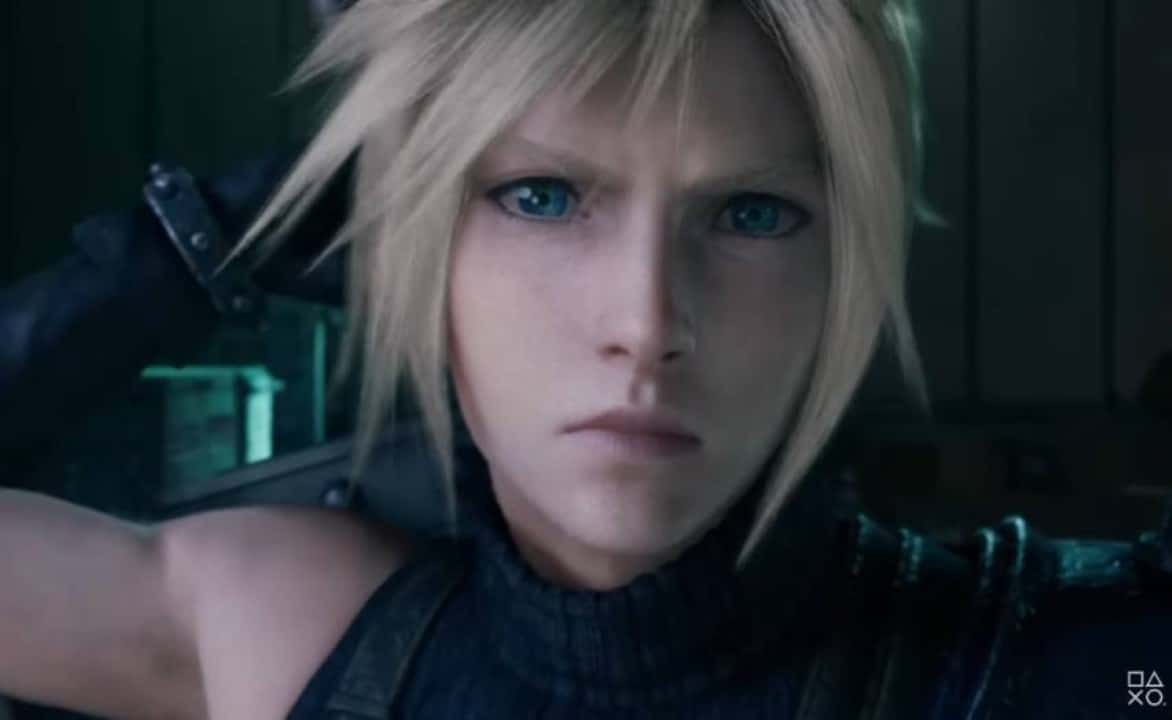
Square Enix has made a historic change to its commercial guidance official by confirming that the third and final chapter of the Final Fantasy VII Remake project will be released simultaneously on all major high-performance platforms. The decision marks the end of the era of temporary exclusivity that linked the franchise to Sony consoles, allowing PlayStation 5, Xbox Series X|S and PC players to have access to the content on the same day as the global premiere.
This new approach reflects a profound restructuring in the Japanese publisher’s business strategy, which seeks to maximize financial return in the initial launch windows. By eliminating barriers to entry imposed by exclusivity contracts, the company aims to capitalize on the total volume of the consumer market, ensuring that the installed hardware base is not an impediment to accessing one of its most valuable intellectual properties.

The announcement confirms that the development of the final title in the trilogy already includes the architecture of multiple systems from the fundamental stages. The technical team is using advanced tools to optimize performance across different hardware, ensuring that visual quality and frame rate stability are consistent regardless of the user’s chosen platform.
Industry analysts point out that this move is a direct response to the rising costs of producing big-budget games. With budgets that often exceed hundreds of millions of dollars, restricting the consuming public to a single ecosystem has become a financially risky practice, requiring a paradigm shift to ensure the sustainability of studios.
Unification of development and new tools
Production of the final chapter is being driven by the use of updated versions of Unreal Engine, which facilitates portability and adaptation of the code to different system specifications. The development team, which previously focused its initial efforts on PlayStation hardware, now operates with a unified workflow, aiming for feature parity between consoles and personal computers.
This integrated methodology allows Square Enix to reduce the waiting time between version releases, a problem that affected sales of previous chapters on PC. Eliminating the gap between releases not only centralizes global marketing, but also keeps community engagement active and cohesive, avoiding audience fragmentation and disinterest generated by late releases.
In addition to graphics optimization, the technical team is implementing native support for upscaling technologies like DLSS and FSR from day one. Isso ensures that PC and console players can get the most out of their equipment, balancing resolution and fluidity, crucial elements for the dynamic combat experience that the series has adopted in its modern reinterpretation.
Impact on the Xbox ecosystem and PC market
For Microsoft console owners, the news represents a significant victory and the filling of a gap in the platform’s catalog of Japanese RPGs. The absence of the trilogy’s previous titles in the Xbox ecosystem has been a constant point of friction, and the inclusion of the simultaneous release signals a greater openness of Square Enix to Western audiences using Microsoft hardware.
In the computer segment, the strategy ends the practice of exclusivity for digital stores that fragmented the user base. Immediate availability on platforms such as Steam and Epic Games Store demonstrates recognition of the importance of the PC market as a central revenue pillar, overcoming the view that it would be just a secondary platform for later portability.
The move also reflects a broader market trend, where the viability of AAA titles increasingly depends on multiplatform releases. By aligning the premiere on all devices capable of running the game, Square Enix ensures that the conclusion of the Cloud Strife saga reaches its maximum sales potential, justifying the massive investment made over the last decade in this recreation project.
This strategic move positions the company more competitively on the global stage, allowing its main launches to compete for public attention in a comprehensive way. The decision to break with traditional partnership models indicates that the current priority is the financial health of the projects and the expansion of the Final Fantasy brand beyond the hardware borders that have limited its reach in recent years.



