
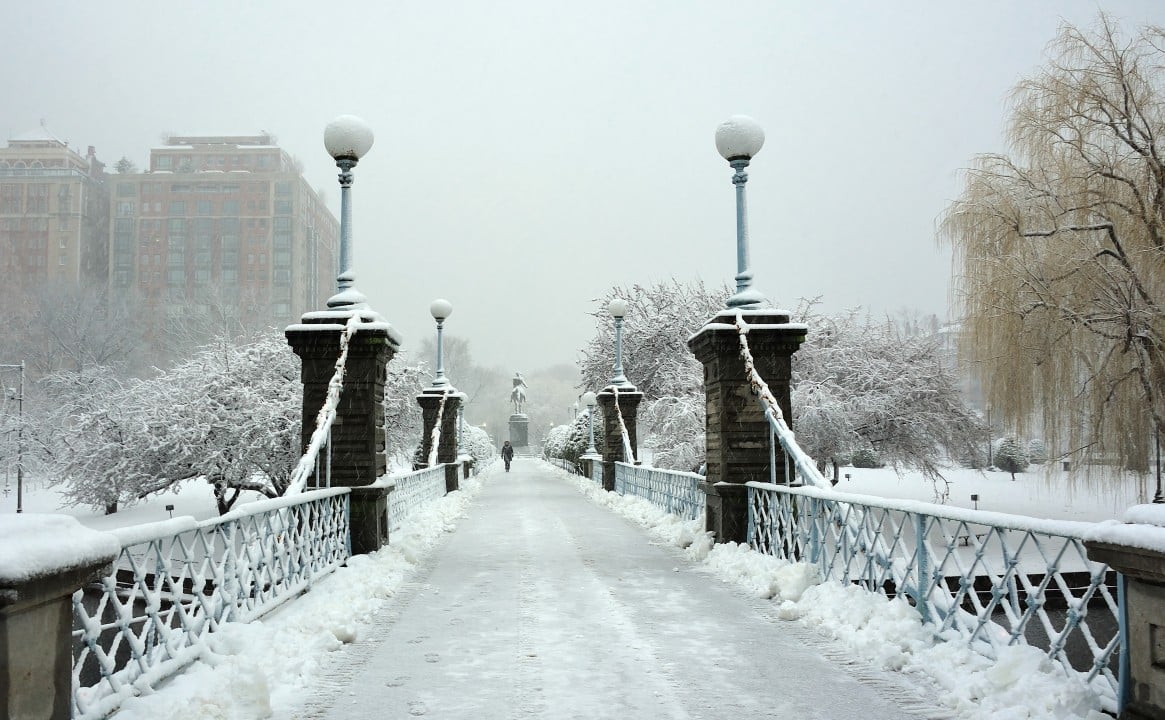
An intense winter storm swept through the northeast of Estados Unidos in February 2020, resulting in snow accumulation approaching 38 centimeters in areas of the city of Nova York. The large-scale meteorological phenomenon forced authorities to enact emergency measures, interrupting essential services and drastically changing the routine of millions of inhabitants in the region, who faced severe weather conditions and heightened security risks.
Regional impacts and emergency decrees
Given the severity of the scenario, governors of states such as Nova York, Nova Jersey, Connecticut and Massachusetts acted promptly by declaring a state of emergency. The administrative measure allowed the rapid mobilization of state resources and the implementation of circulation restrictions, aiming to protect the population from imminent dangers caused by reduced visibility and slippery roads.
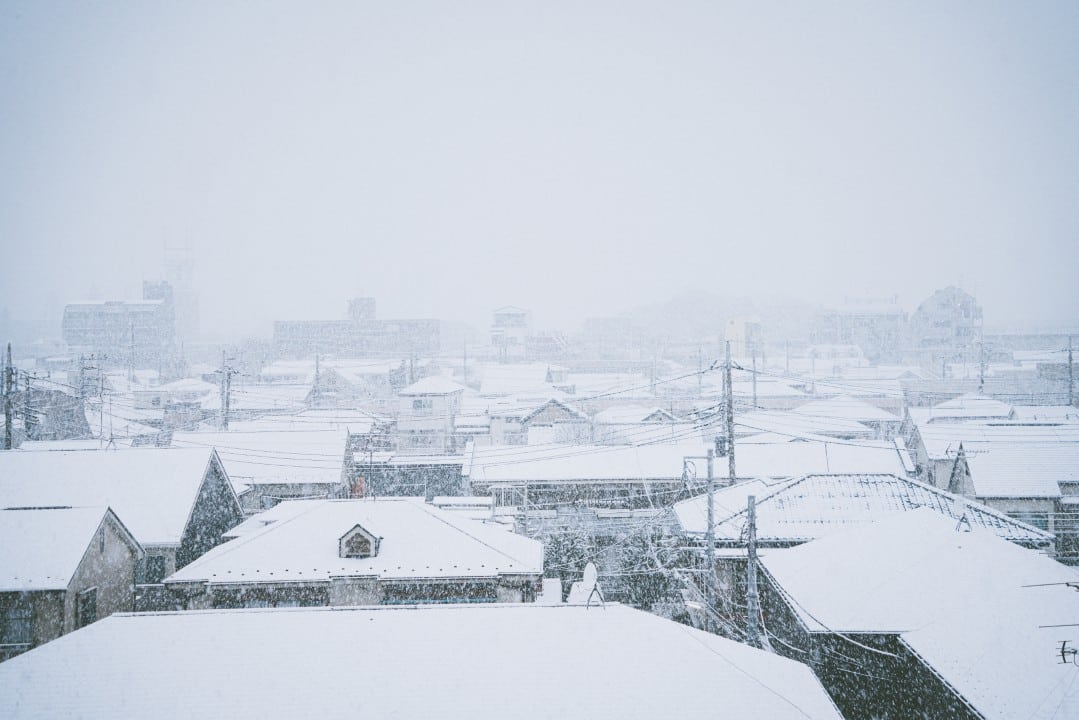
In the city of The central objective of the restrictions was to ensure that the roads remained clear for the passage of emergency vehicles and for snow removal teams, which operated continuously to clear the metropolis’ vital arteries.
Collapse in air transport and infrastructure
The aviation sector suffered a devastating impact with the storm’s passage, with the cancellation of more than 5,500 flights across the United States. Aeroportos, strategic for the global air network, such as John F. Kennedy and LaGuardia, had their operations practically paralyzed during the peak of the snowfall.
Electrical infrastructure was also hit hard, leaving hundreds of thousands of homes and businesses without power in the depths of winter. Dados of the period indicate that approximately 146,000 customers in Massachusetts and 122,000 in Nova Jersey suffered from supply cuts, requiring complex repairs amid the ice.
Utility companies faced what was described by some cooperatives as absolute chaos, with strong winds knocking down poles and transmission lines. The recovery of the electrical system required days of intense work and collaboration between different states to restore normality in the most affected areas.
Affected education and climate history
The region’s educational system had to suspend its in-person activities, with schools closed in Nova York and in several neighboring states as a precautionary measure. In a coordinated action, around 13 school buildings in the city were adapted to function as reception centers, offering safe shelter for those who needed protection from the extreme cold.
This event marked a significant moment in the city’s recent climate history, being the first time in nine years that Nova York was under a specific blizzard warning. Weather forecasts, which indicated wind gusts of up to 110 km/h, were confirmed in practice, validating the need for restrictive measures adopted by local authorities.
Storm displacement and recovery
After causing widespread disruption in the American northeast, the low pressure system continued its trajectory towards the maritime provinces of Canadá. The wake left by the storm required a massive cleanup operation, with the use of heavy equipment to remove the thick layers of snow and ice that covered streets, sidewalks and public transport platforms, allowing the gradual return of economic and social activities in the region.



