

The recent wave of violence in Puerto Vallarta and Guadalajara, in México, has raised concerns about the safety of tourists in several popular destinations in the country. Confrontos intense tensions between organized criminal groups and authorities resulted in scenes of chaos, with vehicles set on fire and roads blocked in urban areas and close to tourist attractions. Tais events cast a shadow over the country’s perceived safety for international travelers.
The murder of a cartel leader on Sunday triggered these acts of retaliation, forcing the US Departamento to issue warnings to its citizens. Muitos American tourists found themselves stranded, with flights suspended and the need to seek refuge in hotels. The situation exposes the vulnerability of tourist regions to organized crime.
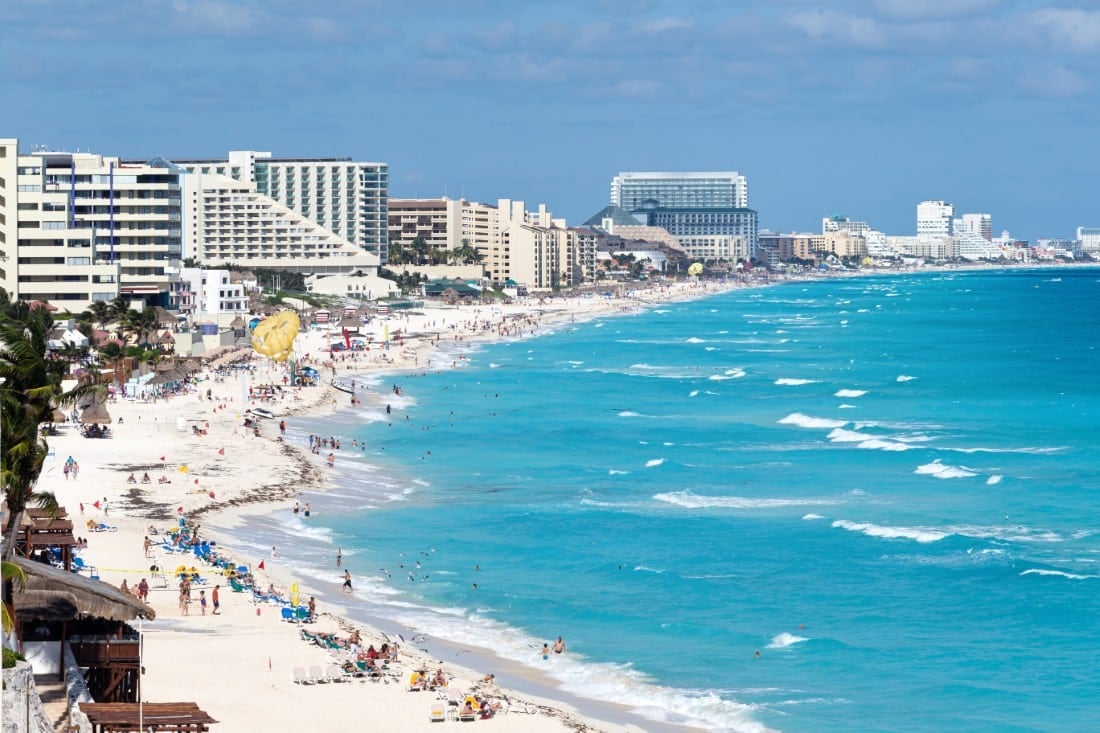
Although the specific incidents mostly occurred in Puerto Vallarta and Guadalajara, the repercussion is broad. The hustle and bustle raises questions about the tranquility in other regions known for the presence of foreign visitors, such as Riviera Maia, a destination that attracts millions annually, and other beaches on the Mexican coast. The scenario requires attention and updated information from those planning trips to the territory.
Scenario of chaos and panic among tourists

On Sunday, following news of the death of Nemesio “El Mencho” Oseguera Cervantes, leader of a Mexican cartel, a wave of retaliatory violence took over Puerto Vallarta and Grupos armed men set fire to buses, blocked roads and clashed directly with local authorities. The criminals’ reaction quickly transformed paradisiacal destinations into areas of tension, taking many tourists by surprise.
Adryan Moorefield, resident of Dallas, planned to return home from Ele described the situation as a “complete shock” and “almost like being in the twilight zone”, highlighting that the town was a family-friendly destination for a “quick and easy beach holiday”. The experience lived by Moorefield illustrates the unpredictability of such events in places usually sought after by tourists.
Flights suspended and searches for shelter
In response to the escalating violence, the US Departamento of Estado issued an urgent warning, advising US citizens to “seek shelter and remain in their homes or hotels.” Várias American airlines, in turn, immediately suspended flights to Puerto Vallarta, a city that receives thousands of foreign visitors, resulting in the stranding of many tourists who were desperately trying to leave the country. Essa The abrupt interruption of air services intensified the feeling of despair and uncertainty for those on vacation, not knowing when or how they would be able to return home. The measure highlighted the seriousness of the situation and the rapid deterioration of security conditions.
Testimonials from impacted travelers
Reports from tourists trapped in the region paint a grim picture of events. Jim Beck, another American tourist, left his hotel in The sudden change in the cityscape from tranquil to chaotic left a mark on visitors.
A tourist who identified herself as Mari, seeking to preserve her privacy, said she was sheltering in her holiday home with her two young children, watching the unrest unfold outside. “We have two little kids, and it’s really scary,” she said, describing how “the whole bay was covered in fire” for hours, with thick smoke hanging over the city, making visibility almost nil. The smell of burning rubber permeated the air.
Travis From his balcony, he directly witnessed “some of the tactics and some of the cars that were being set on fire, some of the looting that was taking place as local stores and buildings were attacked.” Sua detailed observation highlighted the extent and proximity of the conflict to tourists.
The vulnerability of tourism amid organized crime
Violence in México, driven by disputes between cartels, is not a new phenomenon, but its direct manifestation in tourist centers raises serious questions about security for those visiting the country. The rapid response of the US Departamento to Estado in issuing a warning to its citizens reflects the seriousness of the situation and the concern of international authorities. Essa intervention highlights the importance of tourists always being aware of travel warnings and the safety reality of the places they intend to visit, even if they are popular holiday destinations.
Organized crime in México has demonstrated the ability to adapt and escalate, affecting not only trafficking routes, but also daily life and public safety in several regions. The complexity of the scenario requires constant vigilance on the part of security agencies and a review of tourist protection strategies, which are vital for the local economy. The perception of insecurity can have a lasting impact on the tourism industry, which relies heavily on the trust and peace of mind of visitors.
Reflections for other destinations and essential care
Although recent incidents have focused on Puerto Vallarta and Guadalajara, the repercussions are inevitably felt in other tourist destinations in México, such as Cancún and Riviera Maia. Esses events reinforce the need for travelers to assess risks when planning trips and seek updated information from official sources. A country’s security reputation can be quickly undermined by such events, requiring a continued effort to restore the confidence of international tourists.
For those who still plan to visit México, it is essential to adopt precautionary measures. Consultar travel alerts issued by consulates and embassies are the first step to obtaining a clear picture of the security situation. Além In addition, opting for travel packages with companies with an established reputation can offer an extra layer of security, including assistance in case of unforeseen events. Discretion and careful observation of your surroundings are prudent attitudes on any international trip.
Traveler safety and adaptability measures
In the face of unexpected crises, travelers’ adaptability becomes crucial. Most tourists affected by the recent unrest, according to Travis Dagenais, dealt with the chaos “with a certain degree of patience and understanding of things that are beyond the individual’s control.” Essa stance, although understandable, does not negate the need for preparation and planning for emergencies, such as having contingency plans and quick access to contact information for family members and authorities.
The resilience of the tourism industry and the hope for normality among local people and visitors are palpable. Dagenais expressed his desire that “everyone in this city, everyone in this country, be able to feel normalcy and be able to feel some degree of safety after this.” The recovery of the security image and the full resumption of tourist activities are crucial for the economy of the affected regions, which depend heavily on this activity.
- Stay informed about the local situation before and during your trip.
- Avoid areas considered to be at risk and demonstrations.
- Keep digital and physical copies of important documents.
- Have comprehensive travel insurance that covers emergencies.
- Communicate regularly with family and friends about your location.
Challenges for resuming normality
The situation experienced in Tepic by Priscilla, a woman from Califórnia who was visiting her family, illustrates the personal challenges during the crisis. Ela found herself temporarily separated from her teenage son, who was staying at a cousin’s house, twenty minutes from her hotel. Devido to shelter-in-place alerts, she was unable to pick him up, but confirmed he was safe. Priscilla, who has been traveling to México since childhood, said he had never encountered anything like it, seeing vehicles set on fire by suspected cartel members and the streets empty, with only the sound of ambulances breaking the silence.
These experiences highlight the deep uncertainties that arise in times of instability. Perguntas about the duration of the “lockdown”, airport operation and escape routes are constant for stranded tourists. The international community, together with Mexican authorities, needs to work together to ensure the safety of visitors and residents, allowing life and tourism to return to normal, in an effort to protect the image and economic vitality of these important regions.



