

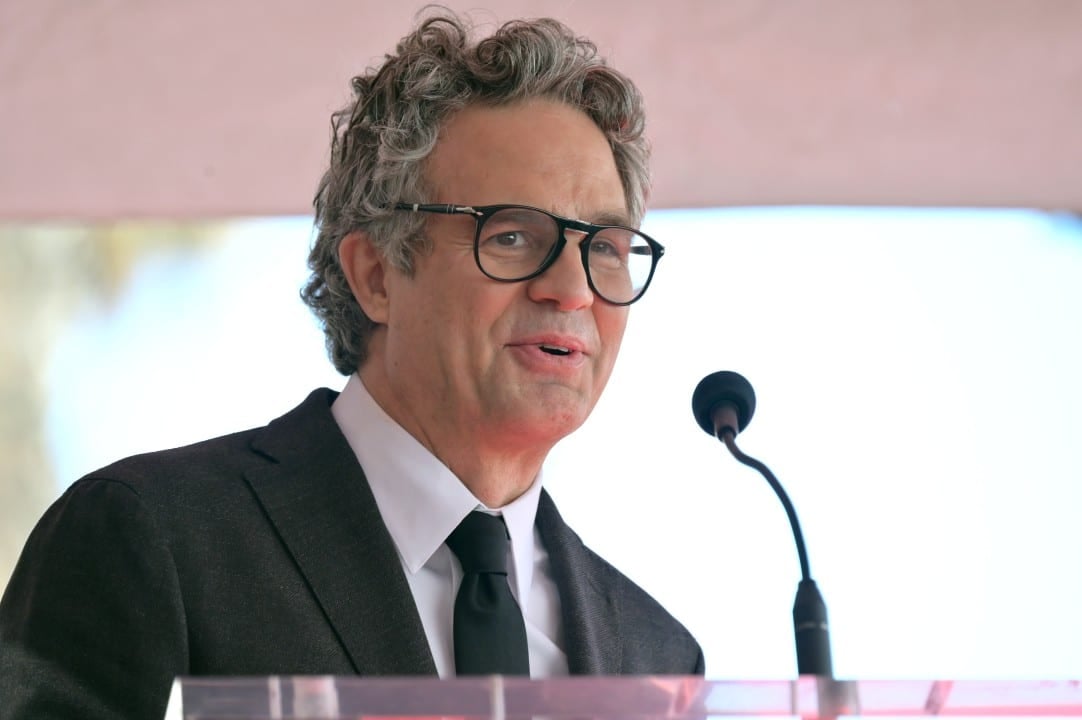
Actor Mark Ruffalo publicly criticized director James Cameron after sending a letter to Senator Mike Lee, in which Cameron described the possible acquisition of Warner Bros Discovery by Ruffalo published a message on Threads asking whether the filmmaker also opposes a monopoly created by Paramount Skydance’s offer. The controversy highlights divisions in the industry over the future of streaming and traditional cinema amid the deal valued at around $83 billion.
Cameron’s letter emphasized risks such as loss of jobs in Hollywood, reduction of cinema productions and closure of cinemas. Ele defended the preservation of the theatrical model and warned of negative impacts on the audiovisual export sector of the Estados Unidos. Ruffalo responded by demanding consistency, arguing that the concentration of power would occur equally with Paramount and that the cinematographic community deserves immediate clarification.
The acquisition proposed by Netflix foresees the incorporation of the Warner studios, HBO Max and iconic franchises, maintaining traditional windows for theatrical releases. The agreement separates the linear networks from Warner Bros Discovery, which would form an independent company called Discovery Global. The transaction still depends on regulatory approvals from Departamento, Justiça and the FTC, with analysis focused on competition and market power in streaming.
Main points of the Netflix-Warner agreement
- Netflix would pay $27.75 per Warner Bros Discovery share, totaling about $83 billion in enterprise value.
- The business includes premium assets such as HBO, film and television studios and a historical catalog of films and series.
- The structure provides for full payment in cash to provide greater certainty for Warner shareholders.
- Netflix has committed to preserving 45-day periods for theatrical exhibition of major productions after the purchase is completed.
Reactions and resistance in the industry
Filmmakers and producers sent petitions to the American Congresso asking for strict antitrust scrutiny. Eles argue that the concentration would reduce distribution options and affect negotiations with independent creators. Paramount Skydance questioned the fairness of the process and accused Warner of favoring Netflix, defending an independent committee to evaluate competing proposals.
Employees of Warner Bros Discovery expressed a preference for Netflix compared to the full acquisition of Paramount. Fontes indicate that the streaming platform model would preserve a hybrid structure between cinema and digital. The exclusive negotiation period with Netflix remains in force, with the possibility of an official announcement if the final terms are aligned.
Detailed position of James Cameron
James Cameron highlighted in his letter the jobs created by blockbusters and large-scale franchises. Ele cited experiences with productions like Avatar to reinforce that accelerated integration with streaming would reduce investments in theatrical films. The director predicted cascading consequences, including difficulties for visual effects companies and losses in the American export market.
Cameron’s public response to Ruffalo’s post has not yet occurred. The debate reflects growing tensions in Hollywood between defenders of the traditional model and companies that prioritize streaming. Legisladores Republicans, including Darrell Issa, sent letters to Procuradora-General and the FTC requesting detailed analysis of the antitrust impact.
Regulatory steps and timeline
Departamento of Justiça requests information about Netflix’s business practices. The investigation verifies whether the transaction creates a monopoly or substantially reduces competition in the audiovisual content market. The FTC also participates in the analysis, focusing on effects on the production, distribution and labor relations chain.
The Warner Bros Discovery shareholder vote is scheduled for March 2026. The company’s board recommends approval of the agreement with Netflix, highlighting a viable path to obtaining government approvals. Caso approved, closure could occur throughout 2026, depending on the pace of regulatory reviews.



