
End of exclusivity: Square Enix confirms Final Fantasy VII on Xbox and PC simultaneously with PS5

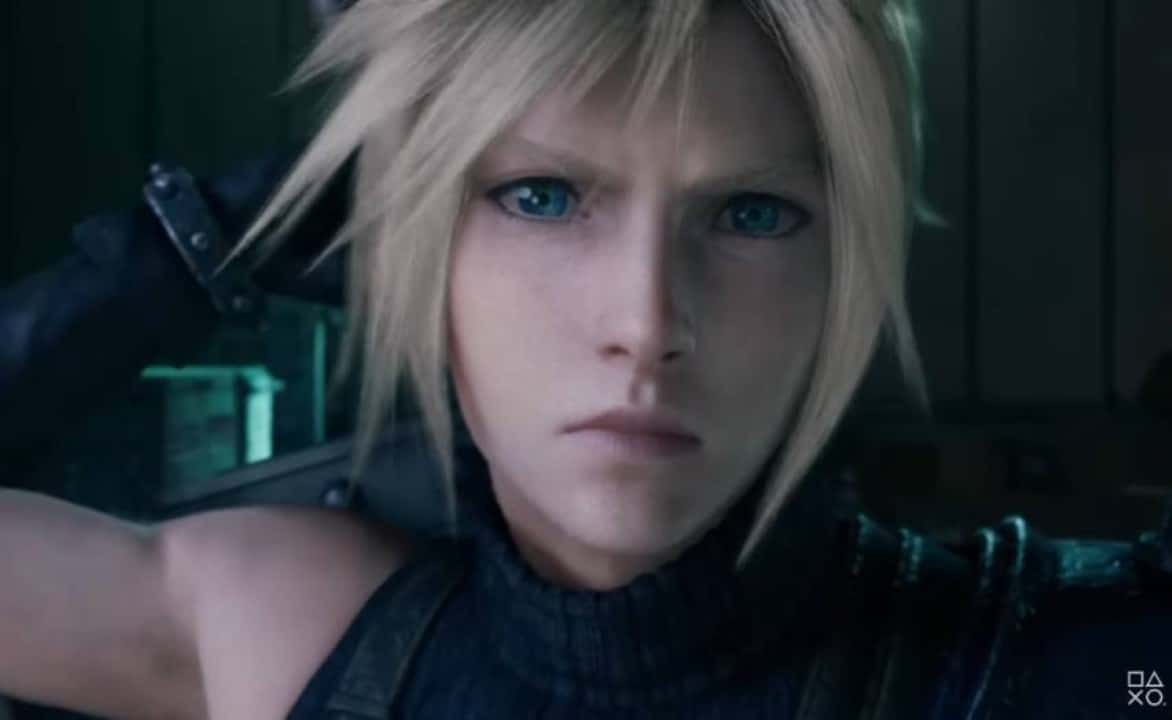
Square Enix has made a drastic change to its launch guideline for the completion of the Final Fantasy VII Remake project. The Japanese developer confirmed that the third and final part of the trilogy will hit the market simultaneously for PlayStation 5, Xbox Series X|S and PC. The decision marks the end of the temporary exclusivity strategy that restricted the first two chapters to Sony consoles for long periods.
The announcement reflects a profound restructuring of the company’s business model, aimed at immediately maximizing profits and the global reach of the franchise. Executivos from the company highlighted that platform restrictions limited the commercial potential of previous releases, and the new approach seeks to ensure that the installed base of players has access to content on day one, regardless of the hardware chosen.

Industry analysts point out that this move is a direct response to the rising production costs of AAA titles, which now require massive sales volumes in the first few weeks to guarantee a return on investment. The unification of release dates eliminates the waiting period for Microsoft computer and console users, a long-standing demand from the community that often waited months or years for ports.
With the confirmation, the publisher also ensures that the entry barriers to the universe of Final Fantasy VII have been broken down. The strategy not only benefits the end consumer, who gains power of choice, but also strengthens the brand’s presence in markets where the PC and the Xbox have greater penetration than the Sony console.
Strategic change and commercial viability
The decision to abandon temporary exclusivity with the PlayStation brand represents a turning point in the recent history of Square Enix. Durante years, the partnership secured financial and marketing support for development, but more recent sales data indicated that audience fragmentation was hurting long-term financial performance. The new business plan prioritizes digital ubiquity as a pillar of sustainability.
For investors, the news signals a necessary adaptation to the realities of the gaming market in 2026. The budget for creating the final part of the trilogy reaches record figures, making exclusivity a risky bet. By making the game available on multiple digital stores, such as Steam, Epic Games Store and the Xbox store, the company projects initial revenue significantly higher than that of previous chapters.
Furthermore, the measure aims to combat the loss of interest that naturally occurs when a game takes a long time to arrive on other platforms. The “hype” generated by the unified global launch allows for more efficient and focused marketing campaigns, engaging the entire gaming community at once, instead of dividing attention into separate cycles by platform.
Technical optimization and unified development
On the technical aspect, the development team confirmed that the creation process was unified to meet the specifications of all hardware simultaneously. Using advanced tools and the latest version of Unreal Engine allowed engineers to work in parallel on the console and desktop versions, ensuring visual and performance parity between the new generation platforms.
The PC version will receive special attention, with confirmed support for upscaling technologies like DLSS and FSR from day one. Isso ensures that players with different hardware configurations can run the title with stable frame rates and high resolutions, without the optimization problems that marked some of the publisher’s previous releases on the platform.
The similar architecture between the PS5 and the Xbox Series X made it easy to port the code base, allowing the team to focus on polishing and eliminating critical bugs. The promise is a fluid and consistent experience, leveraging the power of high-speed SSDs present in all target devices to eliminate loading screens and create a more immersive world.
Impact on the Xbox ecosystem and PC market
The arrival of the completion of Final Fantasy VII to the Microsoft ecosystem is seen as a significant victory for the American company’s gaming division. The absence of previous titles in the Xbox catalog was a point of constant friction, and the inclusion of the launch on “day one” strengthens the console’s library, attracting fans of Japanese RPGs who previously were forced to purchase other platforms.
For the computer market, the end of the delay in launches consolidates the platform as the definitive place for preservation and performance. The community of modders and hardware enthusiasts, which has historically driven the longevity of the franchise’s games, will have access to the tools and base game simultaneously with the rest of the world, fostering a creative ecosystem from its debut.



