

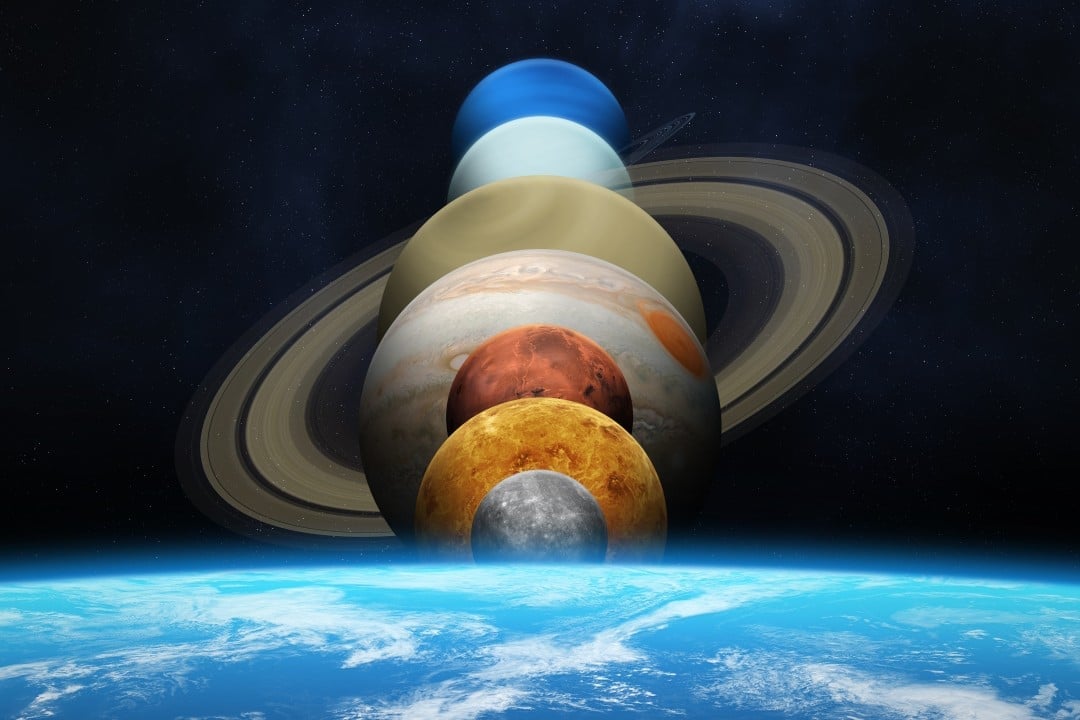
Observers and astronomy enthusiasts in different regions of the world are preparing their equipment for a significant celestial phenomenon predicted for the end of this month. A specific orbital configuration will allow the simultaneous visualization of six planets in our solar system, creating an imaginary line in the firmament that can be observed from Terra. The event involves the presence of Mercúrio, Vênus, Júpiter, Saturno, Urano and
February 28th marks the high point of this event, offering the best visibility conditions for those looking to record or just contemplate the moment. Especialistas point out that four of these stars can be identified with the naked eye in places with favorable weather conditions, while the two more distant ones will require optical assistance. The rarity of this type of formation attracts the attention not only of the scientific community, but also of the general public interested in the movements of the cosmos.
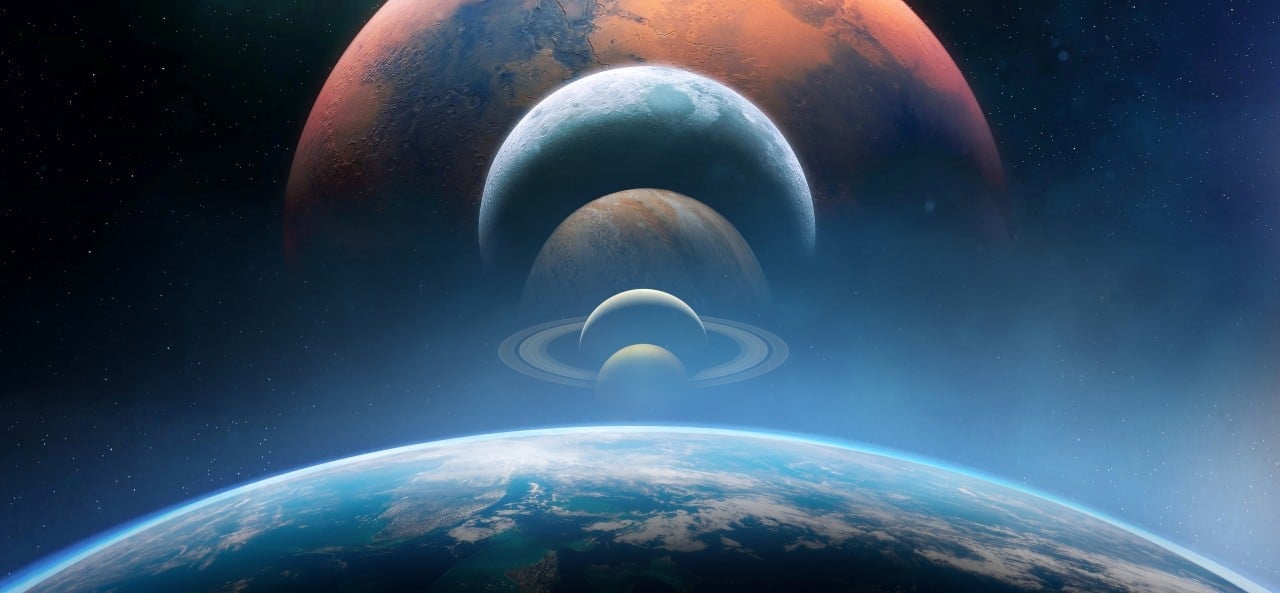
The observation window is not restricted to a single night, extending over a few days around the main date, which increases the chances of viewing if there is meteorological interference. Aplicativos star mapping tools have been essential tools for indicating the exact position of celestial bodies, making location easier for laypeople. The growing interest in astronomical events has boosted observation tourism in rural areas and parks far from large urban centers.
Ideal viewing times and conditions
The spectacle begins to take place on the western horizon approximately thirty minutes after sunset, when the sky begins to darken enough to reveal the first planetary glows. The ideal window for full observation lasts about an hour, before planets lower on the horizon, such as Mercúrio, disappear from view due to the rotation of Terra.
To ensure a satisfactory experience, it is recommended to look for locations with a clear horizon and low light pollution:
- Rural or coastal areas away from large cities offer the best contrast.
- Elevated locations help avoid physical obstacles such as buildings or dense vegetation.
- Checking the weather forecast in advance is crucial to avoid cloudy nights.
- Using augmented reality apps can help identify each point of light.
Mercury will be the first challenge, appearing very close to the horizon and requiring a clear view to the west. Vênus, in turn, will act as a natural lighthouse due to its intense luminosity, serving as a guide to find the other members of the space procession. Júpiter and Saturno will be positioned higher up, easily standing out against the starry background.
Details of the stars involved
Each planet will present distinct visual characteristics that can be noticed with attention or with the use of basic equipment. Vênus will dominate the scene with its intense white glow, impossible to ignore even in moderately lit urban areas. Júpiter, the gas giant, will appear as a stable and strong point of light, while Saturno may reveal its rings to those using small telescopes or good quality binoculars.
The most distant planets in the solar system complete their formation in a more discrete way:
- Uranus: Apresenta appears as a very faint point of light, requiring binoculars to distinguish it from the stars.
- Neptune: It is the most difficult to locate, requiring telescopes and a precise knowledge of its position.
- Although Mars:Embora is not the main focus of this particular alignment, its relative position is also monitored by astronomers.
The celestial mechanics that provide this alignment are a reminder of the dynamic nature of our solar system, where the planets orbit Sol at different speeds but in the same plane. Essa visual coincidence, although it has no noticeable gravitational impact on Terra, offers a valuable pedagogical opportunity for schools and planetariums to disseminate science.
Recommended equipment for observation
Although part of the phenomenon is visible without technological assistance, the experience is significantly enriched with the use of suitable optical instruments. A pair of 10×50 binoculars is often cited by amateur astronomers as the ideal piece of equipment for beginners, as it offers a wide field of view and reasonable stability. Para If you want to see details like the Galilean moons of Júpiter or the oval shape of Saturno, a simple refracting telescope is enough.
Photographers are also preparing to record the event, using tripods to ensure the necessary stability for longer exposures. Câmeras Modern, and even smartphones with advanced “night mode”, are capable of capturing the planetary conjunction if configured correctly. Sharing these images on social networks and specialized forums helps document the event and encourages the preservation of the night sky against excessive light pollution.



