
Historic blizzard devastates Northeastern US with record snowfall and looming threat of new storm By Beatriz
7 min read
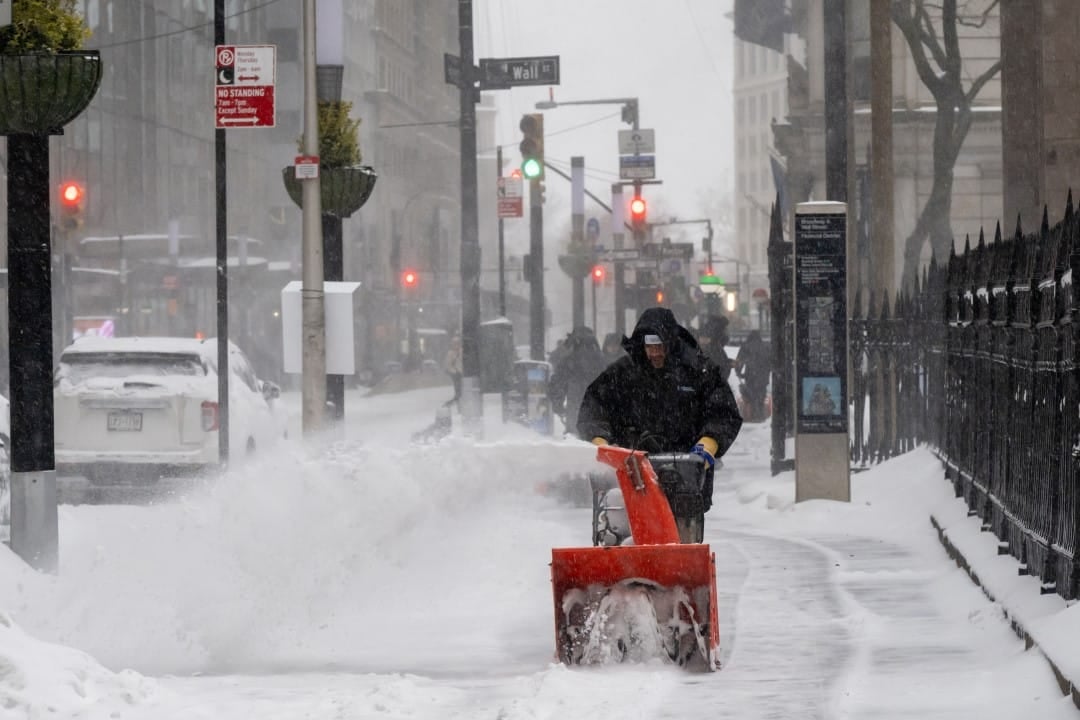 |
The powerful snowfall that hit Nordeste of Estados Unidos in recent days left a trail of exceptional accumulations, with more than 90 centimeters of snow in some areas of Rhode Island, surpassing historical marks. Autoridades locations reported at least two confirmed fatalities, while hundreds of thousands of homes and businesses were left without power due to high winds and heavy snow.
Millions of residents in states including Nova York, Massachusetts and The event, classified as a “cyclonic bomb”, caused the cancellation of thousands of flights and the closure of main roads, directly affecting public and private transport in the region.
The storm, which intensified rapidly on Sunday and Monday, brought blizzard conditions with hurricane-force winds, complicating rescue and snow removal operations. Meteorologistas indicate that the system is already moving away from the coast of Nova Inglaterra, but warn of a new snow system that could impact areas of Grandes Lagos and parts of Nova York until Wednesday.
Exceptional accumulations and broken records
Providence, in Rhode Island, recorded 96 centimeters of snow, setting a new record for the city and surpassing the Blizzard from 1978. Outras locations, such as parts of Massachusetts and
These exceptional totals resulted in more than 600,000 power outages at the height of the storm, with Massachusetts reporting the highest number of those affected. Equipes of public utilities prioritized restoration in residential areas, but persistent winds delayed progress in coastal regions.
Snow. Wind. Plow.
—NYC Sanitation (@NYCSanitation)February 23, 2026
More snow. More Wind. More Plow.
All night. All morning.
Plows and spreaders (which also have plows!) are out, and every street has seen a plow at least once. Remember, with ongoing snow and wind, plowed and treated streets won’t always show blacktop. Snow…pic.twitter.com/7ZRCWske42
Impacts on transport and urban mobility
Major airports, including those at Nova York and Boston, have canceled more than 9,000 flights since the storm began, affecting international and domestic passengers. Companhias airlines reported chain delays, with operations gradually resuming this Tuesday under conditions of reduced visibility.
Interstate roads like I-95 were impassable for hours, with abandoned vehicles and minor accidents reported in several stretches. Autoridades issued travel bans in cities including Filadélfia and Providence, which were progressively lifted as cleanup crews moved forward.
Subway and commuter train systems suspended services during the height of the snowfall but began partial operations this morning, prioritizing essential routes for health and emergency workers.
Current weather conditions and alerts
The cyclonic bomb quickly formed over Atlântico, bringing wind gusts above 120 km/h to coastal areas, which worsened blizzard conditions and reduced visibility to zero in many places. Meteorologistas of Serviço Nacional of Meteorologia classified the event as the most intense in a decade for the region.
Blizzard warnings covered more than 40 million people in eight states, focusing on Nova Inglaterra and the Meio-Atlantic. Agora, with the main system dissipating, efforts turn to forecasting an “Alberta clipper” that could bring up to 20 centimeters of additional snow to parts of Nova York and Pensilvânia.
Recovery efforts and community assistance
Neighbors and volunteers came together to help elderly people and isolated families, using shovels and private vehicles to clean residential driveways. Governos locations activated temporary warming centers, distributing blankets and supplies to those who lost electricity during the cold night.
Specialized machines, including a snow plow nicknamed “Darth Vader” used on railways, were employed to clear railway lines and secondary roads. Equipes states coordinated with federal agencies to speed up the removal of accumulated snow on public roads.
In Massachusetts, where almost 250 thousand customers were still without power this Tuesday, public utilities estimate complete restoration by the end of the day, depending on weather conditions.
Cities like Nova York have declared a state of emergency, allowing for the rapid allocation of resources for cleanup and social support.
Details about fatalities and incidents
The two confirmed deaths occurred in Maryland, where a tree fell on a vehicle during the height of the storm on Sunday afternoon. Autoridades are investigating the incident, which also left one person seriously injured, highlighting the risks of strong winds in wooded areas.
Other incidents included vehicles becoming stuck in Massachusetts, with more than 350 cars rescued from icy roads. Policiais and firefighters responded to emergency calls related to hypothermia and minor accidents, with no additional reports of deaths to date.
Forecasts for the next few days
Meteorologists predict that the new snow system, originating in the Grandes Lagos, will bring moderate accumulations, focusing on areas already affected by the previous snowfall. Ventos cold temperatures will persist, keeping temperatures below freezing in many locations in Nordeste, which could complicate snow melting and increase the risk of ice.
Winter warnings remain in effect for parts of Nova York and Maine, with recommendations for residents to avoid unnecessary travel. Serviço Nacional of Meteorologia monitors clipper development, updating forecasts hourly to guide local authorities.
Preparedness measures in affected communities
City halls advised residents to stock up on essential supplies, such as water and non-perishable food, before the arrival of the new event. Escolas in several districts announced precautionary closures for Wednesday, prioritizing the safety of students and staff.
Utility companies have beefed up field teams, positioning generators in hospitals and shelters to avoid critical outages. Comunidades coastal areas, still dealing with minor flooding caused by high tides during the blizzard, are preparing additional barriers against potential cold waves.
Analysis of snow totals by state
In Rhode Island, Warwick recorded more than 90 centimeters, while Providence surpassed its historical record with 96 centimeters accumulated. Esses exceptional totals required federal interventions to help clean up state roads.
Nova York saw accumulations of up to 68 centimeters in Long Island, with the city of Nova York recording around 45 centimeters, enough to paralyze urban traffic for hours. Equipes Municipalities have prioritized main avenues, but secondary streets remain blocked.
Massachusetts and Connecticut reported averages of 60 to 75 centimeters in coastal areas, with winds causing snow drifts that reached up to 1.5 meters in some spots.
Delaware and Pensilvânia accumulated between 48 and 60 centimeters, with impacts concentrated in rural regions where access was blocked by fallen trees.
Urban Snow Removal Strategies
Large cities have implemented emergency plans with rotating shifts of machine operators to maintain continuous progress. Nova York used more than 2,000 cleaning vehicles, focusing on bridges and tunnels to prevent structural collapse under the weight of snow.
In Boston, authorities coordinated with the private sector to rent additional equipment, accelerating evacuation in densely populated neighborhoods. Residentes were encouraged to clean adjacent sidewalks, reducing the risk of pedestrian accidents.
Conditions at airports and ports
Airports such as JFK and Logan International resumed limited flights this Tuesday, but with accumulated delays due to the need to de-ice runways. Companhias airlines offered refunds and free rebookings to those affected by the blizzard.
Coastal ports suspended marine operations during the height of the storm but restarted cautiously, monitoring high waves caused by residual winds.
Coordinated federal and state support
The federal government approved disaster declarations for several states, freeing up funds for immediate recovery and reconstruction of damaged infrastructure. Governadores coordinated joint conferences to update the population on advances.
Agencies like FEMA have distributed emergency kits to isolated communities, ensuring access to medicine and heat for the vulnerable.
Regional climate outlook
The current weather pattern, influenced by a displaced polar vortex, suggests that heavy snow events may persist into Nordeste through the remainder of February. Meteorologistas recommend continuous monitoring of bulletins for adjustments to daily plans.
Temperatures are expected to remain low, with minimum temperatures reaching -10°C in interior areas, requiring precautions against freezing pipes and hypothermia.
Power and Restoration Details
More than 375 thousand customers still without power this Tuesday are concentrated in Massachusetts and Rhode Island, where lines were damaged by trees and winds. Empresas of energy mobilized teams from other states to speed up repairs.
Partial restorations occurred in Nova Jersey and Delaware, where the impact was minor, allowing focus on critical areas such as hospitals and fire stations.
Notable incidents during the storm
In Calvert County, Maryland, the fallen tree incident highlighted the need for early warning about strong winds. Autoridades locations reinforced inspections in wooded areas to prevent repetitions.
Other cases included rescues of drivers trapped in snow drifts in Connecticut, where crews used all-terrain vehicles for safe evacuations.
Preparations for the next system
Residents stock up on salt and snow removal tools in anticipation of the clipper that could add up to 8 inches to already saturated regions. Lojas of supplies reported increased demand for generators and portable heaters.
Schools and companies plan remote operations as a contingency, minimizing exposure to adverse conditions.
The blizzard of 2026, now considered a milestone for the region, reinforces the importance of robust warning systems and urban planning resilient to extreme events. Meteorologistas continue to track patterns for accurate predictions as communities adapt to the immediate demands of recovery.











