

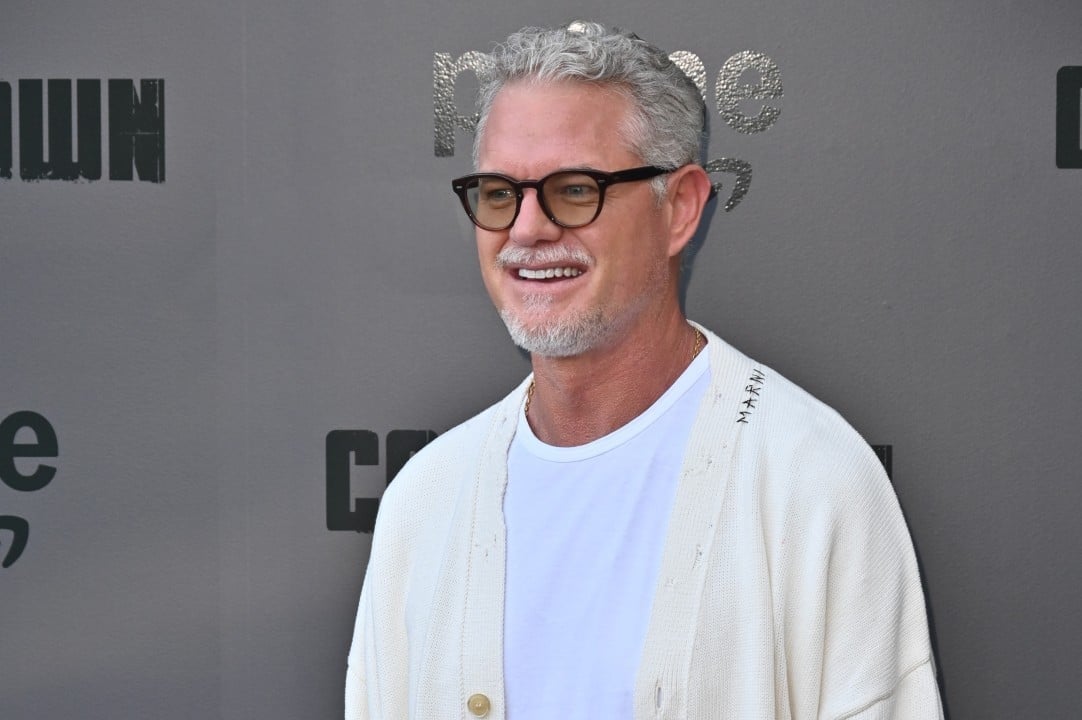
Actress Laura Ann Tull brought to light disturbing revelations about the behind-the-scenes of one of the most popular medical series on global television. In recent statements, the artist accused actor Eric Dane of promoting a hostile work environment and bullying her during the recording ofGrey’s Anatomy. The case dates back to 2011, specifically during the production of the drama’s eighth season, shedding new light on the power dynamics on the sets of Hollywood.
According to Tull’s report, his experience on set was marked by inappropriate conduct on the part of Dane, who played the plastic surgeon Mark Sloan, one of the most iconic characters in the plot. The actress, who was hired for a special guest appearance, describes moments of tension and discomfort that, according to her, were intentionally caused by her co-star.
The allegations come at a time when the entertainment industry continues to review past behavior through the lens of new standards of professional conduct. Laura Ann Tull’s complaint not only exposes an individual situation, but reinforces the debate about psychological safety and hierarchical respect within major television productions.
The incident would have occurred while both shared important scenes for that year’s narrative arc. The actress states that, instead of finding a collaborative environment, she was faced with hostility, which profoundly impacted her professional experience at the time and left marks that lasted years after her departure from the series.
The context of the conflict in season eight
To understand the seriousness of the accusations, it is necessary to revisit the context of the plot in 2011. Ela played nurse Sloan, creating a script dynamic that directly involved Dr. Mark Sloan, known to fans as “McSteamy”.
The interactions between the characters were supposed to be comical and light on screen, but behind the scenes told a different story. According to Tull, Dane demonstrated dissatisfaction with her presence and with the development of that specific narrative. The actress claims that the actor made it clear that he did not want her there, creating a heavy atmosphere during filming.
Reports indicate that Dane’s behavior included attitudes aimed at belittling her colleague and making her feel unwanted on set. The disparity of power between a permanent and renowned member of the cast and a guest actress often silences situations of this type, but Tull decided to break the silence to expose what he considers to have been abusive and unjustifiable treatment.
The indictment details that the hostility was not limited to creative disagreements, but escalated to degrading personal treatment. The actress felt like she was the target of persecution that turned the opportunity to work on a successful show into a traumatic memory, highlighting the vulnerability of actors with less bargaining power in large studios.
Repercussion and silence from the industry
To date, Laura Ann Tull’s complaint has not received an official response from Eric Dane or his representatives. Silence from the parties involved, including the production of the series and the broadcaster responsible, is common in the initial stages of public accusations, but it generates expectations for clarification.
The lack of an immediate position raises questions about how the industry deals with allegations involving charismatic and profitable figures. Fãs of the series and market observers are waiting to see if there will be internal investigations or if other members of the team from that time will corroborate the version presented by the actress.
The case of Tull is emblematic because it challenges the public image of an actor beloved by the audience. The divide between the charming character and the real person behind the scenes is a recurring theme in Hollywood, and accusations like this force audiences and studios to confront the reality that talent in front of the camera does not justify misconduct behind it.
The importance of whistleblowing in the post-MeToo era
Laura Ann Tull’s decision to speak openly about what happened, even years after the fact, reflects the cultural change driven by movements like #MeToo. Antes, abusive behaviors were often swept under the rug or normalized as an “artistic temperament.” Hoje, there is greater space for victims to share their stories without the immediate fear of professional retaliation.
Work ethicists point out that delayed reporting is common, as victims often need time to process the trauma or feel safe enough in the changing cultural climate to come forward. The courage to denounce powerful figures is a crucial step towards sanitizing the corporate environment in entertainment.
- Strengthening compliance policies in studios.
- The creation of anonymous reporting channels for cast and technical staff.
- The reevaluation of past conduct by major TV stars.
- The role of unions in protecting guest actors and extras.
These transformations aim to ensure that the film set is a safe place for all professionals, regardless of their position on the payroll. The story of Tull serves as a reminder that vigilance must be constant and that the prestige of a series should not serve as a shield for toxic behavior.
Impact on the career and well-being of those involved
For Laura Ann Tull, the experience inGrey’s Anatomyit was not just a difficult job, but an event that affected his perception of the industry. Atores who experience bullying often report anxiety, loss of confidence and even abandoning their career. Reporting also serves as a process of healing and reclaiming your own narrative.
In the case of Eric Dane, the accusations come at a time where reputation is a valuable asset. Embora he continued with other successful projects after leaving the medical series, as inEuphoria, allegations of misconduct may lead to greater scrutiny over your behavior in current and future work.
The industry is closely watching how this case will unfold. Não is just about judging the past, but about setting a standard for the future. The responsibility of studios to monitor and intervene in on-set conflicts is now, more than ever, a legal and moral requirement, driven by voices that refuse to remain silent.
As the discussion progresses, Laura Ann Tull’s complaint remains a testimony to the difficulties faced by many professionals away from the spotlight and the glamor of awards, reiterating that dignity at work is a non-negotiable right, even in the fictional and dramaticGrey’s Anatomy.



