

The city of Saitama finalized the draft extension plan from Linha Saitama Rapid Railway to Iwatsuki this February. The project includes the creation of a temporary station called Saitama Stadium that will be directly closer to the stadium. Essa measure seeks to resolve the current commute that requires a 15-minute walk from Urawa-Misono station.
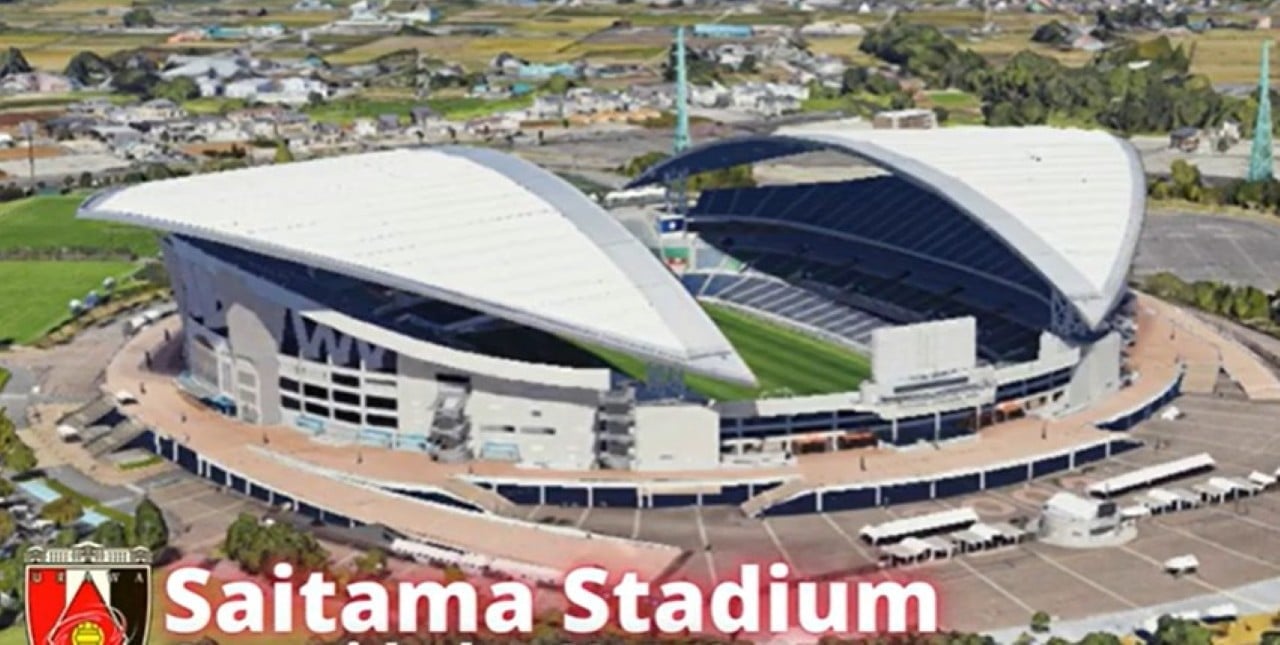
The Saitama 2002 stadium is the largest dedicated exclusively to football in the Japão and has a capacity for 63,700 people. Ele serves as the home ground of J-League team Urawa Red Diamonds. The new infrastructure aims to significantly reduce the time spent by fans getting to the venue on game days.
The closest current station is 1.2 kilometers from the stadium. Ônibus temporary vehicles only travel in one direction during matches. The extension of the line will change this scenario with stops limited to the new station on event days.
Railway line extension project includes two new stops
The extension covers about 7.2 kilometers from Urawa-Misono station. Ela arrives at station Iwatsuki on line Tobu Urban Park. An intermediate station will also be built in the region of Ukai in Iwatsuki.
Station Saitama Stadium will function as a temporary stop and will only receive trains on game days. The walking distance to the stadium will be approximately 15 minutes shorter than it currently is. The connection with the Tobu line will allow more fluid travel for fans from different regions.
Reduced travel time benefits fans and regional connectivity
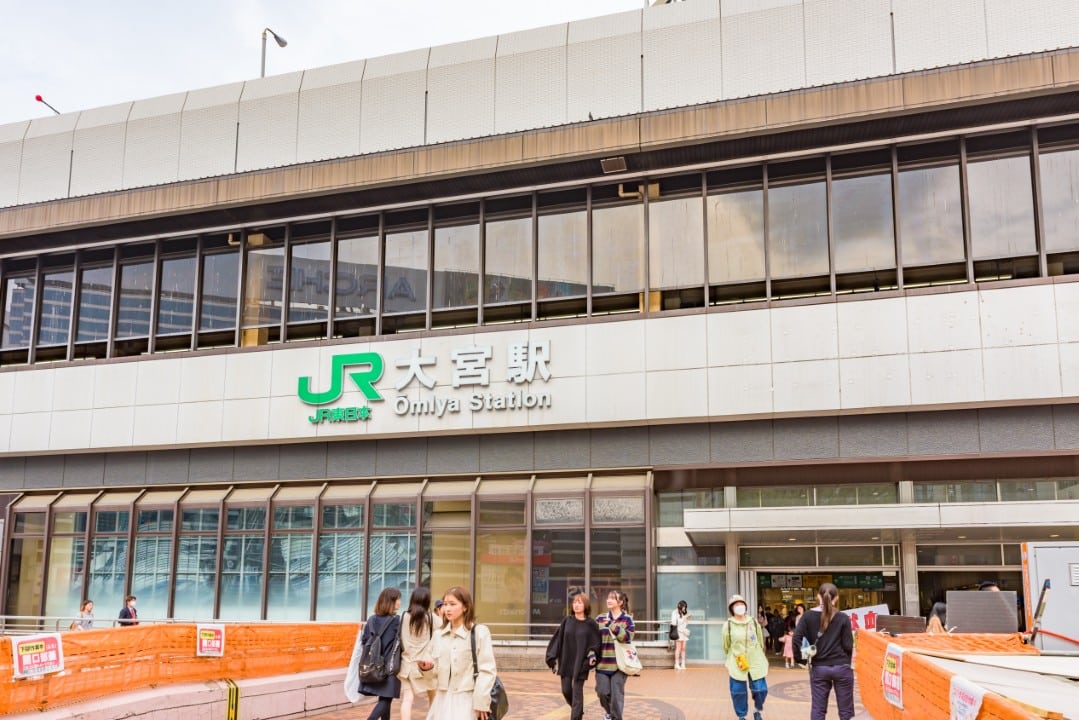
Travel time between Omiya and the Saitama 2002 stadium is expected to drop from 31 minutes to around 22 minutes. Atualmente route requires transfers at stations such as Minami-Urawa and Higashikawa. The new configuration simplifies the route with transfer in Iwatsuki.
Fans coming from Tóquio via the Namboku metro line will have more convenience. The Saitama Rapid Railway line now allows direct connection with the center of the Japanese capital. Essa improvement should attract more audiences to Urawa Red Diamonds games.
The project also meets the club’s long-standing demands for better transport infrastructure. Campanhas of signatures carried out by Urawa Red Diamonds several years ago reinforced the need for changes. The local population and visitors will gain more efficient mobility options.
Financial details and schedule of the railway venture
The estimated cost for the extension reaches 144 billion yen. The calculated cost-benefit ratio is 1.2. The financing will be divided into three equal parts between the national government, local entities and the railway and transport institution.
The share of local entities will be divided with 35% for the city hall of Saitama and 65% for the city of Saitama. The projection indicates that the accumulated financial balance will be positive 27 years after inauguration. Urban planning approvals are scheduled for fiscal year 2029 or later.
The anticipated construction period lasts 14 years from the certification of the rapid service improvement plan. The target date for opening the extension is April 2041. The city of Saitama intends to make a formal request to implement the project to operators by the end of March this year.
The extension resolves part of the transportation gap in the northeast region of Saitama. The connection with the Tobu Urban Park line expands options for residents of Iwatsuki. The project contributes to the integrated development of the metropolitan area.
- 15 minute reduction in walking time to the stadium
- Total time from Omiya to the stadium drops to 22 minutes
- Exclusive stop on game days at the temporary station
- Improvement in the connection with the center of Tóquio via line Namboku
History of demands for better access to the stadium
Urawa Red Diamonds has been defending the extension of the line and the installation of a nearby station for many years. The club organized signature collection campaigns that gathered thousands of supporters. Essas initiatives were delivered to city hall and city authorities on different occasions.
Difficult access has always been highlighted as a critical point for the stadium, which opened in 2002. At the time of FIFA’s Copa and Mundo, the venue already received a large audience but depended on indirect routes. The problem has persisted since then and affects both local fans and visitors from other cities.
The Urawa-Misono station was built as the line’s terminus in 2001 exactly to serve the stadium. Mesmo so the 1.2 kilometer distance requires physical effort especially on days with large crowds. Temporary buses help but do not completely solve demand during peak hours.
Impact on regional connectivity of Saitama with the new infrastructure
The extension of Linha Saitama Rapid Railway changes the transport map of the northeast region of the city of Saitama. Moradores from Iwatsuki will gain direct access without transfer to the center of Tóquio via line Namboku. Essa change facilitates daily commutes and also trips to events at the stadium.
The project integrates different railway systems and creates new mobility flows. The region between Urawa-Misono and Iwatsuki is no longer considered a railway empty area. Torcedores from other cities in the prefecture and from Tóquio will have faster and more comfortable options to get to the games.
The temporary station Saitama Stadium will only be activated when there are matches or large events. Essa feature optimizes infrastructure usage without burdening normal daily operations. The planning considers the typical seasonal flow of a dedicated football stadium.
The Saitama 2002 stadium continues to be a national reference in sports. Sua capacity and structure place it as the main arena for high-level games in Japão. Improving access should further enhance the spectators’ experience and the prestige of the venue.
Technical characteristics of the temporary station Saitama Stadium
The new stop will be positioned between the current Urawa-Misono and the planned intermediate station at Ukai. Trens of the extended line will make a selective stop only on days of activity at the stadium. Essa configuration avoids unnecessary impact on the regular operation of the system.
The project includes feasibility studies that confirm technical and economic viability. The exact location was defined to minimize the distance to the stadium’s main entrance. Detalhes of construction and signage will still be refined in the next approval stages.
The city of Saitama and the city hall work together to expedite the next steps of the project. The formal request to operators must occur soon to maintain the expected schedule. The advance represents an important achievement for sport and local mobility.



