
Square Enix ends exclusivity and confirms end of Final Fantasy VII trilogy on all platforms

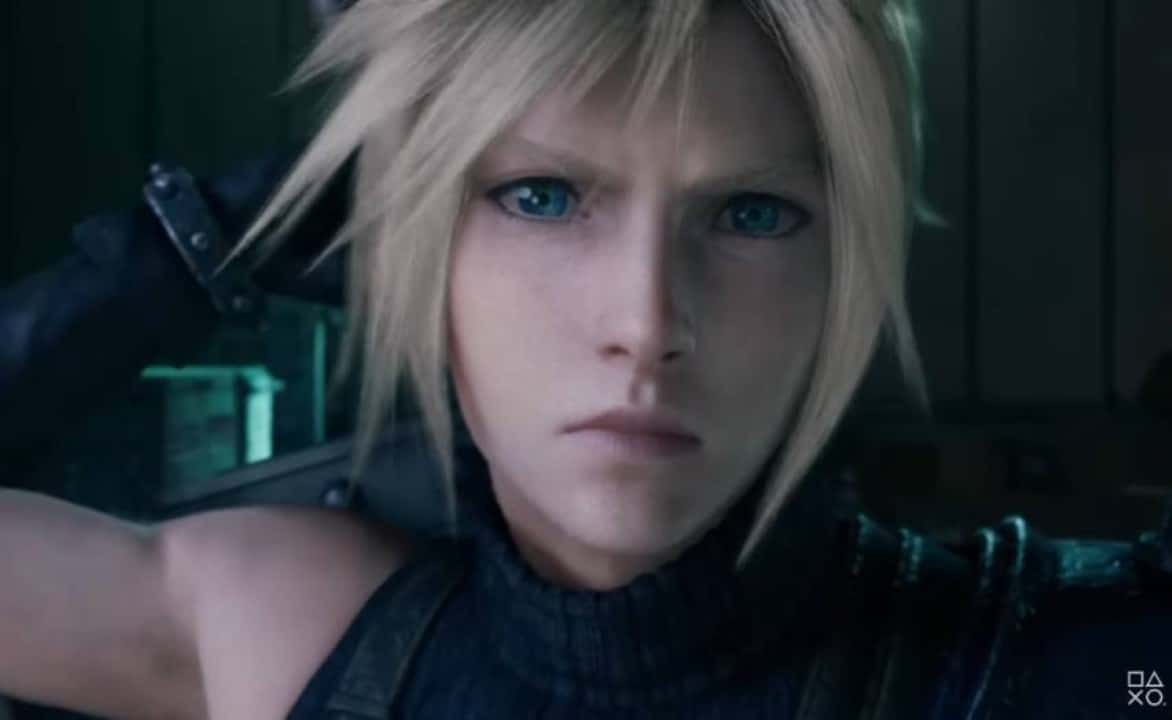
Square Enix has officially made a historic change in its distribution strategy to conclude the Final Fantasy VII Remake trilogy. The third and final chapter of the saga will be released simultaneously for Xbox, PC and PlayStation, eliminating the temporary exclusivity model that marked the franchise’s previous titles and redefining players’ access to the outcome of the story.
This decision represents a significant departure from the long-standing partnership with Sony, which guaranteed exclusivity windows for previous games in the series. The new approach aims to maximize the financial return on high-budget productions, ensuring that the title is available to the largest installed base of users possible from the first day of sale.

The change in guideline comes after market analyzes indicated that exclusivity limited the sales potential of recent launches, such as Final Fantasy XVI and Final Fantasy VII Rebirth. The publisher is now seeking to recover development costs in a more agile way, investing in a global presence in multiple ecosystems simultaneously.
Technical evolution with Unreal Engine 5
For the final chapter, the development team confirmed the migration to the Unreal Engine 5 graphics engine, aiming to raise the visual and technical level of the experience. The updated tools will allow for greater detail in scenarios and characters, in addition to enabling more complex exploration mechanics that were not viable in previous iterations of the project.
One of the technical highlights mentioned is the complete implementation of the Highwind aircraft, which will offer free navigation around the world map. Unlike past games where movement was segmented, the new system promises seamless, integrated exploration, utilizing the speed of modern SSDs to eliminate loading screens during global travel.
PC optimization has also been prioritized, with native support for upscaling technologies like DLSS and FSR since launch. The studio guarantees that the computer version will receive the same attention as the console versions, avoiding the technical problems that affected the company’s previous ports.
Narrative and connection to legacy
The script for the third game promises to answer all the questions raised in Remake and Rebirth, connecting the events of the new trilogy with the film Final Fantasy VII: Advent Children. The developers reinforced that, although there are changes to the timeline, the emotional core and central themes of the original 1997 work will be respected and concluded in a coherent way.
The narrative will not only serve as an end point for the journey of Cloud and his allies, but also as a validation of the “remake” concept proposed by the trilogy. The promise is that the outcome will offer a satisfactory resolution for both veteran fans and new players who discovered the universe through this project.
Impact on the gaming market
The inclusion of the Xbox ecosystem at launch marks a moment of rapprochement between Microsoft and Japanese RPG developers. The immediate availability of the title on the American console signals a normalization in commercial relations, benefiting consumers who previously had to wait months or years to access this content.
Industry analysts point out that this move by Square Enix could influence other publishers to reconsider exclusivity contracts for AAA titles. With production costs reaching record highs, the need for robust initial sales across all platforms becomes a determining factor for the sustainability of large franchises.



