
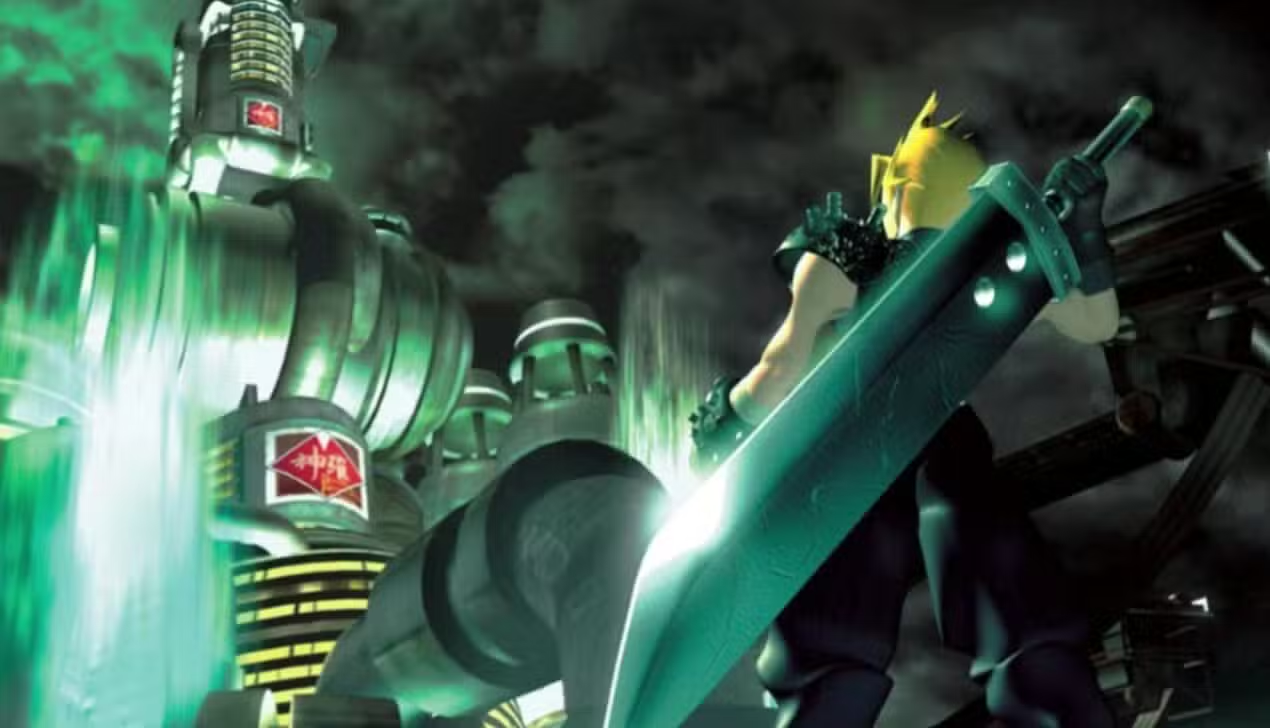
Square Enix made a profound structural change to the computer version of one of its most iconic RPGs, completely modifying the game’s infrastructure on the Steam platform. The update, which reached users automatically, replaced the compilation originally available in 2013 with a new version based on more recent ports for consoles. Embora The stated intention was to modernize the user experience and fix runtime issues on current machines, the change resulted in a critical incompatibility with progress files stored locally and in the cloud.
Players who had active campaigns, some with dozens of hours of dedication, reported being unable to load their games after installing the new data package. The developer did not include a native migration tool within the game interface, creating an immediate technical barrier. To overcome the situation, the community has had to resort to manual file manipulation methods or, in many cases, accept the total loss of progress and restart the narrative from the beginning.
Replacing executable files also directly impacted integration with the Valve ecosystem. The new format requires all game content to be downloaded again, discarding the previous installation. Essa restructuring aims to eliminate dependence on old launchers and profile validation systems that have become obsolete, but the abrupt transition without clear advance notice of the break in compatibility has generated significant frustration among consumers using the platform.
The situation has raised debates about data preservation in digital environments controlled by automatic updates. Enquanto the modernization of legacy software is necessary to guarantee functionality in operating systems such as
New technical features and accessibility tools
The update implemented by the Japanese company is not just limited to compatibility issues, it also brings a series of quality of life improvements that were previously restricted to re-releases for modern consoles and mobile devices. The main focus of these additions is to speed up the pace of the game, which originally has a slower cadence typical of titles from the late 1990s. The introduction of an accelerated speed mode allows the speed of exploration and combat animations to be tripled, making it easier to consume the story.
In addition to speed, the option to disable random encounters on the world map and in dungeons has been introduced. Essa functionality offers players the freedom to explore scenarios without constant interruptions for smaller battles, allowing for a greater focus on narrative and puzzle solving. The technical modernization package also includes:
– Suporte improved for widescreen resolutions and high refresh rate monitors.
– Native Compatibilidade with modern controls via the XInput standard.
– Ferramentas of cheats built in to maximize attributes and resources instantly.
These changes aim to make the title more accessible to a new generation of players who may not have the time commitment required by the game’s original design. The adaptation to the XInput standard is particularly relevant, as it resolves old button mapping issues that required third-party software for Xbox and PlayStation controls to work correctly in the 2013 version.
Impact on the modding and customization community
One of the most severe side effects of the update was the almost total destruction of the modification ecosystem created by the community over the last decade. The 2013 version had a file structure that was extensively mapped by enthusiasts, allowing for the creation of substantial graphical improvements, such as replacing pre-rendered backgrounds with high-definition versions, updated character models, and orchestrated soundtracks.
The new directory structure and encoding format of the executable prevent mod injection tools from working. Specialized Fóruns and community hubs at
Mod developers now face the challenge of decoding the new architecture to adapt their creations. Esse process could take months, leaving the player base without access to the visual improvements that many consider essential to the definitive classic experience on PC. The lack of prior communication about the architecture change prevented the community from preparing or creating backups of the modified versions before the forced update.
Catalog unification and preservation strategy
The move by Square Enix reflects a clear commercial strategy of standardizing its legacy catalogue. By aligning the PC version with the editions available on current consoles, the company simplifies future technical support and reduces the costs of maintaining multiple different builds of the same game. Maintaining the original version is vital for the company, which seeks to keep interest in the franchise active in parallel with the release of chapters of its remake projects.
This unification ensures that the product remains commercially viable and functional on hardware that has not yet been released, removing old code that could cause instability. However, the episode serves as a case study on the challenges of digital preservation. The replacement of a functional version, even if old, with a new one that breaks the continuity of the user’s progress, demonstrates the tension between the convenience of digital distribution and effective ownership of game data.
For the consumer, the update brings a mix of undeniable technical benefits and serious operational inconveniences. The expectation now falls on possible future fixes that could restore the ability to import old saves or on the fan community, which has historically been responsible for creating preservation and correction solutions that the official developer fails to provide.