Controversy erupts as Minas Gerais’ 2025 rain damage budget plummets 95%, state points to new accounting Por Luís Pereira
5 min de leitura
|
Controversy erupts as Minas Gerais’ 2025 rain damage budget plummets 95%, state points to new accounting
The state of Minas Gerais faces significant questions regarding its commitment to flood prevention and response, following a reported reduction of over 95% in allocated funds for rain-related disaster support between 2023 and 2025. This drastic cut in specific spending has sparked debate, with the state government defending its budgeting strategy by citing a new accounting methodology.
Siga o Mix Vale no Google e veja nossas notícias primeiro
Officials from the state executive contest the interpretation of these figures, asserting that overall investments in disaster prevention have actually increased. They explain that specific budget items have undergone reclassification, which, according to them, provides a more comprehensive and streamlined approach to managing resources dedicated to emergency preparedness across various types of occurrences.
Deep dive into funding shifts
Data analysis reveals a stark contrast in funding allocated directly to combating and responding to rain damage. In 2023, the amount earmarked for this purpose stood at R$ 172.6 million. However, projections for 2025 indicate a dramatic drop to just R$ 8 million.
This nearly complete withdrawal of direct funds represents a nominal decrease of R$ 164.6 million over two years, focusing solely on the specific budget line for rain-related incidents. The change has raised concerns among various stakeholders about the state’s immediate capacity to address localized flooding and its aftermath effectively.
Government’s defense: A new accounting framework
The Minas Gerais state government has issued an official statement refuting claims of reduced investment in disaster prevention. For 2025, the administration highlights a consolidated budget of R$ 1.9 billion allocated for general disaster prevention.
This broader allocation is intended to cover a wide array of potential emergencies, including but not limited to floods, landslides, and other climatic events. The government emphasizes that grouping these expenditures under a unified accounting logic aims to improve resource management and strategic planning.
The administration contends that focusing solely on the specific ‘rain damage’ category presents an “absolutely equivocal” picture, as it fails to account for the totality of public funds directed towards disaster readiness. This reclassification, they argue, allows for greater flexibility and efficiency in deploying resources where they are most needed.
Broader prevention investments and local responsibilities
Under the updated budgetary framework for 2025, the R$ 1.9 billion prevention fund is designed to bolster a range of protective measures across the state. This includes initiatives aimed at structural improvements, early warning systems, and community resilience programs that address multiple forms of natural disasters.
The state government also reiterated that, in accordance with existing legislation, the primary responsibility for overseeing irregular construction and implementing urban containment works rests with municipal authorities. This point underscores a distributed responsibility model, where state funds support broader prevention while local governments manage specific urban vulnerabilities.
The contested figures: A closer look at interpretation
The discrepancy between the perceived budget cut and the government’s assertion of increased investment lies squarely in the interpretation of budgetary categories. Critics point to the severe reduction in funds specifically designated for rain support as a potential weakening of immediate response capabilities.
Conversely, the state argues that a comprehensive approach, where all disaster-related funds are pooled, allows for a more robust and adaptable response system. They believe that this new classification provides a clearer overall picture of their financial commitment to citizen safety.
The debate highlights the complexities of public finance, where accounting methods can significantly alter the appearance of resource allocation. Understanding the full scope of these reclassifications is critical for assessing the true impact on disaster preparedness.
Implications for disaster preparedness
Such significant budgetary reclassifications, even if intended to streamline management, can create uncertainty regarding the immediate availability of funds for specific, rapidly unfolding crises. The distinction between general prevention and specific emergency response funds is crucial, especially in a state frequently impacted by heavy rainfall and its consequences.
Effective disaster preparedness relies not only on overall funding but also on clear, accessible pathways for deploying resources rapidly and precisely. The transition to a new accounting system necessitates rigorous communication and transparency to ensure that emergency services and affected communities are confident in the state’s ability to respond.
Past flood events highlight ongoing challenges
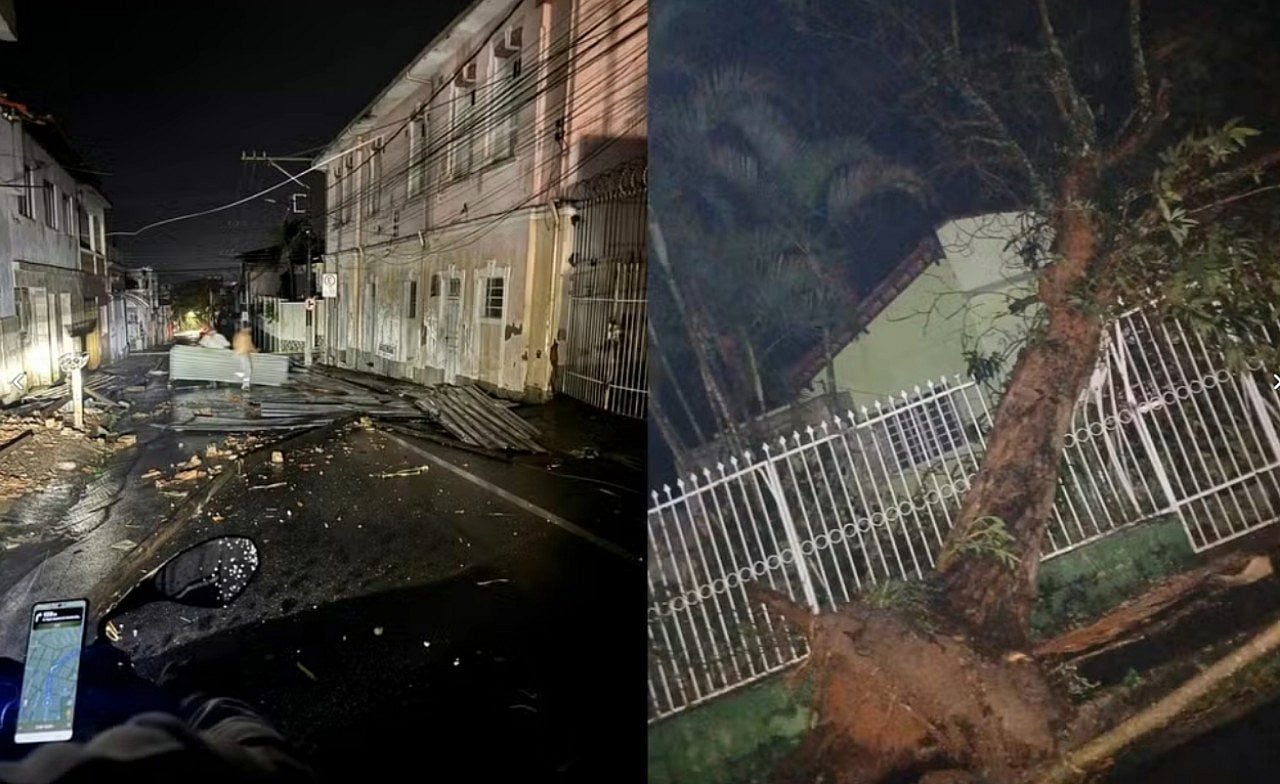
Minas Gerais has a history of severe weather events, with past incidents involving hospital inundations and streets turning into torrents, particularly in cities like Juiz de Fora. These events underscore the critical need for consistent and clearly identifiable funding for rapid response mechanisms. The reclassification of funds may shift the focus, but the underlying vulnerability to extreme weather persists.
Minas Gerais, flood budget, disaster prevention, state funding, new accounting, rain damage