

The provincial government of Saitama and local municipal authorities have formalized a historic agreement to expand transportation infrastructure in the northern metropolitan region of Tóquio. The project, which involves a massive investment of public and private capital, aims to extend Linha Ferroviária Rápida from
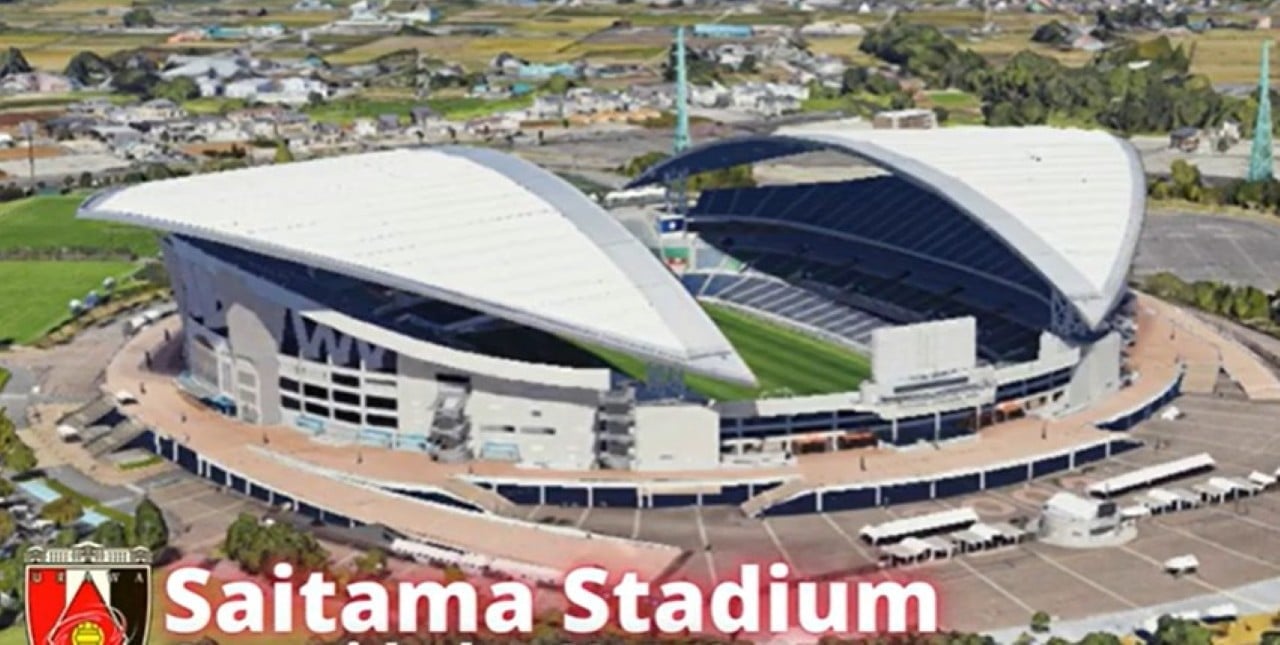
The officialization of the plan marks a turning point in the urban development of the area, which is home to one of the most iconic stadiums in the country, the stage for the Copa of the 2002 Mundo and home to the Urawa Red Diamonds club. With the new configuration, the railway line will gain an extension of approximately 1.2 kilometers, creating a new terminal station adjacent to the sports complex. The central objective is to transform the visitor experience, ensuring quick and safe access, in addition to promoting the economic growth of residential and commercial areas surrounding the new infrastructure.
Urban planning experts point out that the work not only benefits football fans, but serves as a catalyst for real estate appreciation and attracting new businesses to the region. The direct connection with the Tóquio metro network, through the interconnection with Linha Namboku, allows the flow of passengers between the capital and the suburbs to be optimized, reducing road congestion and dependence on chartered buses on game days.
The preliminary schedule established by the authorities indicates long-term planning, with rigorous environmental licensing and expropriation stages. Heavy construction work is expected to begin around fiscal 2029, after completing all bureaucratic procedures and obtaining the necessary regulatory approvals. If progress goes according to plan, the official opening and start of commercial operations of the new station are projected for April 2041, ushering in a new era for local mobility.
Financial details and economic viability
The cost analysis of the project was one of the most debated points during the feasibility study phases. The total budget for carrying out the railway extension was set at 144 billion yen. Este amount covers everything from the acquisition of land to the construction of tunnels, tracks, electrical systems and the construction of the new terminal station. The value reflects the complexity of the engineering required to operate in an already urbanized area and the need to maintain the seismic safety standards required in Japão.
To ensure the financial sustainability of the project, a cost-sharing model was established between the local government and the system operator. The city of Saitama will assume the majority of the investment, being responsible for around 65% of the total financing. The railway company, in turn, will pay the remaining 35%. Esta division was agreed based on projected social benefits and the expected increase in fare revenue resulting from greater passenger volume.
Economic impact studies carried out before final approval demonstrated that the project has a positive cost-benefit ratio. The viability index was calculated at 1.2, which means that the social and economic returns exceed investments made in the long term. Além In addition, the financial projection indicates that the project will begin to generate an accumulated surplus approximately 27 years after the start of operations, ensuring that the infrastructure does not become a burden for taxpayers in the following decades.
Impact on event logistics and security
The main motivation for the work lies in the need to improve the flow of crowds during large events. Atualmente, the 2002 Saitama Stadium, with a capacity for over 63,000 spectators, requires visitors to walk approximately 15 to 20 minutes from the current station, Urawa-Misono, to the arena gates. On days of rain or intense heat, this route becomes a significant obstacle, especially for the elderly, children and people with reduced mobility.
With the new station located close to the stadium, the access dynamics will undergo a radical transformation. The elimination of the walking route will allow for much more efficient public flow after the matches end, reducing dangerous crowds and making the work of security and traffic control teams easier. The change also impacts surface transportation operations, reducing demand for fleets of shuttle buses that currently congest local roads.
The planned changes to transport logistics include several direct benefits for the population and stadium-goers:
- Drastic reduction in walking time, which will drop from around 15 minutes to practically zero, with direct disembarkation at the complex.
- Reduction in total door-to-door travel time, estimated at a saving of 9 to 10 minutes for those coming from the center of Tóquio.
- Elimination of the need for complex shuttle bus operations on smaller event days, freeing up traffic on adjacent avenues.
- Significant improvement in accessibility for people with disabilities and the elderly, who will have modern infrastructure of elevators and escalators.
- Optimization of crowd control, with the dispersion of passengers occurring in a more controlled manner within the station, avoiding bottlenecks in the streets.
The new configuration should also attract more international events to the stadium, since ease of access is one of the criteria evaluated by sports federations and concert organizers. The modernization aligns the Saitama Stadium with global standards for multi-use arenas, where integration with mass transport is considered an essential requirement for efficient and sustainable operation.
Regional development and future expansion
Although the immediate focus is access to the stadium, the project carries a long-term strategic vision for the development of the province. The extension to the stadium is considered just the first phase of a more ambitious plan that envisages taking the railway line even further north, towards the Iwatsuki region. Essa future expansion, which would add another 7.5 kilometers to the network, would connect the line to the old Tobu Noda Line (now Tobu Urban Park Line), creating a new mobility axis that does not rely exclusively on radial connections with Tóquio.
The provincial government sees this infrastructure as vital to revitalizing the northern part of Saitama and combating population decline in more remote areas. By improving connectivity, it is expected to encourage the construction of new residential complexes and attract young families looking for affordable housing with easy access to employment centers. Rail integration promotes transport-oriented urban development, reducing automobile dependence and promoting a smaller carbon footprint for the region.
The completion of the extension to Iwatsuki, however, depends on the success and financial stabilization of this first stage to the stadium. Authorities have taken a cautious approach, ensuring each phase of the project is financially sound before moving on to the next. The current commitment to the stadium station therefore serves as the cornerstone for a more robust and interconnected regional transportation system designed to serve future generations.



