
New Sealion 06 debuts 175 kW electric engine and adopts autonomous driving system with LiDAR sensor

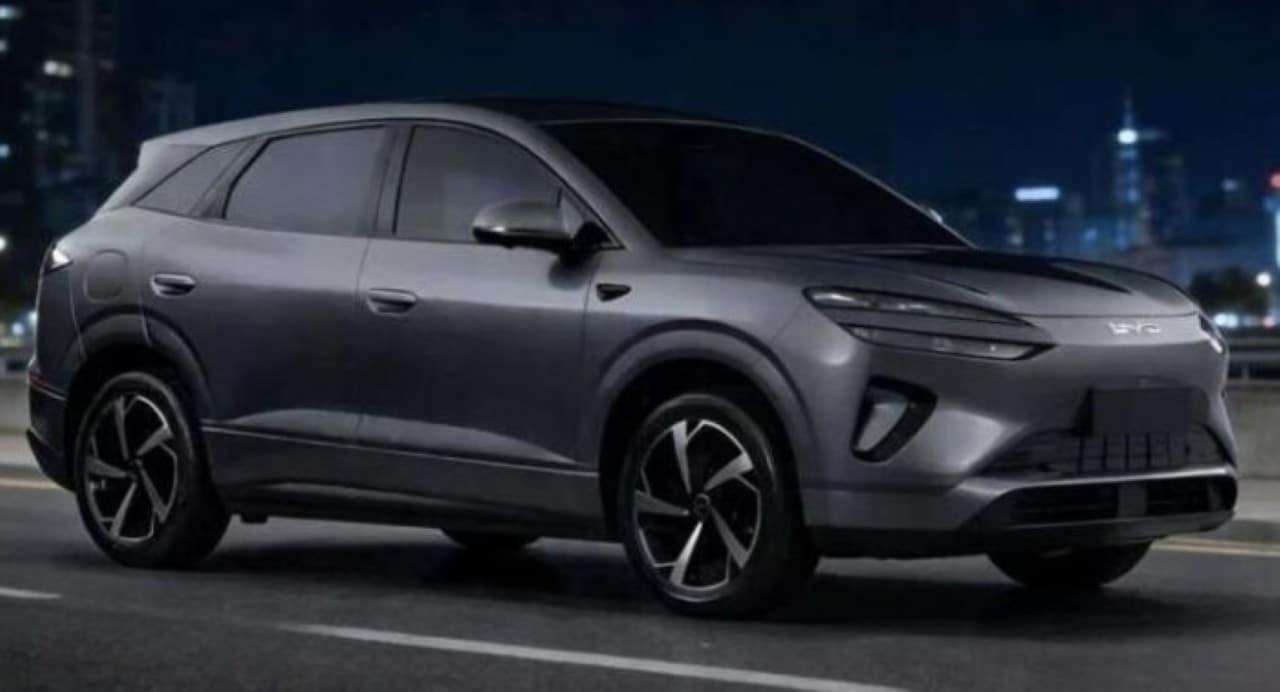
Chinese manufacturer BYD has officially announced a robust update for its hybrid sports utility vehicle, the Sealion 06 DM-i, aiming to strengthen its competitiveness in the electrified vehicle segment. The model received significant technical improvements, with a main focus on the efficiency of the powertrain and the introduction of advanced hardware for driver assistance. Essa strategic move seeks to meet a consumer profile that demands not only fuel economy, but also the most modern in active safety and dynamic performance.
Mechanical evolution and extended autonomy
At the heart of the update is the improvement of the electric propulsion system, which now features a rear engine capable of delivering 175 kW of power. Esse increase of 15 kW over the previous version was designed to offer more agile responses when restarting and ensure greater stability at highway speeds, where immediate torque is crucial for safety. The set works in synchronization with a 1.5-liter naturally aspirated internal combustion engine, which acts mainly as a power generator, maintaining high thermal efficiency.

Another highlight is the autonomy in pure electric mode, which was adjusted to cover 143 kilometers in the current test cycle. Essa capacity allows the vast majority of daily urban journeys to be carried out without the need to run the gasoline engine, providing a silent driving experience free of local emissions. Mesmo with the increase in battery capacity, which increased the vehicle’s total weight to around 1,930 kg, the brand’s engineering managed to maintain dynamic balance through adjustments to the suspension and load distribution.
Active driving and safety technology
The integration of new autonomous driving systems represents the most relevant technological leap in this new line. The vehicle is now equipped with roof-mounted LiDAR sensors, essential for the accurate operation of the DiPilot assistance system. Diferente than conventional cameras and radars, LiDAR creates a three-dimensional map of the environment in real time, allowing the car to detect obstacles, pedestrians and other vehicles with millimeter precision, even in low light conditions or adverse weather.
The processing of this data is carried out by the proprietary algorithm “God’s Eye”, which unifies information from all sensors to make safer and smoother navigation decisions. Essa advanced electronic architecture enables functions such as automatic navigation on expressways, autonomous lane changes and intelligent parking, bringing the SUV closer to higher levels of vehicle automation and raising the standard of safety for occupants.
Market and expansion perspectives
The commercial success of the Sealion 06, which surpassed the 100,000 units sold mark in just three months after its original launch, validates the automaker’s strategy of focusing on rapid product updates. Constant portfolio renewal is a tactic to maintain relevance in a saturated and highly competitive global market, where embedded technology has become the main purchasing differentiator.
For the Brazilian market, the evolution of this model is being watched carefully, given the exponential growth in sales of hybrid vehicles in the country. The combination of high electric autonomy with the safety provided by the LiDAR system positions the vehicle as an attractive option for the national scenario, where the charging infrastructure is still under development and the versatility of plug-in hybrids proves to be the most pragmatic solution for the energy transition.



