

The market for medium-sized sports utility vehicles continues to be strong, attracting consumers who seek a balance between comfort, technology and mechanical performance. Nesse scenario, imported models that offer robustness and generous internal space are preferred by families who require versatility. The second generation of one of the German automaker’s best-known SUVs, brought from the México from 2018, has established itself as a rational and powerful option in the used segment, especially due to the use of the MQB modular platform and the elongated wheelbase of 2.79 meters.
The mechanical configuration and list of standard equipment are the great attractions of this model, which can deliver refined driving both on urban routes and on highways. The availability of versions with different engines allows the vehicle to meet different driver profiles, from those who prioritize fuel economy to those seeking superior sports performance. The sober design, characteristic of the brand, hides an interior designed to maximize habitability, making it a frequent choice for those who need to transport more passengers or large volumes of luggage.
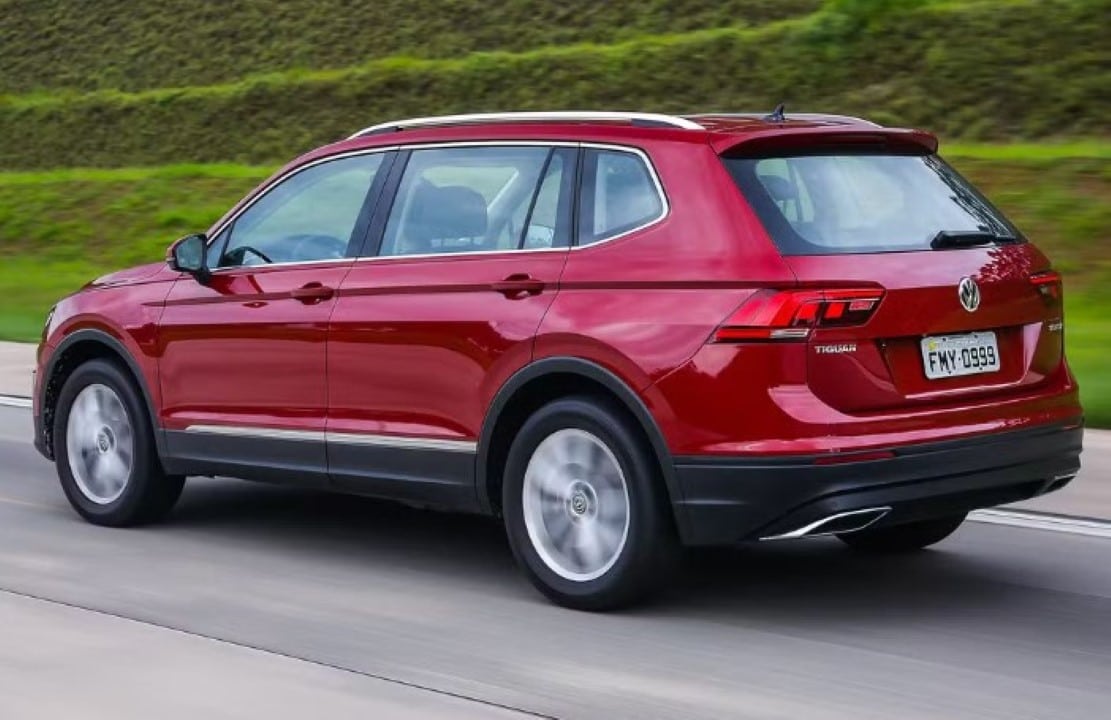
Balance between cost and benefit in the entry version
For drivers looking for energy efficiency without giving up agile response, the configuration equipped with the 1.4 TSI engine proves to be the most balanced. Este engine delivers 150 horsepower and 25.5 kgfm of torque, enough to move the SUV with ease in daily traffic. The automated dual-clutch transmission, known as the six-speed DSG, manages the power sent to the front wheels, ensuring quick and smooth shifts.
Performance data indicates that this version reaches 100 km/h in approximately 9.5 seconds, a respectable mark for the category. Além of agility, fuel consumption is a strong point, with urban averages around 10.1 km/l when fueled with gasoline. Safety is also prioritized from the most basic versions, which have six airbags, traction and stability controls, as well as three-zone digital air conditioning, offering thermal comfort for all occupants.
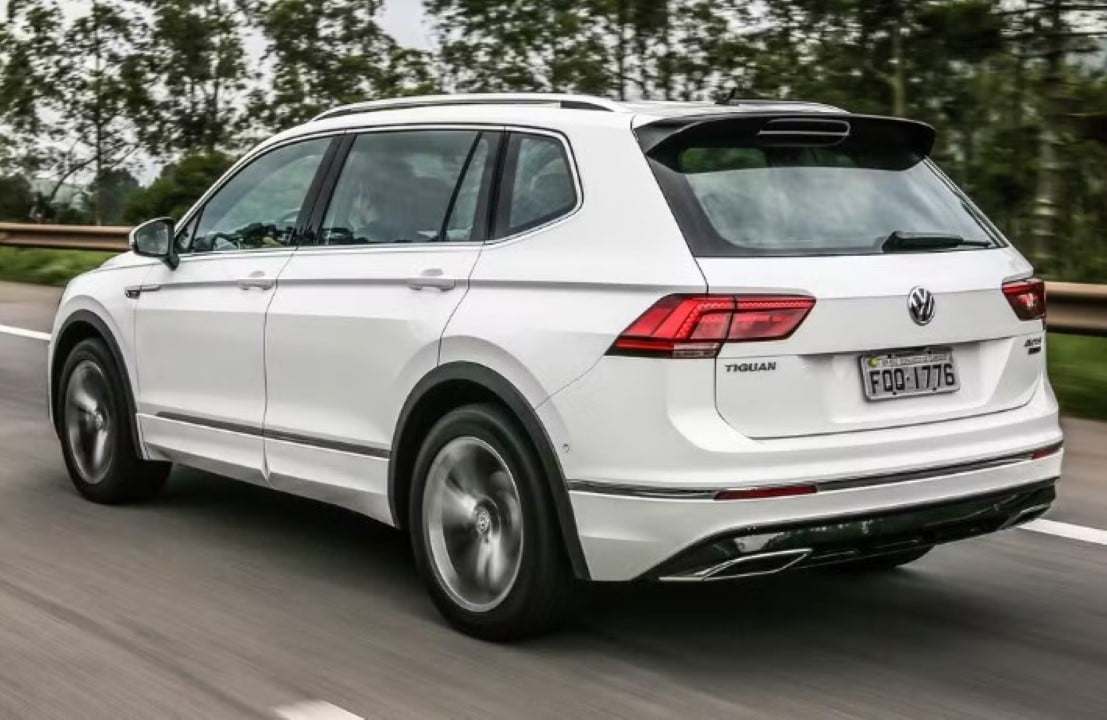
Extended versatility for large families
One of the biggest differentiators of this sports utility vehicle on the used market is the availability of a third row of seats in the intermediate version. The ability to carry up to seven passengers puts the model in an advantageous position compared to many competitors that only offer five seats. Access to the trunk and the modularity of the seats allow for different configurations, adapting the vehicle to transport people or cargo according to the needs of the moment.
When the third row of seats is folded down, the trunk volume is impressive, holding 686 liters of luggage, ideal for long family trips. Mesmo with all seven seats in use, there is still 216 liters of capacity left, which is enough for small purchases or backpacks. The total length of 4.70 meters makes it easy to accommodate all passengers, although it requires a little more attention when parking maneuvers in tight spaces, a task aided by the front and rear parking sensors.
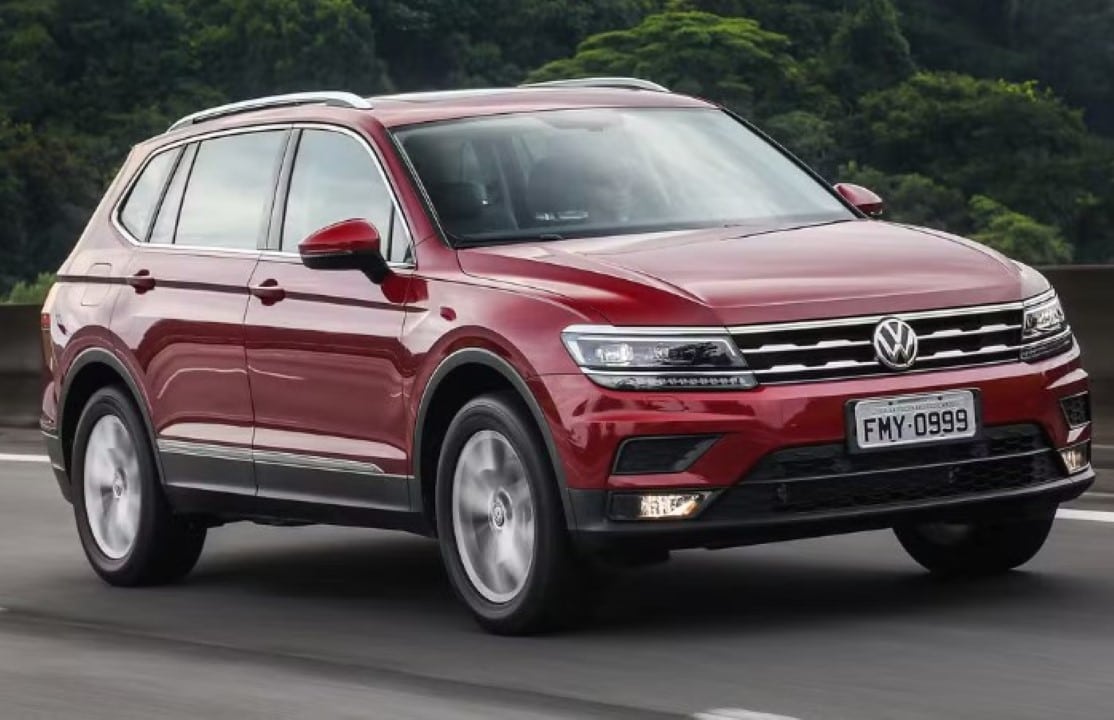
Sports performance in the top-of-the-line version
For enthusiasts who want a more aggressive driving experience, the R-Line version positions itself as the premium option in the range. Debaixo under the hood is the renowned 2.0 TSI engine, which increases power to 220 horsepower and torque to 35.7 kgfm. Diferente of the entry-level versions, this model uses a seven-speed DSG transmission and has the 4Motion all-wheel drive system, which distributes power between the four wheels to guarantee maximum grip in any situation.
Performance is worthy of a sports car, with acceleration from 0 to 100 km/h in just 7.5 seconds. The look matches the performance, with 19-inch wheels and exclusive finishes that give it a more dynamic aesthetic. The technology package is complete, including a configurable digital instrument panel, adaptive cruise control and autonomous emergency braking, raising the level of safety and convenience on board.
Necessary attention to preventive maintenance
Purchasing a sophisticated SUV on the used market requires specific care to avoid financial surprises. The DSG transmission, although efficient, requires a rigorous oil change every 40,000 kilometers to ensure its longevity and smooth operation. Negligence with this item can result in costly repairs, so checking the service history is essential before closing the deal.
Another point of attention is the suspension system, which can suffer premature wear due to the conditions of Brazilian roads and the weight of the vehicle. Buchas tray and shock absorbers must be inspected to ensure that ride comfort is maintained. Além Furthermore, as it is an engine with direct injection and turbo, the quality of the fuel used throughout the car’s useful life directly influences the health of the injection nozzles and the carbonization of the valves.
The availability of parts on the market is good, sharing components with other models of the brand, which facilitates basic maintenance such as changing brake pads and filters. However, finishing items and specific body parts may have higher costs. A detailed pre-purchase assessment by a specialized mechanic is the best way to ensure that the chosen example is in perfect condition for use.
Positioning against the competition
In direct confrontation with its market rivals, the German model has an advantage in terms of internal space and drivability. Enquanto competitors like the Jeep Compass focus more on off-road capability in their diesel versions, the Volkswagen SUV focuses on performance on asphalt and family ergonomics. The Toyota Corolla Cross, in turn, attracts with its mechanical reliability and hybrid options, but loses in terms of finishing and onboard technology when compared to the more complete versions of the German utility vehicle.
Models such as the Hyundai Tucson and the Chevrolet Equinox also compete for consumer attention in this price range, but the combination of an efficient turbo engine, quick transmission and the option of seven seats makes the Volkswagen vehicle a very rational choice. The natural devaluation suffered in the first years of use makes the purchase price of a pre-owned vehicle quite attractive, allowing the buyer to take home a higher category car for the price of a brand new compact car.



