
Update of BYD’s hybrid SUV increases electrical power to 175 kW and integrates autonomous driving

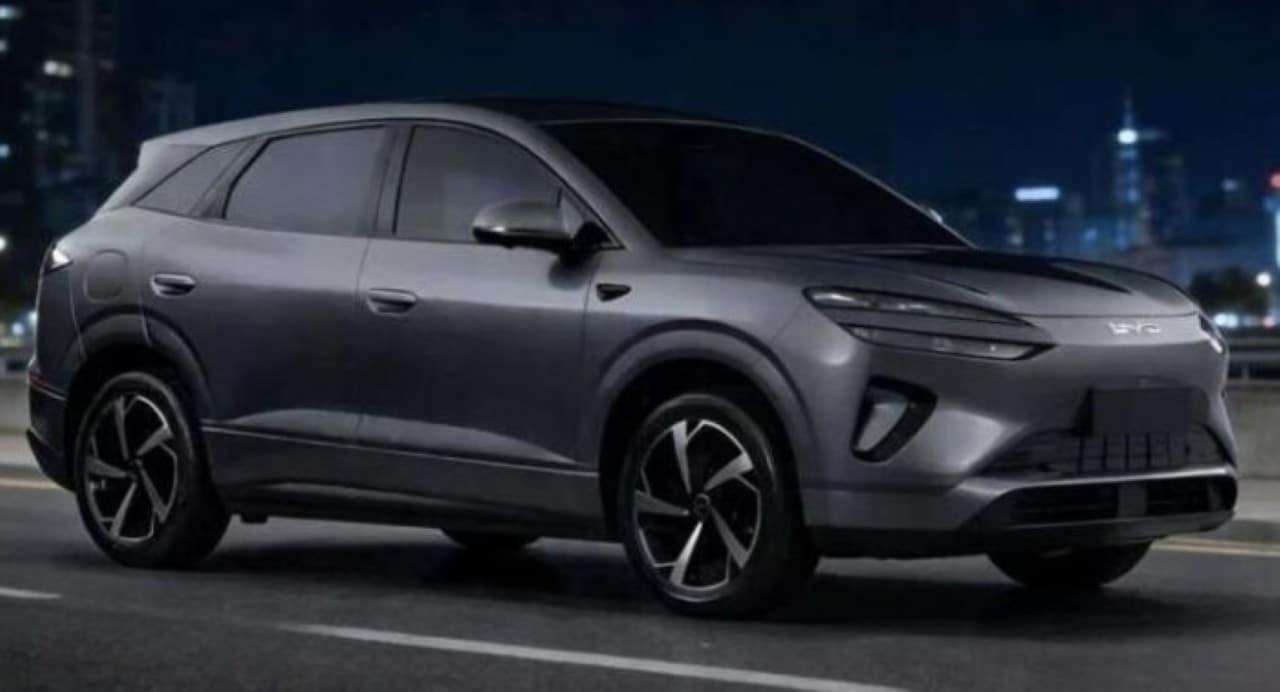
The Chinese manufacturer has made official a robust package of technical improvements for the Sealion 06 DM-i sports utility vehicle, aiming to consolidate its presence in the current market cycle. The model, which already plays a central role in the brand’s global expansion strategy, has received updates specifically focused on energy performance and assisted driving capabilities. The changes reflect the automaker’s need to maintain competitiveness in a segment where fuel efficiency and onboard technology have become decisive factors in consumer choice.
Registered under the internal code BYD6480AMHEV12, the vehicle presents a relevant technical advance within the brand’s portfolio. The update goes beyond conventional aesthetic tweaks, delving deeper into mechanical and software engineering, signaling a direct response to growing competition from Asian and Western manufacturers in the new energy vehicle sector. The strategy points to a tactical evolution of electrically assisted combustion engines, seeking the ideal balance between extended autonomy and reduced emissions.

The launch comes at a crucial time for the automotive industry, marking the definitive transition to electrified models that do not rely exclusively on fast charging infrastructure. The brand’s commitment to refining the Sealion 06 demonstrates that plug-in hybrid technology remains a vital bridge to full electrification, offering consumers a practical solution that eliminates range anxiety while delivering superior performance to traditional combustion models.
With the implementation of these new features, the automaker reinforces its technological leadership position by integrating power systems, energy management software and active safety architecture. The objective is to deliver a product that balances cost-benefit with cutting-edge innovations, maintaining the model’s commercial appeal in both emerging markets and developed economies that require strict environmental standards.
Mechanical evolution and performance data
At the heart of the SUV’s update is the reformulation of the hybrid traction system, which now prioritizes the delivery of electrical energy even more. The power of the main electric motor, located on the rear axle, has been increased to 175 kW, exceeding the previous specification of 160 kW. Esse increase of 15 kW, although it may seem subtle in absolute numbers, translates into more agile responses during overtaking and safer driving on high-speed highways, where the demand for instantaneous torque is critical.
The propulsion system works in conjunction with a 1.5-liter four-cylinder combustion engine, identified by the code BYD472QC. Este aspirated propellant delivers 70 kW of power and acts primarily as an energy generator for the batteries, only coming into direct action on the wheels in situations of high demand or cruising speed to optimize fuel consumption. The calibration of the set aims to maintain thermal efficiency at high levels, ensuring that the vehicle’s total autonomy exceeds the combined 1,000 kilometers mark.
In terms of purely electrical capacity, the updated model offers a range of 143 km in the current test cycle. Essa distance is enough to cover the vast majority of daily urban journeys without the need to activate the combustion engine, allowing the user to run in zero emission mode during the week and use the hybrid system for long journeys. The main technical specifications of the new set include:
- Rear electric motor with power increased to 175 kW.
- 1.5L aspirated combustion engine acting as main generator.
- Pure electric range of 143 km for urban use.
- Curb weight of 1,930 kg due to greater battery capacity.
The increase in battery capacity, necessary to sustain the new range and power the more powerful electric motor, impacted the final weight of the vehicle. The gross weight rose to 2,385 kg, requiring refined engineering work in mass distribution and suspension adjustment to ensure that driving dynamics and stability were not compromised, while maintaining the comfort characteristic of the brand’s utility vehicles.
Innovations in safety and autonomous driving
One of the great highlights of the 2026 line is the integration of advanced driver assistance systems, raising the technological level of the segment. The Sealion 06 DM-i now has the option of installing a roof-mounted LiDAR sensor, a key component to enable next-level autonomous driving capabilities. The presence of this hardware demonstrates the intention to democratize technologies previously exclusive to luxury vehicles or brands specializing in automation.
The vehicle’s perception system is powered by the proprietary “God’s Eye” algorithm, which processes real-time data to create a three-dimensional map of the environment around the car. Diferente than conventional cameras and radars, LiDAR allows accurate detection of depth and shapes even in low light conditions or adverse weather, significantly increasing the active safety of the automobile and the reliability of automatic braking and lane keeping systems.
The adoption of this technology aims to serve consumers who are looking for not only an efficient means of transport, but a connected smart device. Improved processing capacity allows the SUV to perform complex maneuvers semi-autonomously, such as navigating traffic jams and assisting on highways, reducing driver fatigue on long journeys. Essa evolution puts the model in direct competition with vehicles that use advanced software architectures to attract the technology enthusiast public.
Market perspectives and Brazilian context
The commercial success of the Sealion 06 is remarkable, having surpassed the 100,000 units sold mark just three months after its initial release. Esse performance validates the automaker’s strategy of positioning the model as a natural evolution of the Song PLUS family, inheriting the loyal customer base while attracting new buyers interested in greater sophistication and performance. Rapid market acceptance indicates that the high-tech, energy-efficient midsize SUV formula remains in high demand.
On the global stage, the update reinforces the Chinese manufacturer’s ambition to lead the new energy vehicle segment. The combination of competitive pricing and cutting-edge features creates a difficult barrier to entry for traditional competitors still seeking to revitalize their portfolios with the same speed and cost-effectiveness.
For the Brazilian market, the relevance of this model is strategic. With the growth in demand for electrified SUVs and the consolidation of the brand in the country, the Sealion 06 is emerging as a strong candidate for local production or large-scale import. The possibility of national manufacturing aligns with policies to encourage the green automotive industry in the Brasil, where the flex hybrid technology already being developed by the brand could be integrated into this platform, combining the efficiency of the electric engine with the sustainability of ethanol.



