
Volvo EX30 line debuts new engine and charging features to consolidate leadership in the sector


Volvo Cars has officially updated its electric vehicle portfolio, focusing on renewing the compact model that has been a key part of its global expansion. The implemented modifications aim to democratize access to electrification through a new input configuration, in addition to improving the user experience with technical and software adjustments. The Swedish automaker seeks, with these changes, to maintain competitiveness in a segment increasingly contested by new brands and emerging technologies.
The compact sports utility vehicle now has a revised engine portfolio, designed to balance performance and energy efficiency in everyday use. The brand’s engineering focused efforts on offering an alternative that maintains the agility characteristic of electric models, but with a more accessible market positioning. Essa strategy reflects the industry’s need to expand the consumer base for zero-emission vehicles.
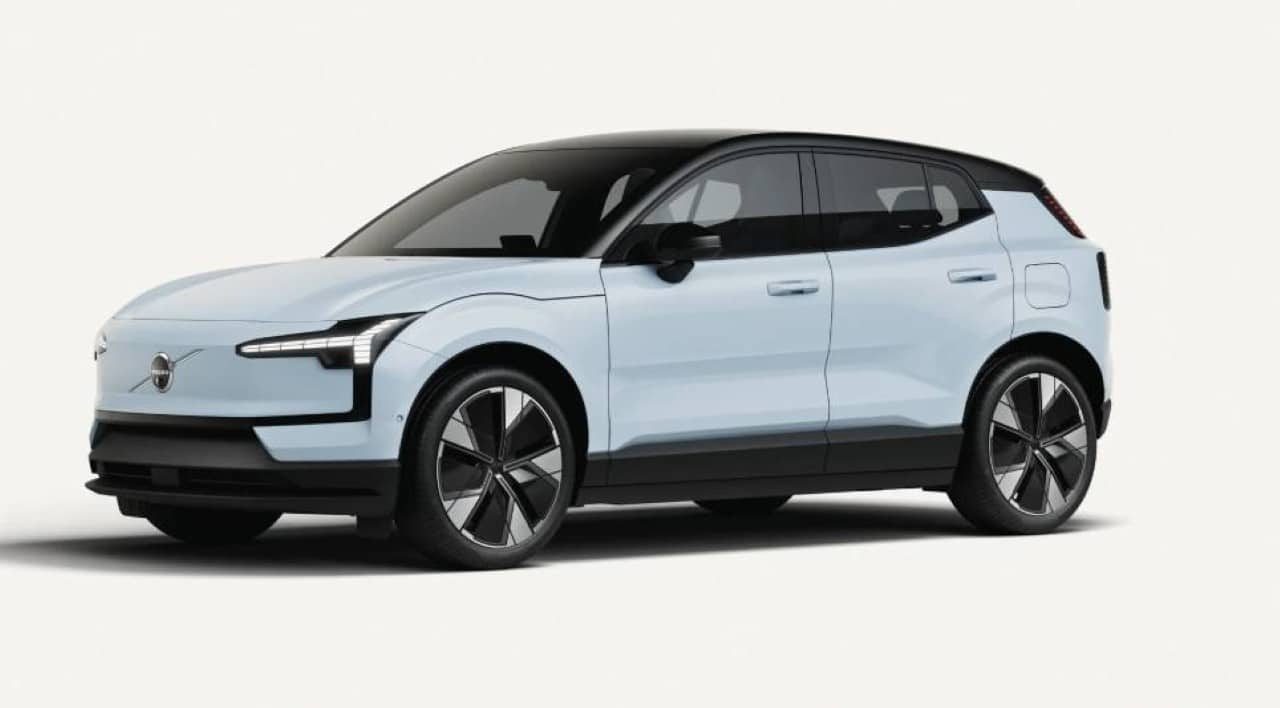
In addition to the mechanical changes, the vehicle received significant updates to its digital interface and energy management systems. The integration between hardware and software has been refined to provide more intuitive driving, responding to drivers’ demands for connectivity and ease of use. Safety, a traditional pillar of the manufacturer, remains a priority, with the maintenance of speed limiters that reinforce the commitment to protecting occupants.
New engine options and extended autonomy
The main technical novelty lies in the introduction of a 110 kW electric rear thruster, capable of delivering 150 horsepower and an instantaneous torque of 343 Nm. Este mechanical set was calibrated to offer an agile response, allowing acceleration from 0 to 100 km/h in 8.6 seconds. Embora focused on efficiency, performance remains robust for the category, with top speed electronically limited to 180 km/h, following the brand’s global safety guideline.
Flexibility in choosing batteries is a central point of this update, allowing the consumer to adapt the vehicle to their specific usage profile:
- 51 kWh battery (LFP):Utilizando the chemistry of Fosfato of Ferro-Lithium, this option is focused on durability and cost-effectiveness. With a range of up to 339 km in the WLTP cycle, it is the ideal choice for urban commutes and daily routines.
- 69 kWh battery (NMC):Composta by Níquel-Manganese-Cobalt, this battery offers greater energy density. It is aimed at users who need greater road range, increasing autonomy to up to 476 km on a single charge.
Both configurations support fast charging systems, minimizing downtime at charging stations. The thermal management of the cells has been improved to ensure component longevity and charging stability, even in adverse weather conditions.
Renewed design with a focus on sustainability
Aesthetically, the model receives updates that reinforce its Scandinavian identity and the manufacturer’s environmental commitment. The introduction of the color “Sand” to the catalogue, inspired by the natural landscapes of Suécia, offers a new visual customization option. Paralelamente, the “Black Edition” adds a tone of sportiness and sophistication, incorporating glossy black finishes on the front grille, rear view mirrors and wheels, creating a striking visual contrast.
Inside, the use of recycled and renewable materials was intensified. The use of repurposed denim fibers and compounds derived from pine oil in the cabin finish demonstrates the feasibility of combining luxury and ecological responsibility. The minimalist design is not only aesthetic, but functional, reducing production complexity and the environmental impact of components.
Advancements in the infotainment and connectivity system
The human-machine interface received special attention in this renovation. The 12.3-inch high-resolution central screen, which concentrates all the vehicle’s functions, had its layout restructured based on feedback from first generation owners. The context bar, which displays shortcuts and critical information, has been repositioned to the bottom of the display, making it easier to reach and view without taking attention away from the road.
Volvo ensured that software improvements are not restricted to new models leaving the factory. Através of the remote update system (OTA – Over The Air), vehicles already in circulation will be able to receive interface and energy management optimizations. Isso ensures that the installed base of users continues to benefit from technological innovations, extending the useful life and relevance of the car over time.
V2L functionality turns the vehicle into an energy source
The versatility of the compact SUV has been significantly expanded with the introduction of Vehicle-to-Load (V2L) technology. Este system allows the energy stored in the traction battery to be used to power external devices, transforming the car into a “battery on wheels”. Using an adapter connected to the external charging port, it is possible to connect various electronic equipment.
This functionality meets a growing demand for vehicles that integrate into users’ lifestyles, whether in leisure activities such as camping, where it can power lights and kitchen equipment, or in domestic emergency situations, serving as a temporary power source during power outages. V2L reinforces the role of the electric car as an integral part of the personal energy infrastructure.
Version Cross Country enhances off-road capability
The automaker also confirmed plans for the Cross Country variant, aimed at consumers looking for greater capacity to tackle uneven terrain. The Esta version will be distinguished by its more robust appearance, including front and rear skid plates, as well as matte black side protection panels.
Mechanically, the adventurous version will maintain the engine options of the standard line, but will feature a raised suspension and higher profile tires, suitable for traveling on unpaved roads. Traction and stability control will receive specific calibrations to optimize grip on low-friction surfaces, expanding the model’s usage horizon beyond the urban environment.




