

The world of international music faces the farewell of one of its most prolific and respected architects. Neil Sedaka, pianist, singer and composer who helped shape the sound of North American pop, passed away last Friday in a hospital unit in Los Angeles. Confirmation of the death came through an official statement from the family, ending a career that spanned more than six decades of continuous artistic production.
Medical reports indicate that the artist developed a sudden illness on the morning of February 27th, requiring immediate care from emergency teams. Transport to the hospital occurred quickly, given the severity of the symptoms presented at that time. Familiares close ones followed the entire process and were present in the last hours of the musician’s life.
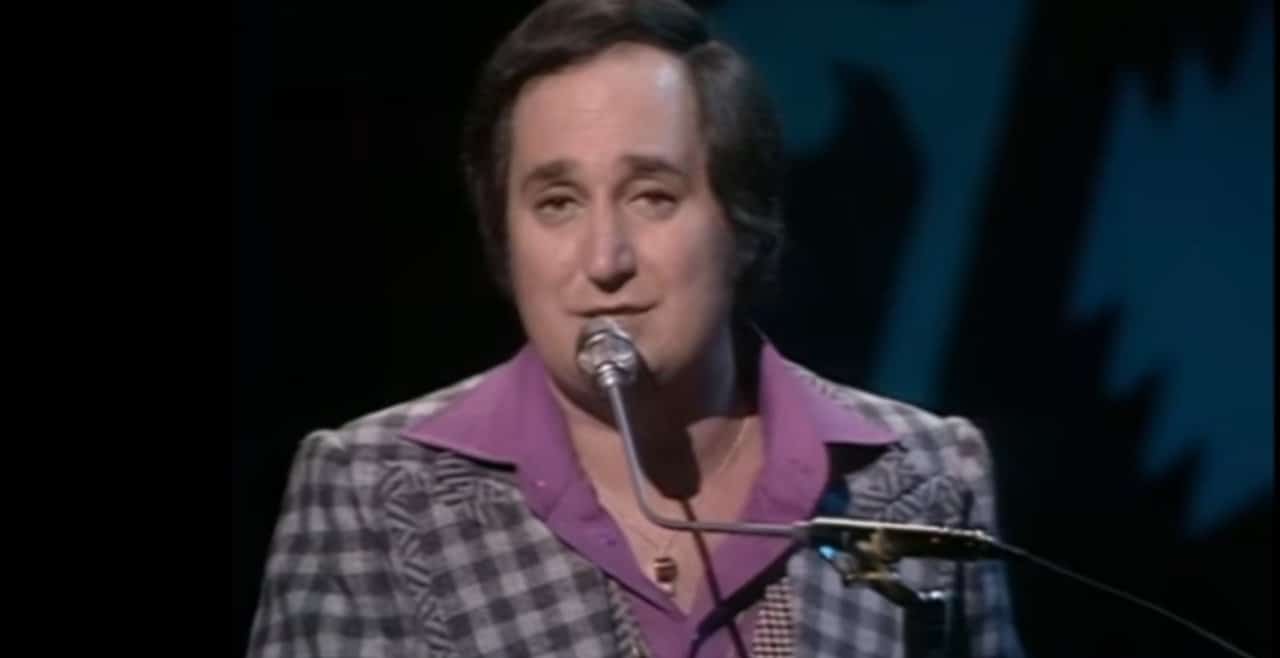
The work left by Sedaka comprises hundreds of compositions that reached the top of the charts at different moments in recent cultural history. Sua ability to adapt and create melodies that spoke to the mass public transformed him into a reference for contemporary and future composers. The artist remained active and relevant well beyond his initial commercial heyday.
Early career and meteoric rise
Neil Sedaka began his professional career at the end of the 1950s, initially standing out as a founding member of the group The Tokens. However, it was in his solo career, consolidated in the early 1960s, that he achieved global star status. The musician combined classical training on the piano with a refined pop sensibility, creating songs that defined the youthful spirit of that generation.
Among the hits that marked this period, highlights include tracks such as “Oh! Carol”, a tribute to an old girlfriend, and the hits “Calendar Girl” and “Breaking Estas songs not only dominated the radio, but established Sedaka as a teen idol and an elite songwriter in Brill Building, the famous center of Nova York’s music industry. Sua ability to mix accessible lyrics with sophisticated harmonies guaranteed the longevity of these works.
Artistic renaissance in the seventies
After a period of less media exposure during the British invasion and the psychedelia of the late 60s, the composer made an impressive return to the charts in the mid-1970s.
The release of songs such as “Laughter in the Rain” and “Bad Blood” returned his name to the top of the sales and performance charts. Esse’s second commercial peak was marked by a more mature sound, which attracted both the fans who had followed him since the beginning and a new base of listeners. Specialized critics at the time recognized this moment as definitive proof of his versatility and technical competence.
Institutional awards and honors
The entertainment industry has formally recognized the importance of Sedaka through several distinctions over the years. The artist accumulated five nominations for the Grammy, the highest award in North American music, validating the technical quality of his productions and interpretations before his peers.
In 1983, his name was included in the Hall of the Fama of the Compositores, an honor reserved only for creators who have left an indelible mark on popular culture. The ceremony highlighted not only his commercial successes, but the complex structure and melodic innovation present in his authorial catalogue.
The physical legacy of his career is immortalized in the Calçada of the Fama of the Hollywood, where he has a star. The monument in Los Angeles serves as a visiting point for admirers and symbolizes its definitive integration into the history of global entertainment, alongside other legends of the sector.
Family life and forays into television
Off stage, the musician maintained a reserved and stable personal life, marrying Leba Strassberg in 1962. The union, which lasted throughout his adult life, resulted in the birth of two children, Dara and Marc. The daughter, Dara Sedaka, followed her father’s vocation and also developed a career as a singer and songwriter, keeping the family’s musical tradition alive.
Sedaka’s presence in the media expanded beyond music, with occasional appearances on highly rated television programs. Ele acted in episodes of series such as “King of Queens” and variety shows such as “The Carol Burnett Show”, demonstrating charisma and scenic ability.
One of his most notable appearances was on the reality show “American Idol”, where he served as a guest judge in the second season. On the occasion, he evaluated new talents and publicly praised singer Clay Aiken’s version of his classic “Solitaire”.
These television appearances helped to keep his image present in the popular imagination, connecting his figure to audiences that perhaps were not deeply familiar with his discography from the 60s and 70s.
Cultural impact and re-recordings
Neil Sedaka’s influence on popular music can be measured by the number and variety of artists who have re-recorded his works over the last few decades. Suas compositions crossed genre boundaries, being performed by names ranging from pop to jazz, including rock and country. The structure of his songs, often praised by musicologists for its melodic clarity and intelligent harmonic progressions, has become an object of study and reference for budding composers. Sedaka’s catalog remains active in soundtracks for films, commercials and series, proving that the quality of his musical writing transcends the temporal context in which it was originally conceived.
Repercussion of death
The announcement of his death generated immediate expressions of grief in various spheres of society and the artistic class. Nas social networks and in official statements, professional colleagues highlighted Sedaka’s generosity and his unwavering commitment to musical excellence.
Legacy for the recording industry
The death of Neil Sedaka closes an important chapter in the golden age of traditional North American pop. Sua trajectory serves as a historical document of the evolution of the music industry, from the composition buildings in Nova York to massive stadiums and the digital age.
The collection left behind by the composer guarantees that his voice and his creations will continue to be part of global cultural daily life. The preservation of his work and the continuous discovery of his music by new generations ensure the permanence of his name in the history of art.



