

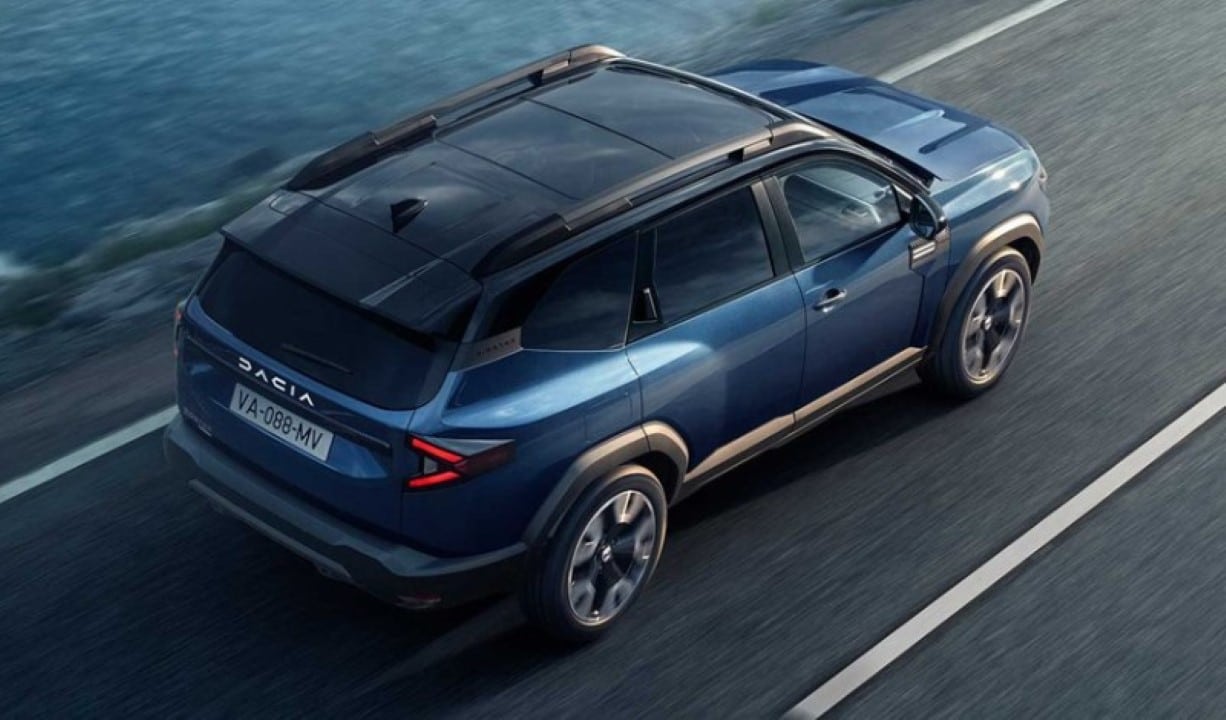
The automotive industry closely follows the strategic movements of European manufacturers aimed at electrification and energy efficiency. Dacia, known for offering vehicles with excellent value for money, is preparing a significant technological offensive for the coming years. The Romanian brand is developing a new sports utility vehicle that promises to redefine the standards of autonomy and versatility in its segment, integrating unprecedented mechanical solutions into its portfolio.
This new model, which will be positioned above the current vehicles in the range in terms of size and capacity, features a robust mechanical package. The company’s engineering focused on creating a system that combines four-wheel drive with fuel efficiency capable of allowing long trips without the need for frequent stops, meeting a growing demand for adventurous and economical family vehicles.
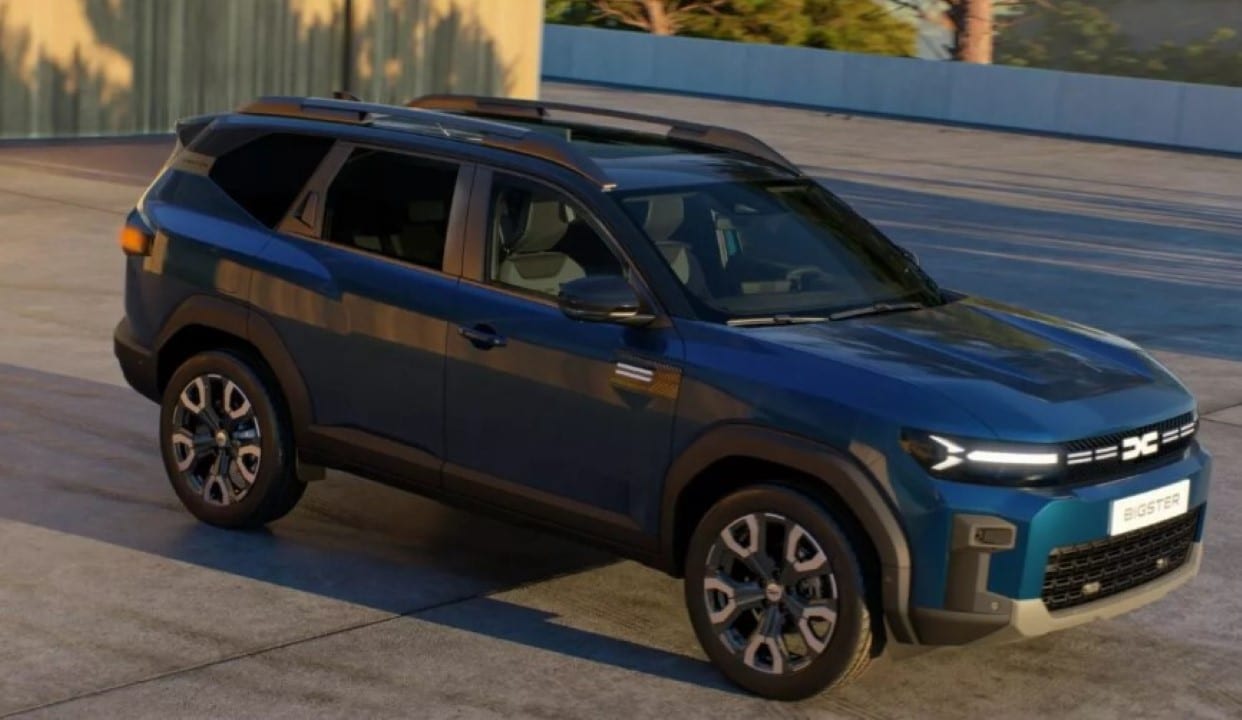
Mechanical evolution with mild hybrid system
The heart of this new project is a 1.2-liter, turbocharged gasoline engine configured with three cylinders. Este propellant was designed to operate in the Miller cycle, a technical solution that prioritizes thermal efficiency and reduced fuel consumption. Sozinho, this combustion engine is capable of delivering considerable power, but its performance is increased by integration with an auxiliary electrical system.
The technology adopted is a 48V mild hybrid system (MHEV), which uses a compact 0.84 kWh battery. Diferente of conventional hybrids that can run long distances using electricity alone, this system works by providing additional torque at critical moments, such as starting off and overtaking, in addition to powering the vehicle’s auxiliary systems. The end result is a combined power that ranges between 148 and 150 horsepower, ensuring agility even for a larger vehicle.
The transmission selected to manage this force is a six-speed dual-clutch automated transmission (EDC). Esta choice aims to optimize gear changes, making them faster and smoother, which contributes both to driving comfort and to maintaining the engine in ideal speed ranges for consumption.
Record autonomy and 4×4 versatility
One of the most impressive points revealed about the project is its capacity for total autonomy. Graças to the bi-fuel strategy, which combines gasoline with Gás Liquefeito of Petróleo (LPG), the vehicle is designed to travel up to 1,500 kilometers with full tanks. Esta mark is achieved through the addition of the two fuel tanks, allowing the driver to switch between power modes according to need or availability, without compromising internal space or trunk volume.
In addition to autonomy, all-wheel drive receives a modern approach. The e-4WD system eliminates the need for a traditional mechanical driveshaft connecting the front and rear axles. Instead, a dedicated electric motor is installed on the rear axle, which is activated electronically when the system detects a loss of grip or the need for greater traction. Isso reduces the total weight of the assembly, reduces mechanical friction and frees up space on the vehicle platform, resulting in a flatter floor for passengers.
Electronic traction management allows the SUV to tackle difficult terrain competently, distributing torque intelligently between the wheels. The system is capable of reacting in milliseconds to changes in the terrain, ensuring safety on slippery floors, snow or mud, maintaining the adventurous proposal that the brand has been cultivating in recent years.
Market context and launch
The development of this SUV is in line with future Euro 7 emissions standards, which will require significantly lower pollution levels from combustion vehicles at Europa. By investing in light hybridization and the use of LPG — a fuel that emits less CO2 and particles than pure gasoline —, Dacia is able to keep its vehicles within strict environmental rules without making the final product excessively expensive with large and heavy batteries from pure electrical systems.
This strategic model, which should reach dealerships between the end of 2026 and the beginning of 2027, represents a crucial step for the brand. Ele not only replaces diesel options that are being discontinued, but also raises the manufacturer’s technological level, offering a viable alternative for consumers looking for the robustness of a 4×4 with the economy of a compact car.



