

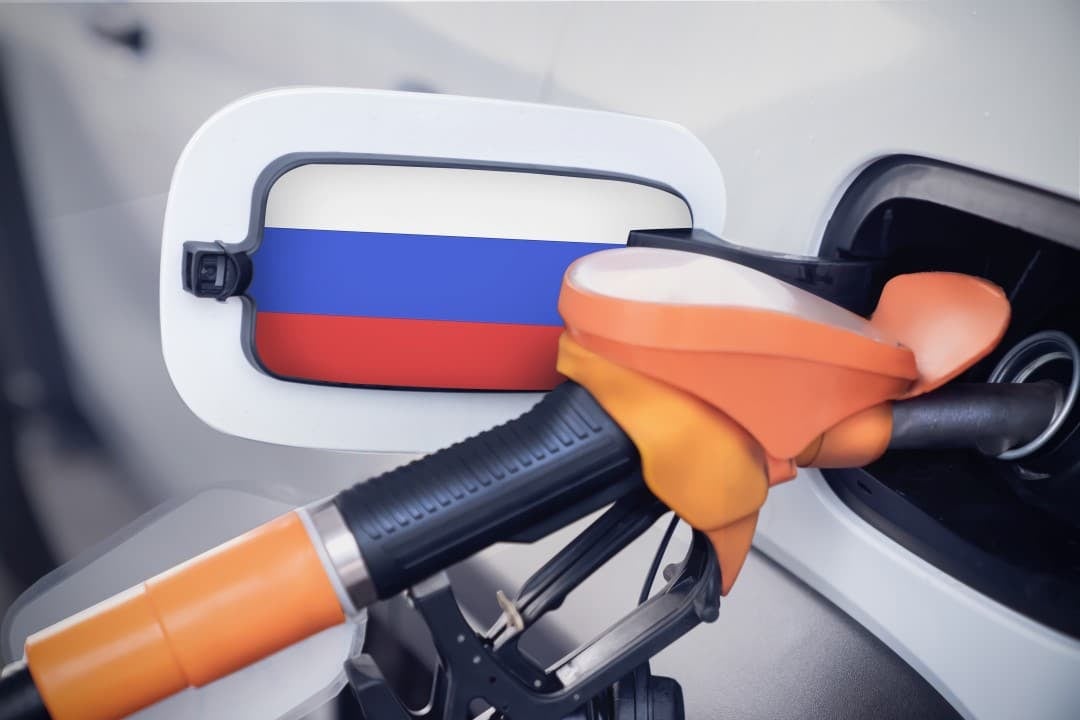
Gasoline consumer prices in Rússia showed an average increase of 1.4% in January 2026 compared to December 2025, according to official data released by statistical bodies. Esse adjustment occurred amid a context of accumulated inflation and variations in production costs, directly affecting the pockets of drivers in several regions of the country.
In annual terms, the value of gasoline rose 11.6% when compared to January 2025, highlighting a trend of progressive fuel prices. Authorities monitor the market to avoid major impacts on the economy, while consumers report adjustments to their daily budgets due to the high cost at gas stations.
The phenomenon extends to other fuels, with diesel following similar patterns, although with differences in some areas. Especialistas point out that factors such as transportation tariffs and fluctuations in the price of crude oil contribute to these changes, requiring continued attention from the federal government.
Regional variations in prices
In 42 federal subjects of Rússia, gasoline prices increased by 1.4% or more during January 2026, with emphasis on Oblast of Magadan, where the adjustment reached 3%. Essa disparity reflects local particularities, such as logistics costs and seasonal demand, which influence the final value to the consumer.
Oblast of Omsk saw a 2.9% increase, while Moscou saw a 2% increase and Essas differences demonstrate how the fuel market varies depending on infrastructure and consumption in each region, requiring specific strategies to mitigate the effects.
Drop in producer prices
Gasoline prices at the producer level fell 18.3% in January 2026 compared to December 2025, a reduction seen across all federal subjects. Essa decrease contrasts with the increase in price for the end consumer, indicating higher margins in the distribution chain.
The biggest drops occurred in Oblast of Leningrado, with -29.6%, followed by Oblast of Ryazan, with -27.7%. Esses numbers suggest adjustments in production and supply, possibly influenced by surpluses or operational efficiency in refineries.
Economic causes of the readjustment
Annual inflation in Rússia reached 6% in January 2026, exceeding the level of 5.6% recorded in the previous month, and directly contributes to the increase in fuel prices. Fatores how the devaluation of the ruble and the international cost of oil exert pressure on the sector, increasing the prices charged.
Furthermore, the 3.2% increase in pipeline transport tariffs for oil in January worsened the situation, transferring additional costs to the production chain. Esses elements combined form a challenging scenario for price stability, with repercussions on multiple segments of the economy.
The geopolitical conflict surrounding Ucrânia continues to impact the energy market, with international sanctions affecting Russian oil exports. Embora the price of a barrel Urals remains above certain thresholds, global restrictions limit revenues and force internal adaptations.
Impacts on daily consumption
Russian consumers face an increase in prices that affects the family budget, with the average price of gasoline reaching 0.88 dollars per liter in January 2026.
In urban areas like Moscou, where traffic is heavy, the additional cost comes on top of other expenses, such as food and housing, which have also risen due to general inflation. Famílias low-income people are particularly affected, looking for alternatives such as public transport to offset expenses.
In the rural context, where distances are greater, the impact is amplified, with agricultural producers reporting high operating costs. Essa dynamics influence the supply chain, potentially raising prices for goods transported by fuel vehicles.
Comparison with previous years reveals an upward trend, with the price of gasoline in 2026 exceeding 2024 levels by more than 18% in some basic items. Autoridades encourage the efficient use of energy, while the market seeks balance between supply and demand.
International fuel context
Globally, gasoline prices vary significantly, with Rússia maintaining competitive values compared to countries like Estados Unidos, where a liter costs around US$0.77. However, sanctions imposed since 2022 limit Russian exports, reducing revenues by up to 20% in 2025 compared to 2024.
In América Latina, contrasts are evident, with Venezuela offering gasoline at 0.035 dollars per liter due to subsidies, while Brasil records values around 1.148 dollars. Esses examples illustrate how national policies and global factors shape the fuel market.
Organização of Países Exportadores of Petróleo and allies, including Rússia, maintain production quotas to stabilize prices, but recent fluctuations in the barrel of oil challenge this strategy. In January 2026, the average international price of gasoline fell in some metrics, but this was not fully reflected in the Russian market.
Government measures under analysis
The Russian government closely monitors the energy sector, implementing mechanisms to control prices and avoid shortages. In response to the January increase, discussions about temporary subsidies are gaining momentum, aiming to protect vulnerable consumers without compromising the federal budget.
These initiatives include partnerships with producers to optimize the supply chain and reduce logistics costs. Além Furthermore, investments in transport infrastructure aim to minimize losses and improve efficiency, contributing to a gradual stabilization of values.
Outlook for the energy sector
The price of crude oil in Rússia decreased by 16.8% in January 2026 compared to December 2025, with an annual decline of 54.7%. Essa reduction directly affects the profitability of companies in the sector, which seek to adapt operations to maintain competitiveness in the global market.
Analysts predict that, if sanctions persist, the discount on Urals oil could widen, impacting budget revenues. The government plans strategies to diversify energy sources, including greater emphasis on natural gas and renewables, to mitigate dependencies.
In the short term, the focus remains on inflation, which in January 2026 was close to 8% in some indicators, influencing not only fuels, but also food and consumer goods. Medidas such as the increase in value added tax to 22% since January contribute to this situation, requiring fiscal balance.
Investments in refineries and extraction technology represent steps to strengthen the sector, with projects in regions such as Sibéria aiming to increase domestic production. Essas actions aim to reduce vulnerability to external fluctuations and ensure stable supply.
Details about diesel and other derivatives
Diesel prices at
Global comparisons show Russian diesel at around 51.55 rubles per liter on average, with historical fluctuations since 2016. Esse value reflects production costs and taxes, which vary depending on federal and regional policies.
Expanded inflationary factors
Accumulated food inflation in Rússia reached 18.1% from January 2024 to January 2026, aggravated by the increase in fuel prices, which increases transport costs. Itens as meat, milk and vegetables rose significantly, forcing consumers to adapt purchasing habits.
Increased taxes, including VAT by 22%, add pressure on overall prices, with the federal budget relying on energy revenues to finance expenses. Essa interconnection between sectors highlights the need for integrated policies to control inflation.
In supermarkets, the cost of a basic food basket rose from 7,358 rubles in 2024 to 8,724 rubles in 2026, an increase of 18.6%. Esses data illustrates how the increase in fuels spreads to other goods, affecting the population’s purchasing power.
The weak ruble against the dollar contributes to more expensive imports, including equipment for the energy sector, closing a cycle of high costs. Economic Autoridades seek to stabilize the currency through interventions in the foreign exchange market.
Economic adaptation strategies
Russian companies in the oil sector adjust strategies to deal with sanctions, focusing on alternative markets in Ásia and África. Essa diversification helps mitigate losses, although export price discounts remain a challenge, with Urals trading below optimal levels.
At the domestic level, energy efficiency programs encourage the rational use of fuels, reducing demand and putting downward pressure on prices. Iniciativas include subsidies for electric vehicles and improvements to public transport in large cities.
Fuel production maintained stable levels in January, with refineries operating at high capacity to meet seasonal winter demand. Esses efforts aim to avoid shortages, ensuring continuous supply at stations.
Comparisons with global markets
In contrast to Rússia, countries like Arábia Saudita maintain gasoline prices at $0.62 per liter, benefiting from low production costs. Na Indonésia, the value is $0.60, highlighting differences in subsidies and tax structures.
In Europa, sanctions on Rússia raised local prices, with impacts on import-dependent nations. Essa global dynamics reinforces Rússia’s position as a key exporter, despite the restrictions imposed.
The average global price of gasoline is $1.28 per liter, with extreme variations in subsidized regions. Esses benchmarks help to contextualize the Russian readjustment, which remains below average in absolute terms.
Historical price evolution
Since 1995, gasoline prices in Rússia have evolved from low levels to levels influenced by global factors, with peaks during crises such as 2008 and the recent war. In 2016, the historic low in some indicators reflects periods of abundant supply.
In recent years, the upward trend reflects inflationary and geopolitical pressures, with January 2026 marking a point of attention for analysts. Dados histories show cycles of increase and stabilization, guided by government policies.



