


Muslims in Paris and other regions of França follow the lunar calendar to determine the times of Ramadã in 2026.
The fast begins with the Fajr prayer, around 6:08 am, and continues until Maghrib, at which time the faithful can break abstinence from food and drink. Essa daily practice varies slightly each day due to solar movement, with times adjusting to the minute as the month progresses.
French religious authorities, such as Grande Mesquita de Paris, publish official tables to guide the community. Essas tables consider city-specific latitude and longitude, ensuring accuracy for local observers.
Details about calculating timetables
Iftar times are calculated based on the position of the sun, using astronomical methods recognized by Islamic institutions. Em Paris, civil twilight is the main criterion for the end of the fast, differing from regions further south of França where sunset can occur minutes earlier.
Specialized applications and websites update this data daily, incorporating seasonal variations. Durante to Ramadã of 2026, which occurs at the end of the European winter, the days gradually lengthen, increasing the fasting time from about 12 hours at the beginning to more than 13 hours at the end.
Daily practices during the holy month
Worshipers prepare light meals for suhur, eaten before dawn, including fruits and grains to sustain them throughout the day. Essa meal helps maintain the energy needed for daily activities, especially in a period of climate transition like February.
After iftar, many participate in the Tarawih prayer at local mosques, strengthening community ties. Essas collective prayers occur at night and involve recitations of Alcorão, promoting spiritual reflection.
Community Events in Paris
Restaurants specializing in cuisine at Oriente Médio and Norte at África offer dedicated iftar menus, with dishes such as harira and tajine. Esses establishments adapt their opening hours to coincide with sunset, facilitating family gatherings.
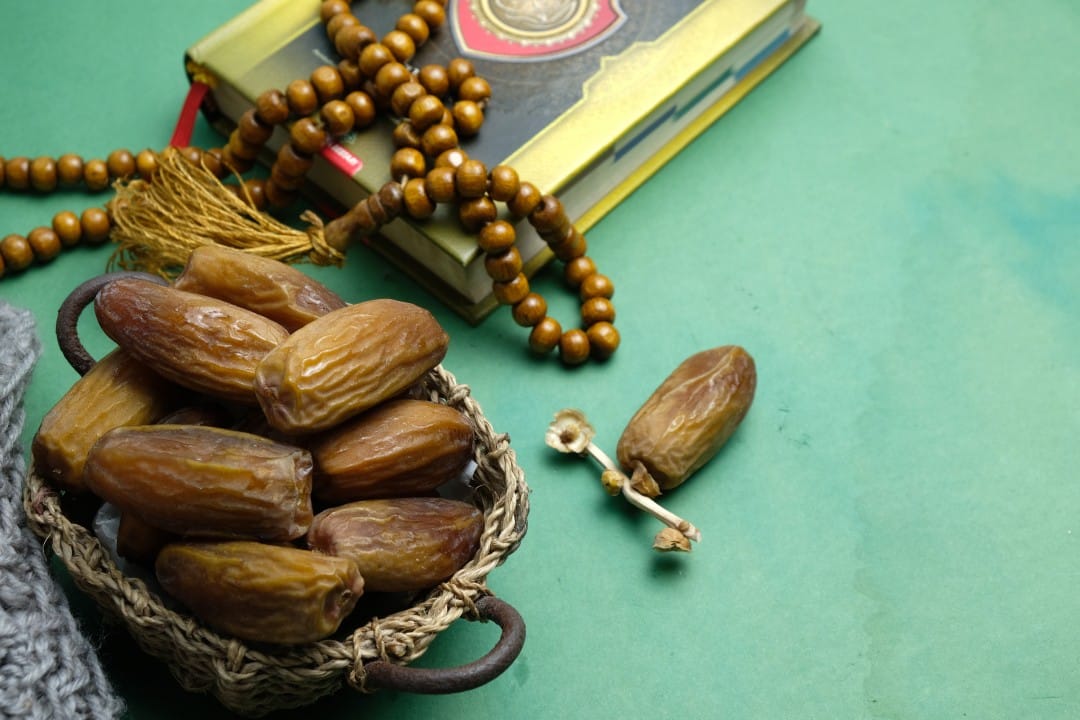
Cultural associations organize food distributions for those in need, aligning themselves with the charitable principles of Ramadã. Essas initiatives include partnerships with local markets to provide essential items such as dates and water, traditional symbols of breaking the fast.
Mosques such as Paris and Evry welcome visitors for lectures on the meaning of the month, encouraging the inclusion of non-Muslims. Esses educational events highlight the importance of tolerance and intercultural understanding in French society.
Regional variations in França
In cities like Marselha, iftar takes place about 10 minutes before Paris time due to the latitudinal difference. Essa variation requires believers to consult local calendars to avoid errors in fulfilling religious obligations.
In rural regions, smaller communities use visual observations of the sun to confirm times, complementing official tables. Essa traditional approach keeps the connection with Islamic roots alive, even in modern urban contexts.
Mobile apps integrate personalized alerts based on GPS location, making the process more accessible. Esses Technological resources especially help young people and busy professionals maintain the discipline of fasting.
Different calculation methods, such as Fiqa Hanafi and Jafria, can add or subtract minutes from standard times. Fiéis choose the method aligned with their school of thought, ensuring flexibility within the community unit.
Spiritual and health benefits
Fasting promotes self-discipline and empathy for those less fortunate, encouraging donations known as Zakat al-Fitr at the end of the month. Essa mandatory contribution is calculated based on the value of basic foods, such as wheat or rice, and distributed before the Eid prayer.
Studies indicate that intermittent fasting can improve metabolism and cardiovascular health when practiced in moderation. Médicos recommend adequate hydration during the permitted hours and balanced meals to avoid fatigue.
Daily reflection on Alcorão during Ramadã strengthens individual and collective faith. Muitos believers dedicate extra time to reading and studying, integrating ethical lessons into their daily lives.
Communities encourage mutual support, especially for the elderly and sick who may be exempt from fasting. Alternativas such as fidya, payment of compensation, allow these individuals to participate indirectly in the blessings of the month.
Preparations for the Eid al-Fitr
As Ramadã progresses, families plan celebrations for Eid, including shopping for new clothes and decorations. Mercados in neighborhoods like Barbès in Paris offer imported products to enrich the festivities.
The collective prayer of Eid brings together thousands in open spaces or expanded mosques. Autoridades locations coordinate these meetings to ensure safety and traffic flow.
- Prepare traditional sweets like baklava and maamoul to share with neighbors.
- Organize family visits to strengthen emotional bonds.
- Participate in charitable campaigns to extend the benefits of the holy month.
These preparations culminate in a day of joy, marking the end of the fast with gratitude.
Cultural influence on French society
Ramadã integrates with França’s multicultural calendar, with schools and businesses adapting schedules to accommodate observers. Políticas of inclusion promote respect for religious practices, reducing discrimination.
Local media covers the month with reports on traditions, highlighting the Muslim community’s contributions to the economy and culture. Programas television shows recipes and personal stories, expanding public understanding.
Interfaith events, such as iftars shared with Christians and Jews, foster dialogue. Essas initiatives take place in community centers, promoting social cohesion in a diverse nation.
Tips for beginner observers
Fasting beginners should start with realistic goals, consulting health professionals for preliminary assessments. Ajustes in your sleep routine helps you deal with shorter nights of prayer.
Including fiber-rich foods in suhur prevents digestive discomfort during the day. Frutas such as watermelon and leafy vegetables are recommended for maintaining hydration.
Joining online support groups connects newbies with shared experiences. Esses forums offer practical advice and spiritual motivation.
Maintaining light physical activities, such as walking after iftar, balances physical and mental well-being. Especialistas suggest avoiding intense exercise during fasting hours to preserve energy.
Complete calendar for February
The Ramadã of 2026 starts on February 18th with iftar at 6:16 pm and progresses with progressively later times. On the 20th, the end of the fast is at 6:19 pm, reflecting the lengthening of the days.
For the 23rd, iftar takes place at 6:25 pm, allowing family meal planning. Esses daily adjustments are essential to synchronize daily routines.
At the end of February, as on the 28th, the time reaches 6:34 pm, marking a notable difference from the beginning. Fiéis uses this data to organize professional appointments.
Projections for the rest of the month
In March, times continue to extend, with iftar reaching 6:50 pm around the 10th. Essa progression reflects the arrival of spring, with longer days.
Communities prepare for the Laylat al-Qadr, night of power, typically in the last ten days. Essa occasion involves intense prayer vigils, seeking multiplied blessings.
The end of Ramadã, scheduled for March 19, depends on the sight of the crescent moon. Observatórios astronomical experts assist in confirmation, aligning ancient traditions with modern science.



