

Authorities from the province of Saitama and representatives of the metropolitan transport system of Tóquio formalized a historic agreement to modernize the access infrastructure to the north of the Japanese capital. The initiative aims to resolve long-standing logistical bottlenecks and boost regional development through the extension of the high-speed rail network. The project, awaited for decades by residents and sports fans, focuses on direct connection with one of the most important arenas in the country.
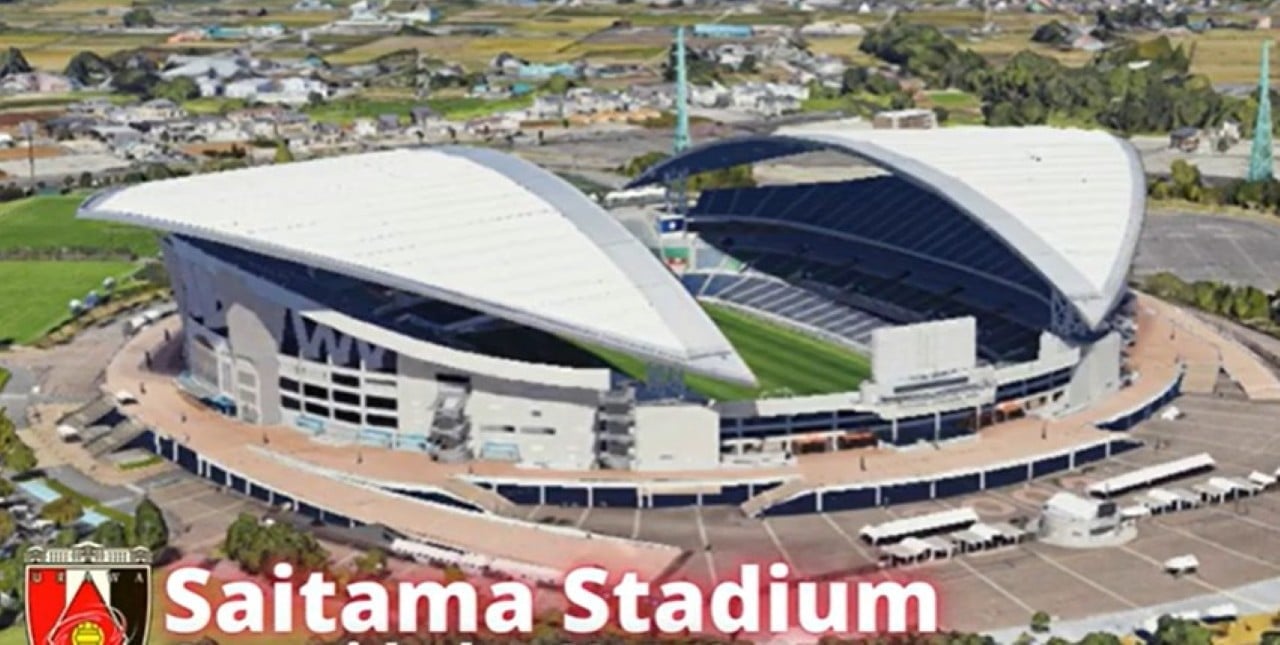
The central plan involves the extension of the Namboku metro line, allowing a continuous and efficient connection to the vicinity of the Saitama Stadium 2002. The structure, which served as one of the main stages of the Copa of the The new railway configuration promises to eliminate the need for long walks and complex transfers that currently hamper the experience for visitors.
The strategic decision not only facilitates the movement of fans, but also integrates the region in a more organic way into the urban fabric of Grande Tóquio. With official approval, the engineering schedule was defined to ensure that all stages, from environmental assessments to physical execution, occur within strict Japanese civil construction standards. The expectation is that the work will transform the real estate and commercial dynamics around the new station.
The main data of the approved project include temporal and financial milestones relevant to the infrastructure sector:
– Início of physical works scheduled for the year 2029, after completion of regulatory processes.
– Official Abertura and start of commercial operations scheduled for 2041.
– Custo total estimated at around 144 billion yen.
– Divisão of costs where the city of Saitama will bear approximately 65% of the total investment.
Impact on crowd mobility and safety
The Saitama Stadium 2002, with a capacity to receive more than 63,000 spectators, is an icon of Asian sport, frequently hosting matches for the Japanese national team and the J-League. However, current logistics present severe safety and comfort challenges. Atualmente, fans face a 15 to 20 minute walk from the nearest station to the arena gates, which creates dangerous crowds and bottlenecks in the flow of pedestrians, especially after the games end.
The new station, designed to be built in the immediate vicinity of the sports complex, will radically alter this dynamic. By allowing direct boarding and disembarking, the project aims to dilute the flow of people more efficiently, reducing the risks associated with large crowds in confined spaces. Para elderly people, families with children and people with reduced mobility, the elimination of long walks represents a significant advance in accessibility and inclusion.
In addition to improving the user experience, the direct connection to Linha Namboku is expected to attract a wider range of cultural and entertainment events to the stadium. The ease of access from the center of Tóquio makes it a more competitive location for hosting international concerts and large festivals, enhancing the use of the structure beyond the traditional sports calendar.
Economic viability and costs of the enterprise
Recent economic feasibility studies served as a fundamental basis for advancing the proposal, presenting favorable scenarios for public investment. The project’s cost-benefit index was calculated at 1.2, a positive indicator that demonstrates that social and economic returns will exceed initial expenses. Esse calculation takes into account time savings for passengers, real estate appreciation and energy efficiency provided by the expansion of the railway network.
The structured financing model to cover the anticipated 144 billion yen reflects the durability and complexity of the materials required for an underground engineering project of this size. Para To make construction viable, a model of subsidies shared between several government entities was designed, ensuring that the budget burden does not fall on a single institution and ensuring the fiscal sustainability of the project throughout the decade of construction.
Urban development and future perspectives
The rail extension is seen not just as a transportation project, but as a catalyst for urban redevelopment of the northern part of Saitama. The creation of a new station generates a center of attraction for new residential and commercial developments, transforming areas that currently function mainly as parking lots or transition spaces into vibrant housing areas.
By connecting the region directly to the center of Tóquio via Linha Namboku, the new station effectively integrates the area into the national metropolis. Isso facilitates the daily commute of residents who work in the capital, transforming the local demographic profile and encouraging the settlement of new families, which should generate a virtuous cycle of local economy and services.



