

The global music scene mourns the loss of one of its most influential figures. Neil Sedaka, the legendary singer and songwriter whose melodies enchanted generations, passed away at the age of 86 in a hospital in Los Angeles, last Friday. The news of his departure was confirmed by his family, marking the end of an artistic career that spanned more than six decades and left an unquestionable legacy in pop.
The artist had been rushed to the health unit after not feeling well on the morning of February 27th. The speed of the paramedics in assisting him and his subsequent transport to the hospital reflects the seriousness of the situation. Sua family remained by his side during his final hours, witnessing the farewell of a man who transformed popular music with his singular talent and unmistakable charisma.
Sedaka’s contribution to music was immense, with a catalog of hits that resonated across cultures and eras. Suas compositions transcended barriers, becoming soundtracks for important moments in the lives of millions of admirers. Ele leaves the world a vast body of work that continues to be celebrated for its originality and timeless appeal.
Trajectory of a global talent
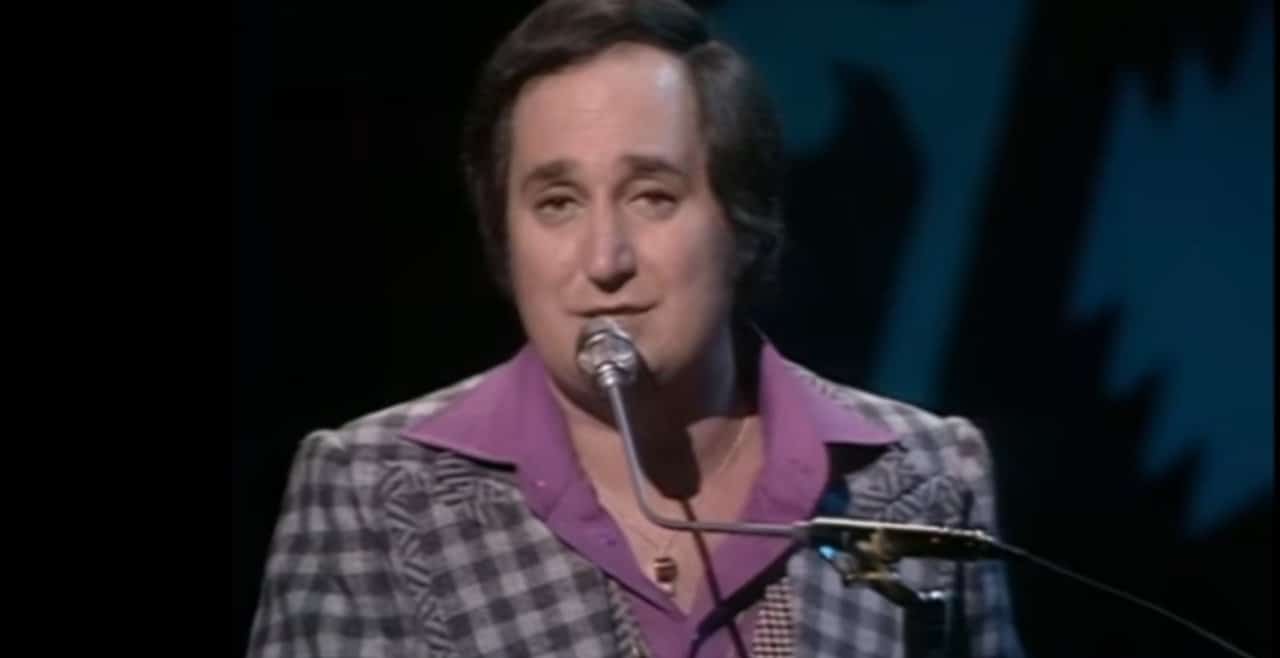
Neil Sedaka emerged on the music scene in the late 1950s as one of the founding members of the group The Tokens, demonstrating his innovative potential early on. Sua solo career took off quickly in the early ’60s, as he established himself as one of the leading songwriters and performers of pop’s golden era. Suas songs were characterized by captivating melodies and lyrics that spoke directly to the heart, addressing universal themes such as love, passion and disillusionment.
Big hits like “Oh! Carol”, written for his ex-girlfriend, “Calendar Girl” and “Breaking Up is Ele quickly became a teen idol, with a legion of fans following each of his releases. Sedaka’s ability to create music that was both sophisticated and accessible set him apart from many of his contemporaries, ensuring his long-term musical relevance.
The resurgence in the seventies
After a period of lower visibility in the late 1960s, Neil Sedaka experienced a notable resurgence in the mid-1970s, proving the resilience and adaptability of his art. Este revival was driven by new compositions that captured the spirit of the times, appealing to both their original fans and a new generation of listeners.
Songs like “Laughter in the Rain” and “Bad Blood” returned him to the top of the charts, solidifying his position as an artist capable of reinventing himself. Esses hits demonstrated his versatility and the depth of his talent as a composer, showing that his music could evolve and still maintain its characteristic essence.
Legacy and industry recognition
Neil Sedaka’s long and productive career was punctuated by several recognitions and tributes that attest to his influence in the world of music. Throughout his career, he has accumulated five nominations for the prestigious Grammy award, a testament to the quality and impact of his work. Tais nominations reflect the high esteem in which he was held by his peers in the music industry.
His contribution to musical composition was immortalized in 1983, when Sedaka was formally included in Hall of Fama of Compositores. Este recognition not only celebrated his ability to create memorable lyrics and melodies, but also positioned him among the greats who shaped the landscape of popular music. The honor underscored the depth of his legacy, which extended far beyond his own interpretations.
In a tribute to his prominence in entertainment, Neil Sedaka also received a star in the iconic Calçada from Fama from Hollywood. Este physical landmark in Los Angeles serves as a perennial reminder of his artistry and his place among the personalities who have left an indelible mark on global pop culture. The star symbolizes public admiration and recognition of your contribution to the joy of many.
Personal life and TV appearances
In addition to his stellar career in music, Neil Sedaka also had a stable personal life and made several appearances on television, showing his versatility beyond the stage. In 1962, he married Leba Strassberg, with whom he raised a family and shared the challenges and joys of a public and private life. The couple’s enduring union was a pillar in his life, offering support throughout his remarkable artistic journey.
The couple had two children, Dara and Marc, who grew up amid the effervescence of their father’s career. Dara Sedaka even followed in her father’s footsteps in music, becoming a singer and songwriter. Essa family connection to Neil Sedaka’s art reflects the passion for music that permeated their home and inspired the next generation.
In the television universe, Sedaka made memorable appearances on popular programs, expanding his reach beyond concerts. Entre his appearances include episodes of “King of Queens” and “The Carol Burnett Show”, where he demonstrated his charisma and talent for performing in different formats. Essas appearances connected him with a wider audience and solidified his image as a well-rounded entertainer.
He also served as a guest judge on the second season of the renowned show “American Idol.” Durante his participation, Sedaka effusively praised Clay Aiken’s interpretation of his song “Solitaire”. Esse moment in the program highlighted Sedaka’s generosity in recognizing new talent and the timelessness of his compositions, which continue to be reinterpreted and appreciated by contemporary artists.
The lasting influence of his songs
Neil Sedaka’s work has transcended time, exerting a considerable influence on countless artists and ensuring his permanent place in the canon of popular music. Suas distinctive melodies and rich harmonies have inspired generations of musicians and composers, who have looked to his style for a source of creativity and innovation. The ability of their songs to remain relevant decades after their original releases is a testament to their artistic quality and their universal appeal.
Many of his compositions were re-recorded by other big names in music, highlighting the versatility and depth of his repertoire. Essas’s reinterpretations not only kept his songs alive for new audiences, but also underlined Sedaka’s ability to create music that could adapt to different styles and arrangements without losing its essence. Seu musical legacy is a reminder of the strength of well-crafted melody and lyrics.
Reactions and posthumous tributes
The news of Neil Sedaka’s passing caused a wave of consternation and sadness around the world. Admiradores, colleagues and members of the music industry expressed their sorrow at the loss of an icon whose music touched so many lives. Muitos shared personal memories and the impact of their songs on their journeys, highlighting the deep connection that Sedaka has made with their audience.
On various platforms, artists and personalities paid tribute to his genius, remembering his ability to create unforgettable melodies and poetic lyrics. The messages emphasized not only his musical talent, but also his legacy as an artist who remained true to his art throughout his life. The widespread commotion demonstrates the respect and admiration he earned throughout his remarkable career.
A farewell to the golden age of pop
With the departure of Neil Sedaka, popular music loses one of its most brilliant architects, an artist who helped define the sound of an era. Sua absence will be deeply felt, but his vast musical work will continue to resonate, keeping alive the memory of an extraordinary talent.



