Nintendo authorizes immediate refunds for RPG on new console after severe criticism over visual change
Nintendo has begun an unprecedented process of refunding amounts to buyers of a recent update of an open-world RPG, following a negative reception related to the new artistic direction adopted in the project. The decision comes amid growing controversy over the visual quality of the title, which hit the market as one of the bets for the initial cycle of the successor to Nintendo Switch. Consumidores reported dissatisfaction with the graphical changes that, according to community analysis, distorted the original atmosphere of the work previously released for Wii U.
The Japanese company’s move marks an inflection point in the way digital products are managed on its platform, especially considering the company’s strict history in relation to purchase cancellations. Player dissatisfaction focuses on the transition from a more realistic and textured visual style to an anime-like aesthetic, considered by many to be an excessive simplification that harms immersion.
On the same topic: Nintendo returns Xenoblade update money on Switch 2 after glitches
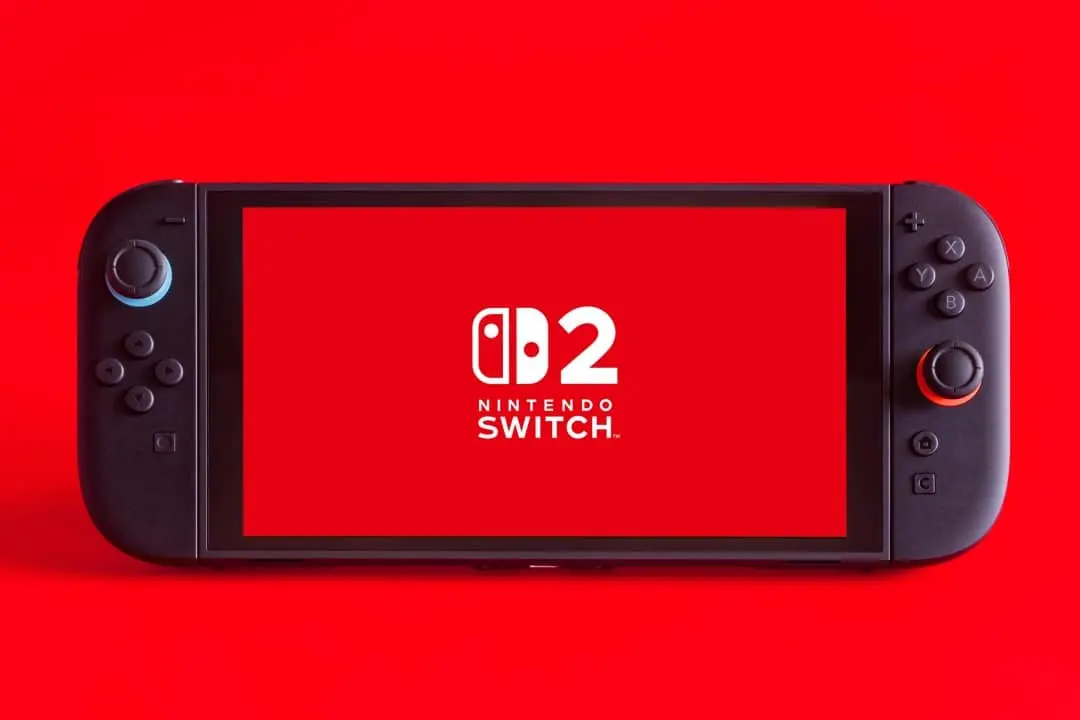
User reports indicate that Nintendo technical support has processed refund requests with surprising speed, often completing the operation in less than ten minutes after the initial request. Essa operational agility suggests that the company internally recognizes the validity of the criticism and seeks to mitigate damage to the franchise’s image before the situation escalates into a larger public relations problem.
The situation calls into question remastering strategies for the new generation of consoles, showing that fidelity to the original work is a determining factor for acceptance by the veteran public.
Technical differences and change in art direction
The controversy revolves around Xenoblade Chronicles X’s “Definitive Edition”, which underwent profound modifications to its lighting and character modeling engine. Especialistas in gaming technology and dedicated fans have pointed out, through direct comparisons, that the original version of Wii U possessed a denser and more mysterious atmosphere, supported by post-processing effects that were removed or changed in the new version.
More on this story: PlayStation 5 Pro price drop accelerates digital retail sales and eliminates global stocks
One of the most criticized points was the removal of volumetric fog, a technical feature that gave depth and scale to the game’s alien scenarios. The absence of this element, combined with the new, more vibrant and flat color palette, resulted in an image that many consider visually inferior, despite the increase in native resolution provided by the new hardware.
See Also

The change in character models to a more aggressive “cel-shaded” style also sparked heated debate. The developers’ original intent seemed to strike a balance between military sci-fi and fantasy, something the community feels has been lost in favor of a more generic and standardized look. Essa change in tone transformed the perception of seriousness of the narrative, impacting the emotional experience of those who play.
Impact on the market and expectations for 2026
This episode serves as a warning to the industry about the risks of changing the visual identity of cult classics during the porting process to new platforms. The game, which was supposed to serve as a demonstration of the new console’s improved backwards compatibility capabilities and processing power, ended up becoming a case study in artistic preservation in digital media.
For Nintendo, the incident occurs at a delicate time of hardware transition, where consumer trust is vital to ensure adherence to the new platform scheduled to be consolidated in 2026. The quick response in offering refunds demonstrates a proactive stance, but also reveals the company’s sensitivity to negative feedback that could compromise the launch of future titles.
Learn more: Nintendo refuses refunds to Switch 2 customers for voiding illegal fees
Market analysts note that players’ preference for the old version of Wii U, over the new release, signals that pure technical improvements, such as frame rates or resolution, do not outweigh artistic coherence. Preservation of the original aesthetic must be a priority in future projects to avoid alienating the loyal fan base that supports these franchises.