
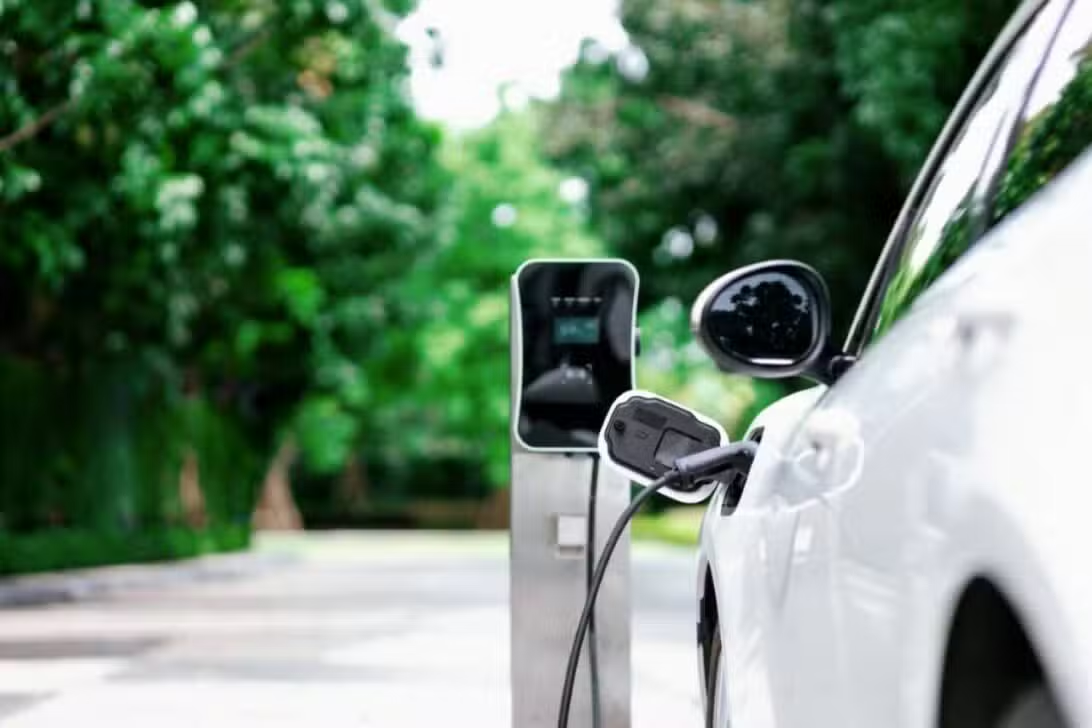
The city of Plymouth, in Reino Unido, began a decisive phase in the modernization of its urban infrastructure with the announcement of the installation of more than 750 new charging points for electric vehicles directly on public roads. The project is made possible by funding of £2.4 million, secured by the Conselho Municipal of Plymouth through the Infraestrutura of The initiative represents a coordinated effort to eliminate structural barriers and encourage the transition to cleaner mobility in the region.
Installation operations are scheduled to begin in the spring, with specialized operators selected to ensure the efficiency and security of the new network. The strategy focuses on equity of access, allowing residents of densely populated areas to charge their vehicles close to home.

The municipal council already provides channels for the population to suggest locations for the new points, using this information to map the areas of greatest need, although the installation depends on technical feasibility.
Technology and accessibility on the streets
The new equipment selected for the project has dual technology, which allows the simultaneous charging of two vehicles in a single unit. Essa technical characteristic is fundamental for optimizing urban space and increasing service availability without the need to duplicate the physical infrastructure on sidewalks. The measure aims to resolve one of the main obstacles to the adoption of electric cars: range anxiety and the difficulty of recharging for those who park on the street.
The expansion of the public network is seen as a catalyst for consumer confidence. By ensuring that charging is affordable and reliable, the local government hopes to accelerate the replacement of the combustion vehicle fleet with electric models. Especialistas point out that the visibility of charging points on a daily basis acts as an important psychological incentive for potential buyers.
In addition to convenience, security is a central pillar of the project. The points will be installed in strategic locations, ensuring lighting and ease of handling. The integrated system allows users to locate available chargers in real time, facilitating route planning and drivers’ daily routines.
Strategic partnerships and operation
To enable the implementation and ongoing maintenance of the network, partnerships were established with private operators, such as the companies Kerb and Believ. Essas companies bring expertise in managing charging networks on public roads and will work together with the city’s urban planning. Public-private collaboration is essential to cover operational costs and ensure technology stays up to date over time.
- Government funding covers initial infrastructure costs.
- Private operators contribute resources to the network’s viability.
- Maintenance guaranteed by long-term contracts.
- Integration with the existing electrical network without overloads.
The £2.4 million investment from the LEVI fund demonstrates central government’s commitment to decarbonising transport. Ministros sector officials highlight that the availability of chargers is often cited as the biggest barrier to purchasing electric vehicles, and projects like the one in Plymouth serve as a model for other British cities.
Environmental impact and sustainability goals
The Plymouth electric mobility strategy is already showing positive results, contributing to the reduction of carbon emissions in the local transport sector. The mass expansion of charging points reinforces the city’s position as a reference in sustainability in the southwest of Inglaterra. By facilitating the use of electric vehicles, the municipality aligns itself with national air quality goals and the fight against climate change.
The project not only benefits electric vehicle owners, but also improves the quality of urban life by reducing noise and air pollution. The energy transition in individual transport is a key piece in the urban sustainability puzzle, and robust infrastructure is the foundation for this change.
Residents interested in following the progress of the installations or checking the location of existing points can access the Conselho Municipal and Plymouth digital platforms. Transparency in the schedule and public participation are considered fundamental to the success and acceptance of the project by the community.