
Square Enix confirms end of exclusivity and releases final part of Final Fantasy VII for Xbox and PC

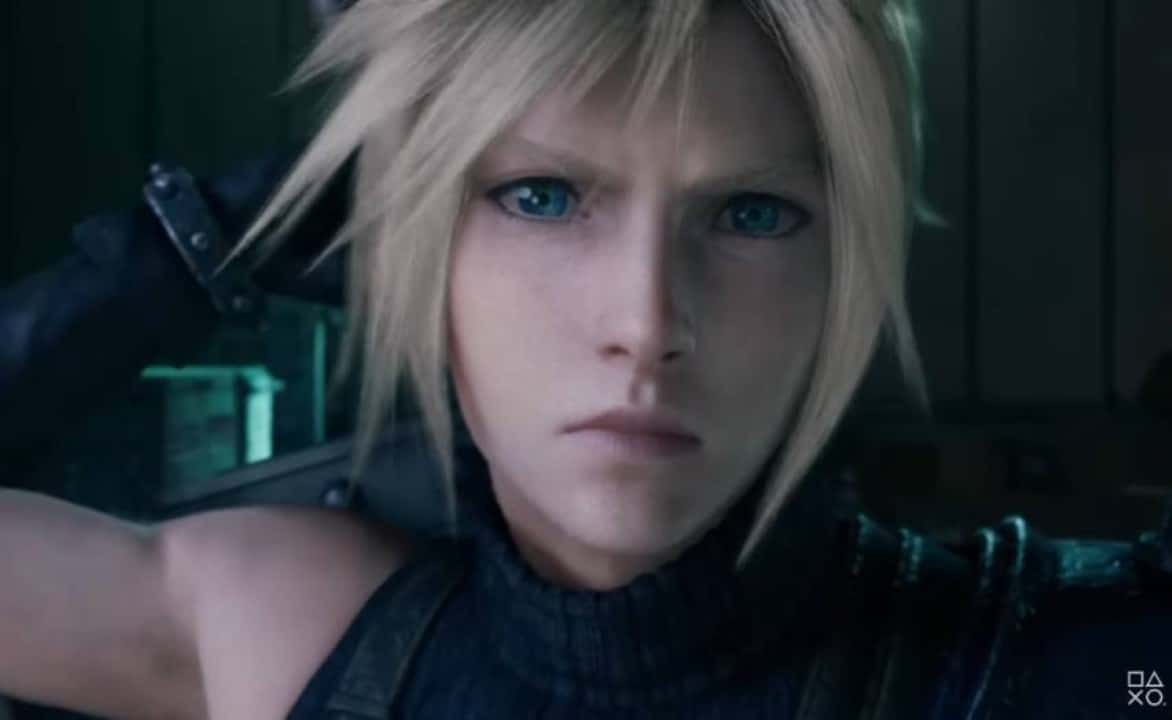
Square Enix has officially announced a historic change in the distribution of its main titles, confirming that the third and final part of the Final Fantasy VII Remake project will be released simultaneously for PlayStation 5, Xbox Series X|S and PC. The decision marks the end of the temporary exclusivity strategy that kept the first two chapters of the trilogy restricted to Sony consoles during the initial release periods. The Japanese studio seeks, with this new approach, to maximize the global reach of the franchise and recover the profitability of its investments in high-budget development.
The announcement reflects a significant internal restructuring at the publisher, which is now prioritizing multiplatform releases for its AAA games. Naoki Hamaguchi, director of the trilogy, and the development team have ensured that the final title is being optimized to run on all next-gen platforms from day one. Essa change of guideline aims to avoid fragmentation of the player base and ensure that the outcome of the Cloud Strife saga is available to as many fans as possible at the time of premiere, eliminating the long waiting period that characterized previous computer versions.

Strategic change after sales performance
The review of Square Enix’s business model comes after detailed analyzes of the commercial performance of Final Fantasy VII Rebirth, the second chapter of the saga. Embora acclaimed by specialized critics, the game faced challenges in reaching the sales targets set by the company, in part due to the limited installed base of exclusive consoles at the time of launch. Exclusivity, which was previously seen as an asset to guarantee technical and financial support for Sony, began to be considered an obstacle to expanding revenues in a market where production costs for large games have increased exponentially.
Company executives pointed out that the “Square Enix Reboot” strategy has platform diversification as its fundamental pillar. By making the final chapter available on the Xbox ecosystem and digital PC stores such as Steam and
Video game industry analysts note that this opening could set a new standard for future releases in the Final Fantasy franchise. The need to amortize the costs of advanced graphics engines and teams of hundreds of developers makes the total exclusivity model increasingly financially risky. With the simultaneous launch, the Square Enix aligns with Western market trends, where immediate availability on multiple hardware is the norm for major commercial successes.
Technical innovations and narrative conclusion
The development of the third part progresses with a focus on the full integration of the technical capabilities of the current generation of hardware. The creative team confirmed that the game will use an improved version of the graphics engine, possibly migrating or adapting features from Unreal Engine 5, to deliver even more realistic visuals. The promise is that the game world will be fully interconnected, allowing free exploration of the global map through the iconic Highwind aircraft, a feature that fans have been waiting for since the beginning of the remake project.
The narrative promises to connect the loose ends left by *Remake* and *Rebirth*, offering a definitive conclusion that will also form a bridge with the film *Final Fantasy VII: Advent Children*. The script, overseen by Kazushige Nojima and Tetsuya Nomura, will not only recreate the final events of the original 1997 game, but also expand the lore with new elements introduced in this reimagining. The inclusion of full voice acting and state-of-the-art motion capture aims to elevate the emotional impact of the final scenes, ensuring that the outcome of the fight against Sephiroth is memorable.
Among the main technical and gameplay characteristics confirmed for the multiplatform launch, the following stand out:
– Otimização specific to PC hardware, including support for upscaling technologies such as DLSS and FSR since launch.
– Paridade of content between console versions, ensuring that Xbox players have access to the same features and graphical modes as PlayStation users.
– Refined battle Sistema that incorporates new synergies between previously unplayable characters, expanding tactical options.
– Transição seamless between exploration and combat on the world map, taking advantage of the speed of modern SSDs to eliminate loading screens.
Market impact and future expectations
Confirmation of release on Xbox represents a significant victory for Microsoft’s gaming division, which has been trying to fill the gap for JRPGs on its platform for years. The arrival of the conclusion of one of the most important trilogies in the history of video games on the American console strengthens the perception that the Xbox ecosystem is a viable home for Japanese productions. Para PC gamers, the news eliminates the uncertainty and frustration of having to avoid spoilers for months or years while waiting for the game to be converted.
For Sony, the loss of full exclusivity for the final chapter could impact the perceived value of the PlayStation 5 as the “only place” to play Final Fantasy. However, the long-standing marketing partnership between Square Enix and PlayStation should still ensure some level of promotional prominence for the Sony platform. The competitive scenario adjusts, with the focus shifting from exclusivity of access to quality of performance and added services on each platform.
The closure of this trilogy marks the end of a development journey that spanned more than a decade, from the first rumors to the project’s completion. Square Enix is betting all its money that expanded accessibility will transform this launch into the franchise’s biggest commercial event in years. With the unified fan base and easier access, the expectation is that the final chapter will not only recoup the investment, but also restore the prestige of the Final Fantasy brand as a global sales and critical powerhouse.



