
Technical failure in battery module forces BYD to recall thousands of hybrid vehicles in China


Administração Estatal of Regulação of Mercado of The measure directly affects a significant fleet of cars, requiring immediate technical intervention to guarantee road safety and the physical integrity of passengers and drivers.
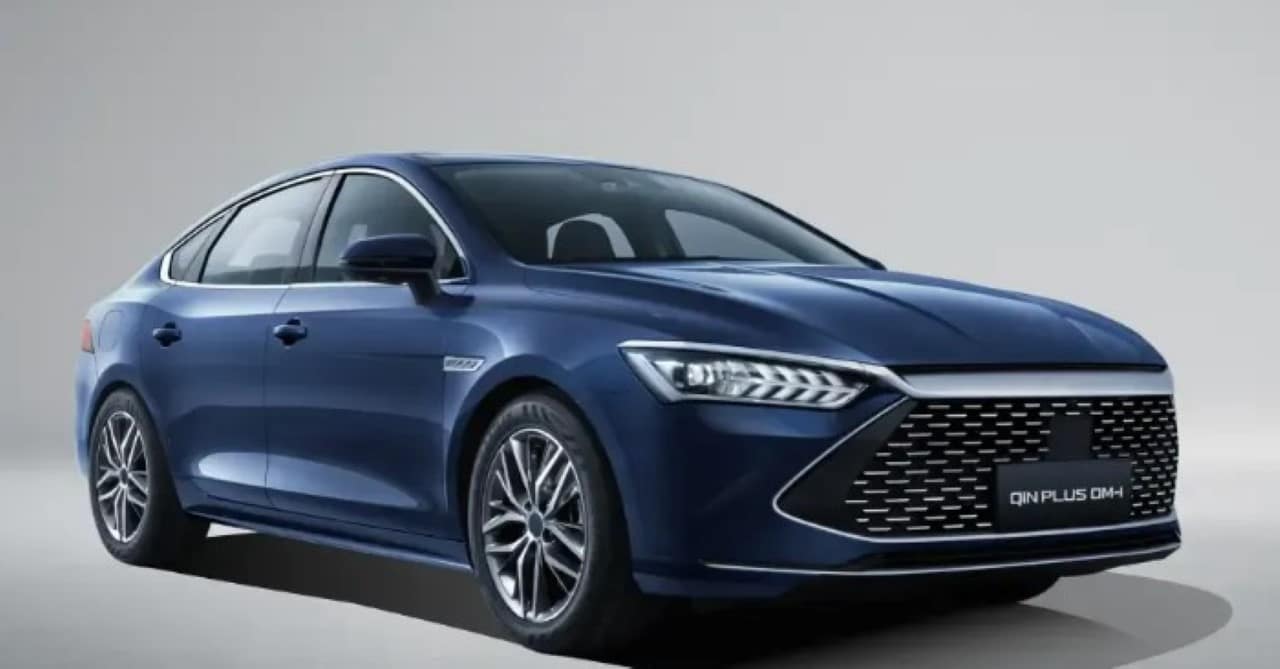
BYD, an automotive giant, began recalling approximately 97,000 units due to an inconsistency identified in the manufacturing process. The focus of the problem is located in the battery management controller, a critical component for the functioning of the vehicle’s electrical system and the model’s energy efficiency.
Key critical points noted in the official technical report include:
– Identificação of failures in the soldering of capacitors on the circuit board;
– Risco power module overheating potential;
– Possibilidade of sudden loss of power while driving.
The affected model is the Qin Plus DM-i sedan, recognized as one of the brand’s best-selling cars in the competitive Asian market. The units included in the call were produced between January 2021 and September 2023, a period in which the assembly line used the batch of electronic components that is now under scrutiny by the authorities and the brand’s own engineering.
Fault diagnosis and associated risks
The automaker’s internal investigation, corroborated by Chinese regulatory authorities, found that the root of the problem lies in the manufacturing of the battery controller. Especificamente, the capacitors on the circuit board may have insufficient or irregular soldering. With the natural vibration of the vehicle and continuous use, this poor connection can result in data communication failures or instability in the system’s electrical voltage.
In scenarios where the component presents a functional failure, the vehicle’s safety system may not perform as expected. The most severe risk involves the module overheating, which, in extreme cases, could lead to a fire in the battery compartment. Além Furthermore, the abrupt interruption of power transmission can cause the vehicle to stop responding to the driver’s commands in the middle of the road, considerably increasing the chance of rear-end collisions or loss of control.
Patch implementation via remote update
To resolve the defect in an agile and technological way, BYD adopted a strategy that minimizes the need for immediate and unnecessary visits to workshops for all customers. The company will send an “over-the-air” (OTA) software update to the involved vehicles. Este new code was developed to specifically monitor the integrity of the welds on the battery controller in real time, functioning as a continuous diagnostic tool.
If the software detects any anomaly in the component’s operation or voltage variations, a warning light will be activated on the car’s instrument panel. From this visual warning, the owner is instructed to contact an authorized dealer immediately. Nestes cases confirmed by the system, the automaker will physically replace the battery controller at no cost to the consumer, ensuring the complete elimination of operational risk.
For vehicles that, due to hardware limitations, do not support OTA remote updating, the manufacturer will instruct owners to contact the assistance network directly. In Nestas situations, technicians will carry out manual inspection and, if necessary, replace the defective component, ensuring that the entire affected fleet receives the same level of treatment and safety, regardless of the software version installed.
Market context and quality procedures
This episode highlights the increasing complexity of new energy vehicles, which rely heavily on advanced electronics and integrated software for propulsion management. Embora recalls are an integral part of the global automotive industry, the scale of this event reinforces the need for constant vigilance in the supply chain, especially in high-voltage components that handle large energy loads.
Despite the recall, consumer confidence in the brand remains resilient, supported by the high monthly sales volumes recorded at China. However, past incidents with other models such as the Tang DM-i have Chinese regulators on high alert regarding quality standards. The manufacturer’s quick response and the use of remote diagnostics demonstrate an evolution in quality crisis management in the electric mobility sector, prioritizing transparency and end-user safety.



