
United kingdom recalls tehran embassy staff amid escalating us iran regional tensions
The United Kingdom has initiated the withdrawal of some non-essential staff from its embassy in Tehran, reflecting growing apprehension over the escalating tensions between the United States and Iran. This move signals a heightened level of concern among western allies regarding regional stability and the potential for broader conflict in the Middle East.
Diplomatic sources indicate that the decision, made in early 2025, is primarily a precautionary measure, aiming to ensure the safety of personnel amidst a volatile political climate. The withdrawal underscores the serious implications of the ongoing standoff, which has seen rhetoric from both Washington and Tehran intensify significantly.
The situation follows a period of persistent friction, where geopolitical interests and strategic posturing have fueled a cycle of warnings and counter-warnings. International observers are closely monitoring developments, recognizing the delicate balance of power across the region.
Escalation of regional anxieties
The current state of affairs represents a critical juncture, with various regional actors expressing profound unease. The Middle East has long been a nexus of complex geopolitical dynamics, and the recent increase in US-Iran tensions threatens to destabilize an already fragile environment.
Governments across the Gulf and beyond have called for restraint and dialogue, fearing that any miscalculation could trigger a wider confrontation. The economic ramifications, particularly concerning global oil supplies, are also a significant source of anxiety for international markets.
Diplomatic measures in response
The withdrawal of diplomatic staff by London illustrates a tangible step taken by a major power to mitigate risks to its citizens. Such actions are typically considered when assessments indicate a substantial threat to embassy operations or the security of personnel.
These diplomatic adjustments aim to reduce exposure in potentially high-risk areas, allowing for a more agile response should conditions deteriorate further. It also sends a clear signal about the perceived severity of the situation to all parties involved.
Other nations with diplomatic presence in the region are reportedly reviewing their own security protocols, assessing whether similar measures are warranted. The focus remains on safeguarding personnel while maintaining diplomatic channels where possible.
Broader regional implications
The ripple effects of increased US-Iran tensions extend beyond diplomatic offices, influencing security postures and economic forecasts throughout the Middle East. Neighboring countries, already grappling with existing conflicts and humanitarian crises, face additional pressure.
Regional military forces are on alert, monitoring maritime routes and national borders for any unusual activity. The potential for proxy engagements or cyberattacks also looms large, adding layers of complexity to the security landscape.
Analysts highlight the interconnectedness of regional security, where actions by one major player can swiftly trigger reactions from others. This interdependence makes de-escalation efforts even more critical to prevent a cascading series of events.
Furthermore, humanitarian organizations are bracing for potential disruptions, evaluating contingency plans for aid delivery and refugee assistance in the event of widespread instability. The well-being of millions hangs in the balance amid these escalating geopolitical tensions.
United states’ precautionary steps
The United States embassy in Israel has also issued an advisory to its non-emergency staff, providing them with the option to depart the country if they choose. This parallel action underscores a broader strategy of caution implemented by Washington across key regional outposts.
The advisory for Israel-based personnel reflects an assessment of potential spillover effects from the US-Iran friction, particularly given the close strategic alignment between the United States and Israel. Such measures are standard practice during periods of elevated regional risk.
Historical backdrop of strained relations
The current tensions between the United States and Iran are deeply rooted in decades of complex historical events, including geopolitical shifts, ideological differences, and past interventions. The relationship has been marked by periods of confrontation and mistrust, influencing regional dynamics significantly.
Key moments, such as the 1979 revolution in Iran and subsequent diplomatic ruptures, have shaped a persistent adversarial dynamic. The ongoing dispute over Iran’s nuclear program and its regional activities, particularly regarding support for various non-state actors, continue to be central points of contention, often leading to sanctions and diplomatic isolation efforts from western nations and their allies. These historical grievances and strategic rivalries fuel the present-day instability.
International appeals for de-escalation
Global leaders and international organizations have consistently urged both Washington and Tehran to prioritize diplomatic solutions and avoid actions that could further inflame the situation. The collective call for de-escalation emphasizes the catastrophic potential of an open conflict for the region and the global community.
Veja Tambem em Últimas Notícias

Pentagon chief affirms unwavering US commitment to Asian partners, urges stronger regional defense efforts
Clifford Stanley, a retired broker, unveils his surprising proposition for Greenland’s future

Governo federal detalha regras do Bolsa Família para 2026 com foco em benefícios complementares e inclusão social

Cadastro Único: novas regras definem elegibilidade e ampliam benefícios para famílias

Schumacher’s decade-plus recovery: F1 legend’s private battle continues, family maintains vigilance in May 2026

Desvendando o cometa interestelar 3I/Atlas: Nasa divulga novas informações sobre sua jornada
Lithuania embraces German troop deployment, bolstering Baltic security against rising regional threats

Programa Bolsa Família: governo federal atualiza diretrizes e benefícios cruciais para o futuro

Michael Schumacher’s ongoing recovery and unparalleled Formula 1 legacy continue to captivate the world in May 2026
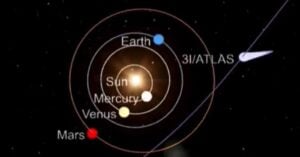
Nasa aprofunda estudos sobre 3I/Atlas e desvenda composição de cometa forasteiro
New visa regulations in Japan force foreign curry shop owners to leave, impacting local economies