Verstappen admits Red Bull’s reality in F1 2026: no chance of victory in the first pre-season races

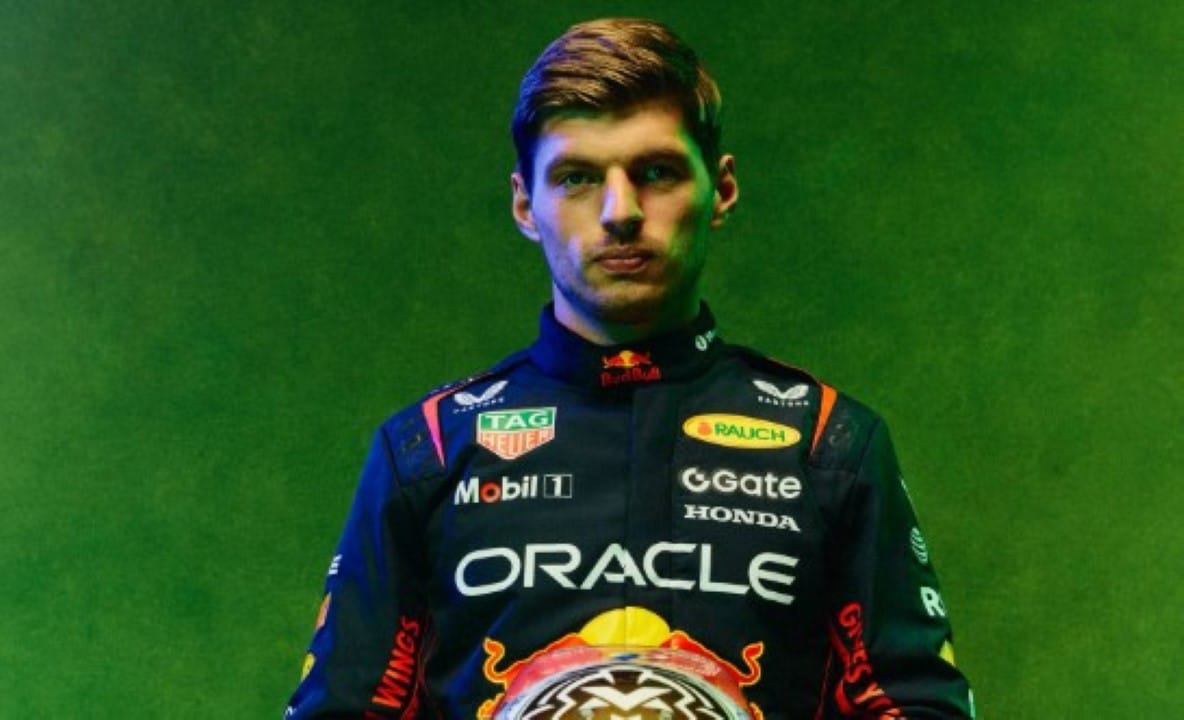
Max Verstappen highlighted that the team completed a significant number of laps, prioritizing reliability over pure speed. The statement came shortly after the end of the sessions, when the Dutch driver analyzed the data collected.
Red Bull finished the tests in fourth place overall among the teams, with Verstappen recording the fifth best individual time. Ferrari, Mercedes and McLaren demonstrated superiority in terms of pace, with more consistent times and setups that seem more adapted to the new technical regulations. The Dutchman emphasized that the team’s internal expectations did not include dominating immediately, considering the transition to its own power unit. Essa realistic approach reflects the challenges faced during development, including issues of correlation between simulations and real track.
Testing at Bahrein served as the first real contact with the 2026 cars, which incorporate significant changes to engines and aerodynamics. Verstappen expressed satisfaction with the stability of the power unit, but pointed out the need for adjustments to improve performance in high-speed curves and temperature management. The Austrian team accumulated 329 laps over the three days, a volume that provides a solid base for future developments. Outras teams, like Ferrari, led sessions with impressive times, reinforcing the current distance.
Test performance
Times recorded during pre-season indicate a clear starting hierarchy. Charles Leclerc, from Ferrari, led the Dia 6 with a competitive time, followed by Lando Norris, from McLaren, and Verstappen himself in third. Essas positions varied over the days, but the consistency of the rival teams stood out. Verstappen completed 65 laps in the last session, focusing on long race simulations. Red Bull prioritized collecting data on durability, avoiding extreme pushes that could mask real problems.
The partnership with Ford brought notable advances in the power unit. Verstappen joked about the low expectations of rivals, who imagined drastic failures, but the engine proved to be robust. However, issues such as data correlation persist. The team plans updates for the first few races, aiming to reduce the deficit. Engineers analyze telemetry to optimize the setup, considering the hot conditions of Bahrein, similar to those in the initial calendar.
Maximized it in qualifying. Second row, full push!pic.twitter.com/xZXq0ucPz7
—Max Verstappen (@Max33Verstappen)November 29, 2025
Expectations for the start of the season
The Grande Prêmio of the Austrália, scheduled for March 8 at Melbourne, will be the first real test of the season. Verstappen predicts that Red Bull will need time to adapt, with no expectations of immediate podiums. The team focuses on continued development, with updates planned for the Ásia races. Rivais like Mercedes and Ferrari seem more prepared, with cars that exhibit superior balance in different sectors of the track.
The transition to its own engines represents a milestone for Red Bull. Anteriormente dependent on external suppliers, the team now controls the entire development. Verstappen praised the progress, but warned about the learning curve. Ford contributes expertise in electrification, in line with new regulations that emphasize sustainability. Essa partnership can bear fruit in the medium term, but the short term requires patience.
Tests revealed strengths in traction and stability. Verstappen noted improvements compared to winter simulations, but the gap to the leaders remains. The team collects feedback from both drivers, including Sergio Pérez, to refine the car. Pérez complemented the sessions with a focus on medium tires, providing valuable wear data.
Technical challenges faced
The correlation between simulator and track emerged as a main obstacle. Verstappen explained that discrepancies affect the car’s behavior in fast corners, requiring precise calibrations. Engineers work on solutions based on real data collected at Bahrein. The engine’s Temperatura also influenced performance, with spikes that limited prolonged pushes. Ajustes in cooling have priority for hot circuits.
The new aerodynamic regulations impose restrictions that impact the Red Bull in a unique way. With an aggressive design, the RB22 car shows potential, but requires refinements. Verstappen compared progress with previous years, noting that the foundation is solid. The team avoids excessive optimism, prioritizing facts over speculation. Rivais watch closely, adjusting strategies based on published times.
Balance issues affect handling in mixed sectors. Verstappen tested different configurations, identifying setups that improve traction on corner exits. Feedback is integrated into the development plan, with additional simulations scheduled. Ford provides technical support, accelerating iterations. Essa collaboration strengthens internal trust, despite initial challenges.
Energy management in the power unit requires optimizations. Verstappen highlighted that qualification modes need refinement to extract maximum power without compromising reliability. Bench Testes complement track data, guiding updates. The team anticipates marginal gains accumulating over the course of the season.
Reactions from rivals and analysts
Teams like Ferrari and McLaren led sessions with impressive times. Leclerc and Norris demonstrated consistency, suggesting competitive packages. Analistas point out that Red Bull, despite fourth place overall, shows potential for quick recovery. Comentadores highlight the robustness of the engine as a future asset. The specialized media praises Verstappen’s transparency, contrasting with the optimism of other teams.
Mercedes, with George Russell and Kimi Antonelli, showed strength on long laps. The silver car adapts well to the new rules, with low tire wear. McLaren focuses on active aerodynamics, gaining an advantage in corners. Essas observations influence the strategies of Red Bull, which monitors rivals closely. Verstappen avoids direct comparisons, focusing on internal improvements.
Preparation for Melbourne
The team transports the car to Austrália, incorporating lessons from Bahrein. Verstappen participates in simulator sessions on Milton Keynes, refining setups. The focus is on qualification, where the deficit is most evident. Pérez contributes insights into race management, balancing development. Logistics include lightweight, wind-tunnel-tested upgrades.
Climatic conditions in Melbourne differ from Bahrein, requiring adaptations. Verstappen anticipates challenges with milder temperatures, affecting tire behavior. The team simulates different scenarios, preparing for unforeseen events. Essa Comprehensive preparation aims to minimize surprises at the season opener.
The initial calendar includes races on the Ásia, where the heat may benefit the Red Bull power unit. Verstappen sees opportunities for gains as the team accumulates real data. Continued development is key, with aerodynamic packages planned. Essa long-term strategy aligns with the pilot’s realistic statements.
Future technical perspectives
The 2026 regulations emphasize energy efficiency, benefiting teams with their own engines. Red Bull invests in research, aiming for medium-term leadership. Verstappen trusts the engineering team, led by propulsion experts. Colaborações with Ford accelerate innovations such as advanced energy recovery. Esses elements strengthen future competitiveness, despite the cautious start.
Evolution of the power unit
The development of the Ford-Red Bull engine exceeded initial expectations, with robustness proven in extensive tests. Verstappen noted that rivals underestimated the project, expecting failures that did not occur. The unit exhibits good torque at low revs, useful on urban circuits. Melhorias in electronics improve power delivery, reducing lag. The team collects data for iterations, focusing on fuel efficiency. Essa solid base allows for rapid evolution, aligned with the season’s objectives.