
Volvo updates EX30 with new entry-level engine and system that turns car into battery


Volvo Cars announced an important restructuring of its line of compact electric vehicles, aiming to expand its presence in the global market and democratize access to zero-emission technology. The core strategy involves the provision of an unprecedented mechanical configuration, developed to balance performance and cost, making electrification a reality for a broader spectrum of consumers. Essa movement occurs in a scenario of intense competitiveness in the automotive sector, where energy efficiency has become a decisive purchasing factor.
The Swedish brand’s sports utility vehicle received profound technical adjustments that go beyond the engine, including improvements to the digital interface and energy management. Engineering focused on maintaining the model’s characteristic agility, preserving the premium driving experience, but with a revised market positioning. The changes reflect the manufacturer’s commitment to leading the energy transition through versatile and technologically advanced products.
Details of the new engine and autonomy
The most relevant technical update is the introduction of a 110 kW electric rear thruster, calibrated to deliver 150 horsepower and an instantaneous torque of 343 Nm. The mechanical package allows acceleration from 0 to 100 km/h in 8.6 seconds, ensuring quick responses in urban traffic. Maximum speed remains electronically limited to 180 km/h, following the strict global safety protocols adopted by the automaker.
Consumers will be able to choose between two types of battery, adapting the vehicle to their specific travel needs. The 51 kWh battery version, based on Fosfato of Ferro-Lithium (LFP) chemistry, is aimed at durability and everyday use, offering a range of up to 339 km in the WLTP cycle. Já the 69 kWh configuration, comprised of
Renewed design and sustainable materials
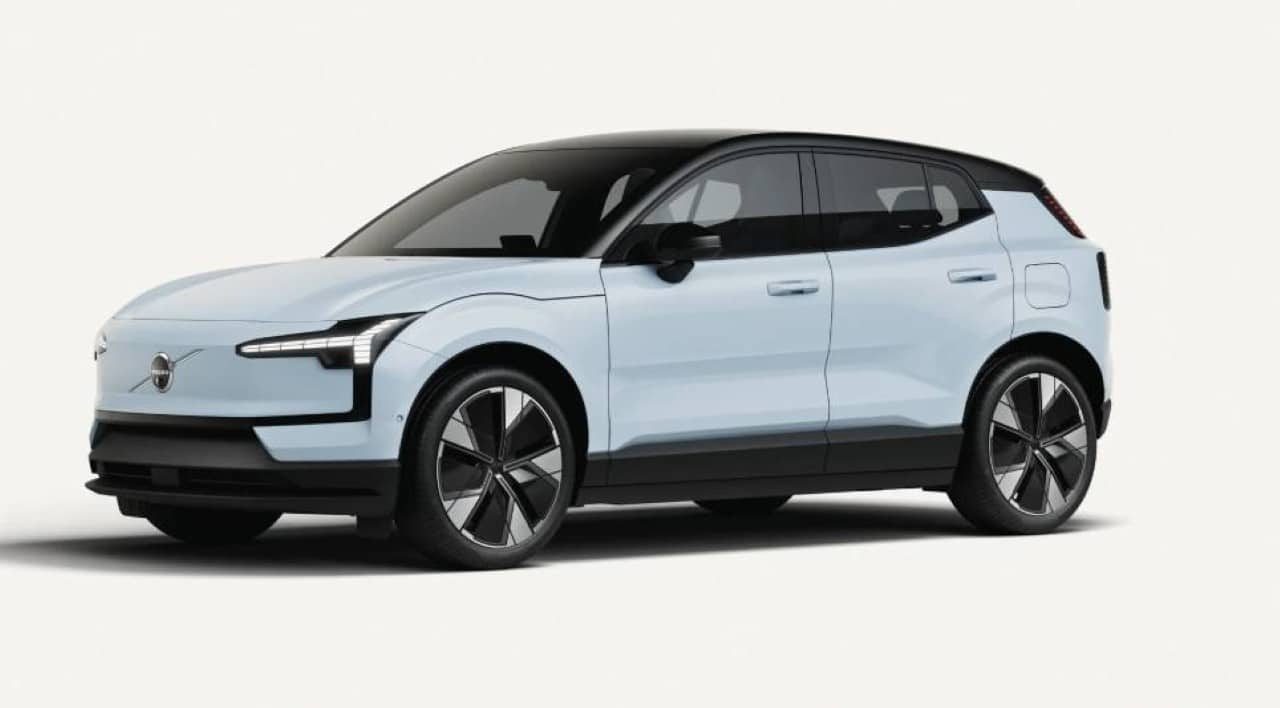
The aesthetics of the compact SUV have been refined to reinforce the Scandinavian identity, with the addition of the color “Sand” to the catalogue, inspired by natural elements of the Swedish landscape. Para for enthusiasts of a sportier look, the “Black Edition” introduces glossy black finishes to the front grille, wheels and rear view mirrors, creating a sophisticated contrast with the bodywork. The exterior design continues to prioritize aerodynamics and functional simplicity.
Inside the cabin, sustainability is highlighted with the intensive use of reused materials. The finish uses recycled denim fibers and compounds derived from pine oil, demonstrating that it is possible to combine luxury with environmental responsibility. Essa approach reduces the carbon footprint in component production and offers a unique texture to panels and coverings.
Connectivity and energy technologies
The user interface has been improved based on feedback from first-generation owners, resulting in a more intuitive layout on the 12.3-inch center screen. The context bar, essential for navigation and system control, has been repositioned to the bottom of the display, making it easier to access while driving. Além Furthermore, updates via OTA (Over The Air) ensure that vehicles already in circulation receive the same software improvements.
A significant innovation is the implementation of Vehicle-to-Load (V2L) technology, which transforms the vehicle into a mobile power source. Através from an adapter connected to the charging port, the traction battery can power external electronic devices. The resource is ideal for outdoor activities, such as camping, or to serve as emergency energy support in homes during power grid failures.
Adventurous version confirmed
The manufacturer also confirmed the development of the Cross Country variant, designed to tackle uneven terrain with greater ease. The model will feature front and rear underbody protection, as well as robust matte black side panels. Raised suspension and high-profile tires will round out the package, along with recalibrated stability control for low-grip surfaces.




