WHO and CDC experts prioritize trivalent seasonal influenza vaccines for 2026
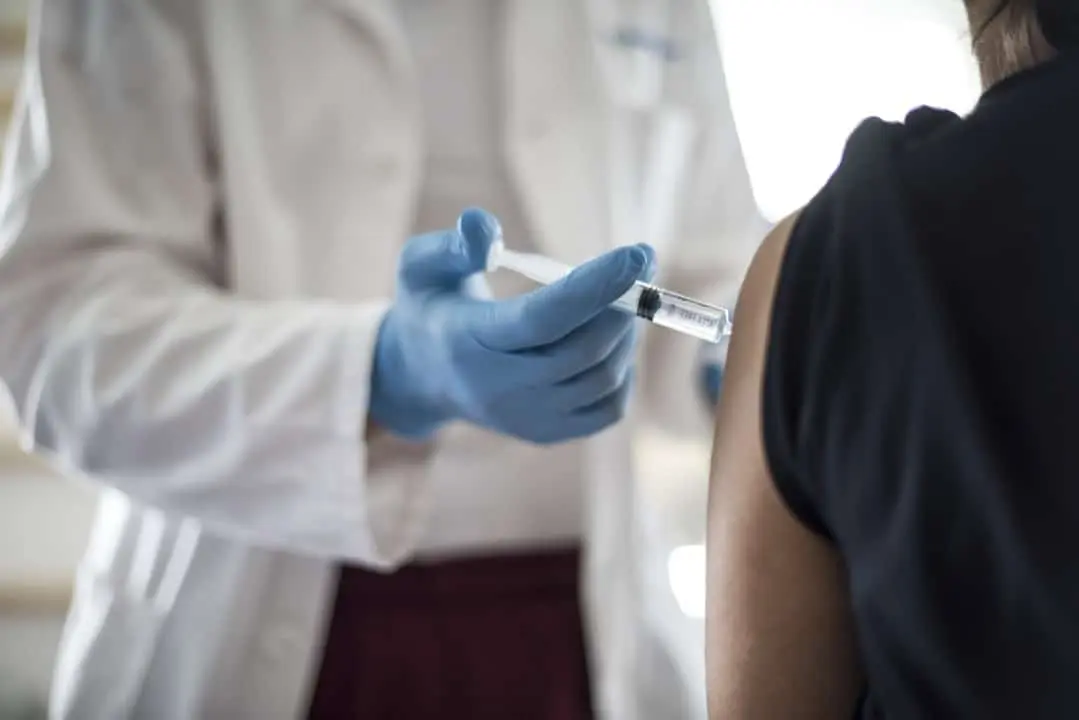
The Organização Mundial of the Saúde (WHO) and the Centros of the Controle and Prevenção of the Doenças (CDC) of the The annual meeting to define the composition of the vaccine took place on Istambul, at
Experts analyzed global surveillance data from more than 130 countries to select the most suitable strains. Para egg-based vaccines, recommended ones include A/Victoria/4897/2022 (H1N1)pdm09-like, A/Croatia/10136RV/2023 (H3N2)-like and B/Austria/1359417/2021 (B/Victoria lineage)-like. Já for cell-based or recombinant vaccines, the strains are A/Wisconsin/67/2022 (H1N1)pdm09-like, A/District of Columbia/27/2023 (H3N2)-like and the same B/Victoria.
Annual vaccination is recommended for everyone over 6 months of age, without contraindications, as the main measure to reduce the risk of serious complications. Grupos priorities include children, pregnant women and elderly people over 65 years of age, who can opt for high-dose or adjuvanted vaccines for greater effectiveness. Vaccine production takes about nine months after the strains are announced.
Updated vaccine composition
The WHO announced the recommendations for the southern hemisphere in September 2025, serving as a basis for adjustments in the northern hemisphere. The selected strains aim to combat the constant evolution of the influenza virus, which affects around 1 billion people annually around the world. WHO collaborating centers, including the CDC, process virus samples to ensure vaccines are effective against circulating variants.
US participation in the meeting, even after the WHO’s departure, highlighted the importance of technical collaboration in global health. Representantes from the CDC shared surveillance data and contributed to scientific discussions, maintaining the focus on population protection without interfering with withdrawal policy.

Priority groups for vaccination
Children ages 6 months and older should receive the vaccine annually to prevent flu-related hospitalizations and deaths. Academia Americana of Pediatria reinforces this guidance, emphasizing that there are no medical contraindications for most children. Gestantes are also encouraged to get vaccinated, as immunization protects both mother and baby in the first months of life.
For adults with chronic conditions, such as diabetes or heart disease, the vaccine reduces the risk of the flu getting worse. Idosos over 65 years of age have preferred options, such as Fluzone High-Dose, Flublok Recombinant and Fluad Adjuvanted, which have demonstrated greater protection in reviewed studies.
Healthcare professionals are among the essential groups, as their vaccination helps prevent transmission in hospital settings. Campanhas vaccinations should ideally occur in September or October to maximize immunity during the peak season.
Impacts of global surveillance
The WHO surveillance network collects data from 130 countries to monitor the circulation of the influenza virus. Esse system allows quick adjustments to the composition of vaccines, ensuring that they cover the predominant strains. In 2025, there was a slight decline in vaccine circulation due to financing challenges, but shipments have resumed globally.
Collaboration between agencies such as WHO and CDC ensures that recommendations are based on solid scientific evidence. Dados of previous season’s vaccine performance is reviewed to optimize current choices, promoting more effective protection against seasonal outbreaks.
Experts highlight that the flu vaccine is not perfect, but it significantly reduces the risk of serious illness. Estudos indicate that trivalent vaccines offer coverage against types A and B of the virus, with annual updates to monitor mutations.
Logistical challenges, such as mass production, require advance planning. Fabricantes begin preparing doses shortly after the strains are announced, aiming for widespread availability before the start of the season.
Challenges in distribution
The US withdrawal from the WHO in January 2026 temporarily impacted the shipment of virus samples, due to the loss of funding. However, shipments have resumed, allowing technical collaboration to continue. Essa situation reinforces the need for multilateral networks for vaccine development.
US West Coast states such as Califórnia have issued independent recommendations for flu, COVID-19 and RSV vaccines, citing concerns about the politicization of the CDC. Legislações like AB144 in Califórnia allow guidance to be based on independent medical organizations, prioritizing scientific data.
Leia Também



Recommendations for the elderly
For people over 65, preferred vaccines include higher dosage formulations or adjuvants to improve the immune response. Essas options are based on reviews that show greater effectiveness compared to standard vaccines. Vaccination in this age group reduces hospitalizations and mortality associated with the flu.
Studies support that vaccines such as Fluzone High-Dose and Fluad offer additional protection against complications. Profissionais Health recommend discussing with providers to choose the best option, considering individual medical history.
Updates for kids
Vaccinating children against flu is crucial to preventing the spread in schools and communities. Recomendações from the CDC and AAP recommend single doses for most children, with exceptions for those who need two doses for the first vaccination. Pais should consult pediatricians to schedule immunizations at the beginning of the season.
Data shows that immunization reduces school absences and flu-related doctor visits. Campanhas educational programs emphasize the safety of vaccines, with continuous monitoring of adverse effects by regulatory agencies.
Integrating flu vaccination with other routine immunizations makes access easier. Escolas and community clinics play a key role in promoting broad vaccination coverage.
Government initiatives support free or subsidized distribution to vulnerable groups. Monitoramento post-vaccination ensures early detection of any variation in the effectiveness of the selected strains.
International collaboration
The WHO meeting on Istambul brought together around 50 scientists to review extensive data on the evolution of the virus. Esse tedious but essential process ensures that vaccines are optimized for the best possible protection. Contribuições of centers like the CDC maintain US technical influence in global health.
Challenges such as the US withdrawal highlight the irreplaceable nature of multilateral networks. Especialistas warn that cooperation is vital to combat threats such as influenza pandemics, which can arise from zoonotic variants.
Effectiveness and monitoring
Flu vaccines demonstrate a reduction in the risk of severe illness, although effectiveness varies annually depending on the circulating strains. Dados from previous seasons report adjustments, focusing on protection against hospitalizations and deaths. Agências as FDA approves compositions based on WHO recommendations.
Continuous monitoring by the global surveillance network allows for rapid responses to new variants. Relatórios annually assess vaccine performance, guiding future improvements in formulation and distribution.
Prevention beyond vaccination
Measures such as hand hygiene and wearing masks in crowded environments complement vaccination. Educação public information about flu symptoms encourages early search for treatment, reducing the burden on the healthcare system. Antivirais are available for severe cases, but primary prevention remains vaccination.
Vulnerable communities are supported for equitable access to vaccines. Programas WHO international aims to increase coverage in low-income countries, combating global health inequalities.