
BYD renews Dolphin item package and freezes price to face competition in the national market

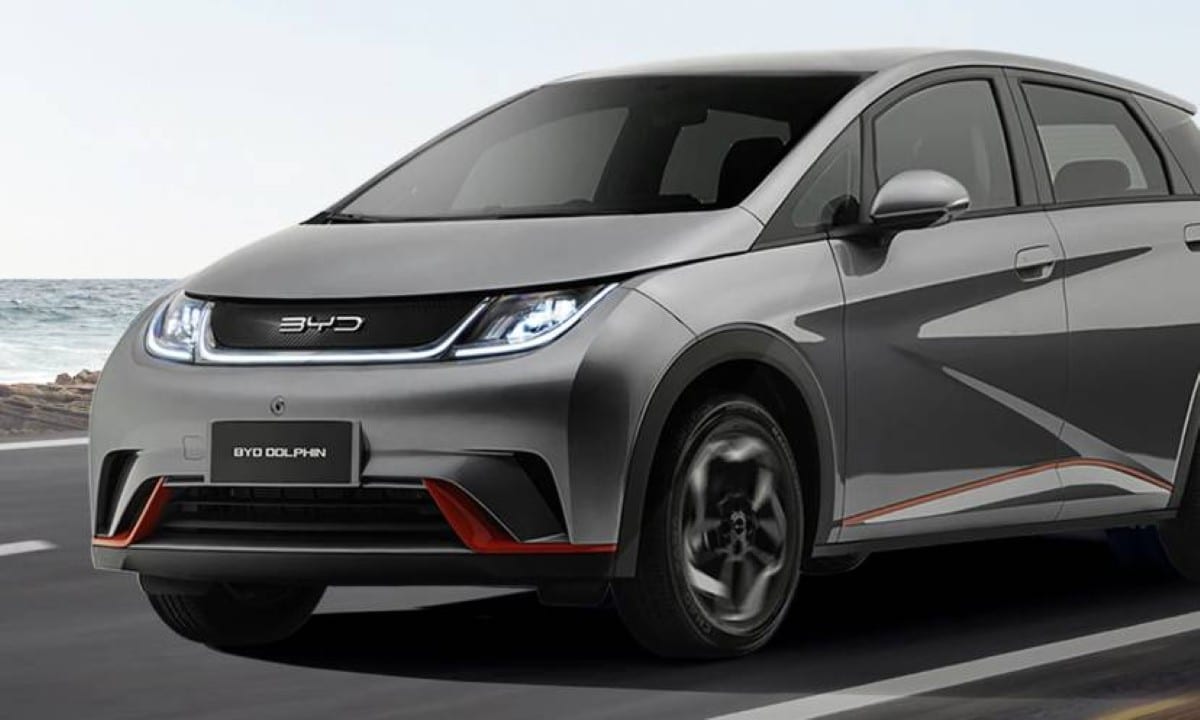
The strategy of electric vehicle manufacturers in China to dominate the entry-level segment remains aggressive, with a total focus on cost-benefit ratio. Maintaining the suggested price of R$149,990 for the brand’s most popular electric model in the country reinforces the intention to consolidate its position as one of the main gateways to electrification in the Brasil. Este movement seeks not only to retain customers, but also to create a solid barrier against new rivals trying to gain space with similar value and technology propositions.
The model, which has already established itself as a reference in the sector, received important updates to its equipment list to justify its competitiveness in an increasingly saturated market. The changes are not just aesthetic, but functional, aiming to deliver more comfort and security without changing the price tag, a risky but necessary maneuver in an economic scenario where interest rates and restricted credit still affect the purchasing power of the average consumer.
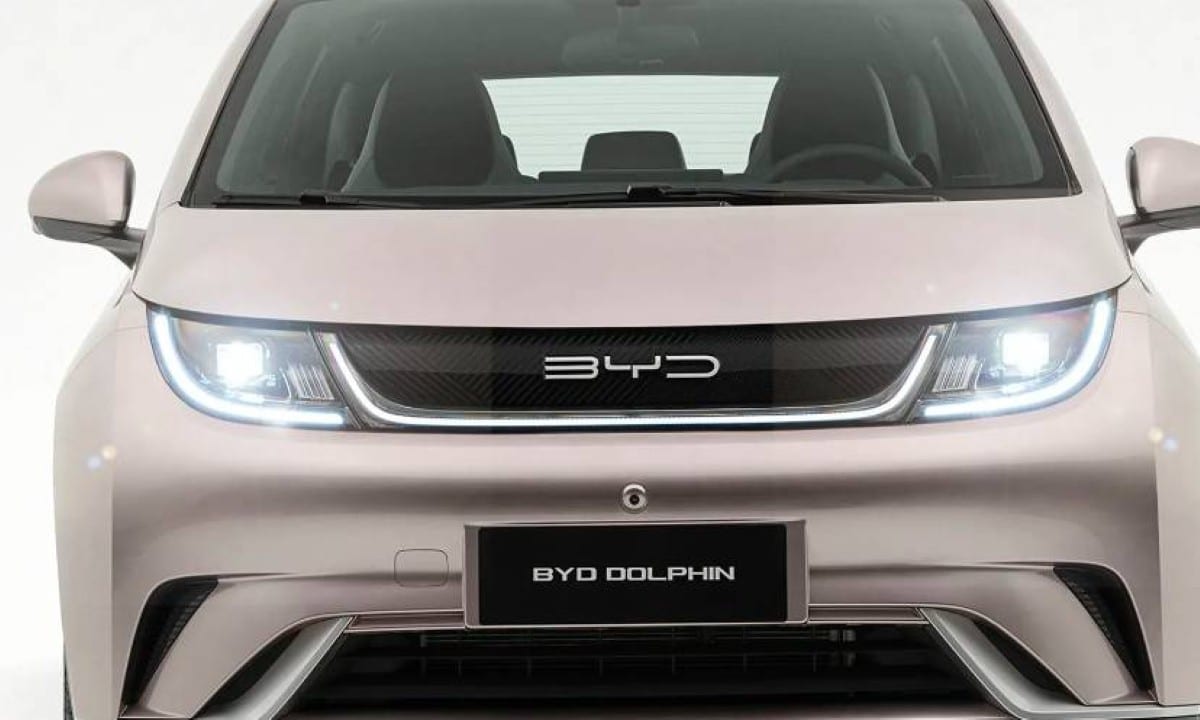
With the arrival of new hybrid and electric options from other Asian and European manufacturers, the competition for consumers looking to abandon the combustion engine has intensified. The brand’s focus lies in the perception of added value, offering items that were previously optional or exclusive to higher categories as standard. Isso includes improvements to the induction charging system for smartphones and fine adjustments to air conditioning calibration to better withstand the tropical climate.
Furthermore, the focus on the user experience inside the cabin has become a decisive differentiator. The integration of driving assistance technologies and improved connectivity transform the vehicle into a mobile digital hub, meeting the demands of a public that values both energy efficiency and the modernity of onboard systems.
Energy efficiency and urban performance
The transition from internal combustion engines to electric propulsion has running costs as one of its biggest attractions, especially for drivers who face the heavy traffic of large cities on a daily basis. The energy cost per kilometer driven in this model is around R$0.15, a value substantially lower than that spent on gasoline or ethanol, which can be up to five times higher depending on the region and the consumption of the traditional vehicle. Essa operational savings are the main selling point for those who use their car as a work tool or travel long urban distances.
In terms of mechanics, the powertrain delivers 95 horsepower and an immediate torque of 18.4 kgfm. Embora the power figures do not suggest sportiness, the instant delivery of torque characteristic of the electric motors guarantees agile exits at traffic lights and safe overtaking on urban roads. The maximum speed is limited to 160 km/h, a safety and energy conservation measure, while the acceleration from 0 to 100 km/h is achieved in 12 seconds, an adequate performance for the hatch’s family proposal.
The range, validated by the Programa Brasileiro of Etiquetagem Veicular (PBEV) of the Inmetro, is 291 kilometers on a full charge. Para everyday use, this distance is more than enough for most journeys, allowing the user to recharge the vehicle just a few times a week. The quick recharge system is another strong point, capable of recovering 30% to 80% of the battery in just 30 minutes when connected to high-power stations, minimizing downtime during travel or busy routines.
Battery technology and structural safety
The heart of this vehicle is the 44.9 kWh Blade battery, which uses LFP (Ferro-Lithium Phosphate) chemistry. Esta technology is recognized worldwide for its superior thermal stability and safety compared to traditional lithium-ion batteries that utilize cobalt and nickel. The absence of heavy metals and the laminated structure increase energy density and impact resistance, drastically reducing the risk of fire in the event of a puncture or serious collision.
The eight-year warranty for the battery pack offers additional peace of mind to the owner, mitigating one of the main concerns of anyone purchasing a used electric car or planning to keep the vehicle for a long time. The durability of the charging and discharging cycles of the Blade technology allows the car to maintain good autonomy even after years of intense use, which is essential for preserving resale value in the pre-owned market.
The e-Platform 3.0 dedicated platform design integrates the batteries into the vehicle chassis, which not only optimizes interior space but also improves torsional rigidity and center of gravity. Isso results in more stable and safe driving, with less body roll when cornering, providing a feeling of solidity at the steering wheel that is often lacking in vehicles adapted from combustion platforms.
Connectivity and onboard experience
Inside, the digital experience is dominated by the 12.8-inch rotating screen, which serves as a command center for almost all of the car’s functions. The operating system allows switching between landscape and portrait modes, adapting better to different applications such as GPS navigation or music players. The interface is intuitive and fluid, reminiscent of the usability of a modern tablet, which makes it easier for new users to adapt.
Connectivity is guaranteed through support for 4G networks and over-the-air updates (OTA – Over The Air), which allow the manufacturer to send software improvements, bug fixes and new features without the owner having to take the car to the dealership. The multimedia system also supports enhanced voice commands, allowing you to control the air conditioning, windows and media without taking your hands off the steering wheel.
The 360-degree camera package is one of the technological highlights, offering a complete peripheral view of the vehicle in high resolution. Esse feature is extremely useful when parking maneuvers in tight spaces, common in condominiums and shopping malls, increasing safety and preventing minor damage to the bodywork and wheels.
Maintenance and after-sales costs
One of the biggest myths about electric vehicles is the cost of maintenance, but the data shows otherwise for this model. The planned revision plan up to 100,000 km has a total estimated cost of approximately R$3,980. Isso occurs because the electric engine has many fewer moving parts than a combustion engine, eliminating the need to change oil, fuel filters, belts and spark plugs, which significantly reduces the complexity and cost of downtime in the workshop.
However, not everything is rosy when it comes to costs. The average insurance value for the model has been quoted at around R$4,050, a level that can be considered high for the compact segment. Isso is due, in part, to the cost of repairs in the event of collisions that affect the battery or technological sensors, in addition to the still incipient supply chain of spare parts in the parallel market, which makes insurance premiums more expensive.
Competitive landscape and market challenges
Despite its qualities, the model faces fierce competition. Rivais like the GWM Ora 03 offer style and performance packages that appeal to a younger, sporty design-focused audience. Além In addition, the brand itself created internal competition with the launch of smaller and cheaper versions, which could cannibalize part of the sales of this intermediate hatch, especially among customers who are just looking for an urban vehicle and don’t need so much space in the back seat.
The public charging infrastructure in Brasil, although expanding, is still a bottleneck for long trips. Route planning remains essential for owners wanting to leave large urban centers, as road range tends to drop to around 220 km at constant speeds above 110 km/h. Dependence on fast chargers on highways requires patience and organization, factors that still weigh on the purchasing decision of many Brazilians.



