

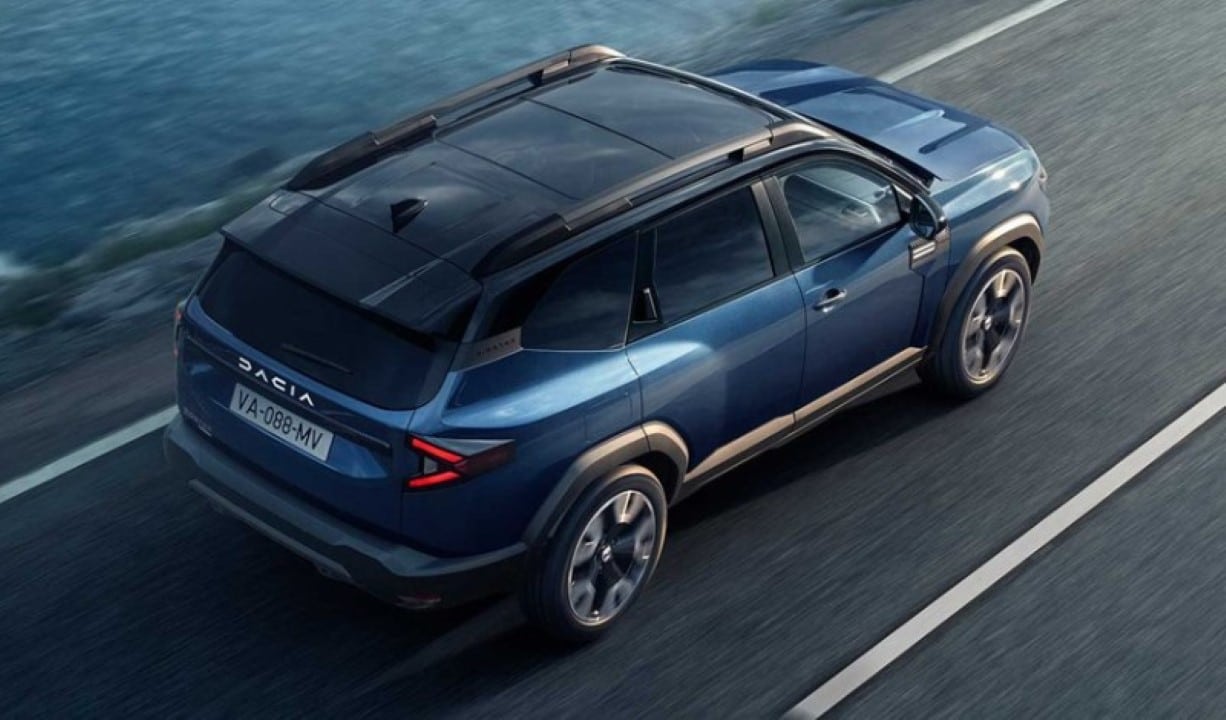
The Romanian manufacturer’s offensive in the competitive C segment reaches a new level with the official reveal of its latest and most robust sports utility vehicle. Posicionado above the renowned Duster, the model arrives to redefine the cost-benefit ratio in a category dominated by giants, bringing significant mechanical innovations and a pragmatic electrification strategy. The brand, part of Grupo Renault, confirmed that the first deliveries are scheduled for spring 2026, consolidating a change in image that seeks to attract families and adventurers who need space and versatility without sacrificing savings.
The launch marks the introduction of new engine architectures within the automaker’s range, focused on meeting the strict Euro 7 emissions standards that will come into force. With a design that emphasizes robustness and well-defined geometric lines, the vehicle has not only grown in dimensions, reaching 4.6 meters in length, but also in technical sophistication. Engineering focused on weight reduction and aerodynamic efficiency to ensure that, despite being a larger car, fuel consumption remains contained, a historic signature of the company.
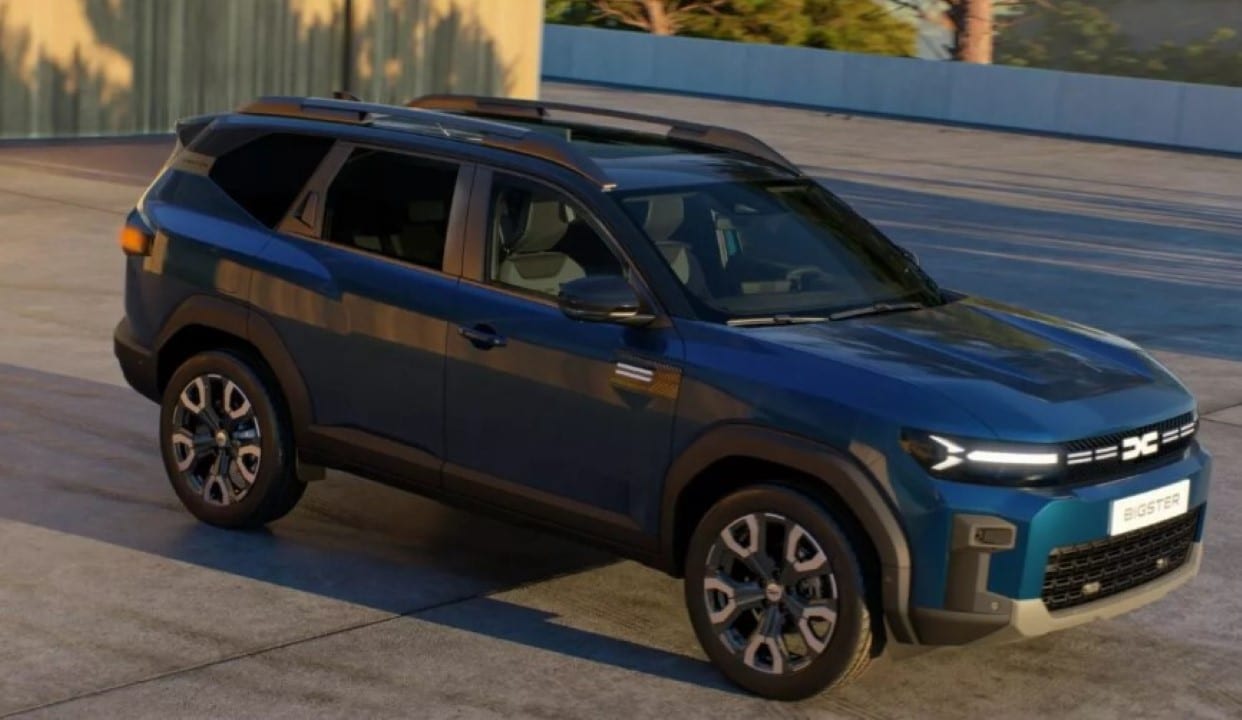
Among the highlights of the presentation, the versatility of the mechanical set draws attention, offering options ranging from light hybridization to complete high voltage systems. The investment in “full hybrid” technology demonstrates that accessibility does not need to be synonymous with obsolete technology. Pelo On the contrary, the new SUV debuts components that will be vital for the brand’s long-term sustainability, allowing the model to circulate in low-emission areas in large European cities without immediate restrictions.
The initial reception from specialized critics points to a strategic success in price and content positioning. By avoiding an excess of superfluous technologies and focusing on what is essential for driving and comfort — such as a good multimedia center, efficient air conditioning and internal modularity — the project manages to keep production costs under control. Isso is reflected in a competitive final value, which promises to upset traditional rivals who have made their products more expensive due to excessive electronic complexity.
Mechanical evolution and the new hybrid system
The heart of the new range is the unprecedented Hybrid 155 powertrain, a substantial evolution in relation to the previous systems used by the group. Este powertrain combines a four-cylinder combustion engine, with a capacity of 1.8 liters, with a powerful electric unit, managed by a clutchless multimodal gearbox. The result is a combined power of 155 horsepower, offering superior performance on roads and back roads, something critical for a vehicle of this size when loaded with passengers and luggage.
In addition to the top-of-the-line version, the Dacia introduces the TCe 140 engine, based on a 1.2-liter three-cylinder turbo block. Este propellant operates under the Miller cycle, optimized for thermal efficiency, and is assisted by a 48-volt mild-hybrid system. The compact 0.8 kWh battery assists the thermal engine in the highest consumption phases, such as starting and accelerating, reducing CO2 emissions by around 10% compared to an equivalent conventional engine. A six-speed manual transmission accompanies this version, pleasing purists who prefer total control over gear changes.
Power management has been improved to maximize the use of electric mode in urban environments. Segundo manufacturer data:
– The system allows you to run up to 80% of the time in 100% electric mode in urban traffic.
– The vehicle is always started in electric mode, ensuring silence and initial smoothness.
– Regenerative braking has been recalibrated to recover more energy, quickly feeding the battery without the need for cables.
– Intelligent management switches imperceptibly between engines, always prioritizing efficiency.
This technical approach not only complies with future environmental legislation, but also delivers a more refined driving experience. Acoustic insulation was reinforced in the engine compartment and wheel arches, meeting a long-standing demand from owners of previous models of the brand, resulting in quieter and more comfortable journeys.
4×4 capability and intelligent traction
The off-road tradition of the Dacia is maintained and improved in this new model, which is not limited to just being an SUV for appearance. The version equipped with all-wheel drive is called “150 4×4” and uses a robust mechanical configuration, but modernized with cutting-edge electronics. Diferente compared to some competitors that only use an electric motor on the rear axle to simulate all-wheel drive, this model maintains a physical cardan, guaranteeing real and constant torque on all four wheels when necessary, ideal for situations with severe low grip.
The terrain management system, called Terrain Control, offers five driving modes selectable via a rotary selector on the center console: Auto, Snow, Mud/Sand, Off-Road and Eco. Cada mode adjusts the throttle response, the distribution of torque between the axles and the intervention of the stability and traction controls. In Off-Road mode, for example, the system allows a certain level of detraction to clear tires in mud, while Snow mode softens power delivery to prevent loss of control on icy roads.
The ground clearance is one of its strong points, exceeding the 22 centimeter mark, which allows it to overcome urban and rural obstacles with ease. The entry and exit angles were designed to avoid scrapes in ditches or steep ramps, essential features for those using the vehicle on rural properties or weekend adventures. Além In addition, the hill descent control system (Hill Descent Control) comes standard on 4×4 versions, automatically controlling speed on steep descents without the driver needing to touch the brake.
Record autonomy and bet on LPG
One of the great competitive differences of the new Bigster is the maintenance and improvement of the gasoline/LPG dual-fuel technology, commercially called ECO-G. Enquanto many brands abandon alternative fuels in favor of total electrification, Dacia sees in the Gás Liquefeito of Petróleo an immediate solution for reducing operational costs and emissions. The new ECO-G 140 version does not lose performance compared to gasoline and offers perfect factory integration, with the gas tank installed in the place of the spare tire, without compromising the trunk.
Autonomy is the great asset of this configuration. Somando the two tanks (50 liters of gasoline and 49 useful liters of LPG), the SUV can travel up to 1,500 kilometers without needing to refuel. Essa capacidade de “long range” é inédita no segmento e atrai consumidores que realizam longas viagens rodoviárias ou que vivem em regiões com infraestrutura de abastecimento escassa. The transition between fuels is done automatically or manually, using a button on the dashboard, and the digital instrument panel displays the levels of both tanks accurately.
In addition to the financial savings, as LPG costs significantly less than gasoline in several European markets, there is the environmental benefit. The engine, when running on gas, emits on average 10% less CO2 than when running on gasoline. Isso contributes to the brand’s goal of reducing its global carbon footprint by offering an affordable and environmentally friendly mobility solution than traditional combustion engines, without the high cost of large electric car batteries.
Functional design and spacious interior
The exterior design reflects the brand’s new visual identity, with the front grille bearing the illuminated “Dacia
Inside, the focus was on maximizing living space. Graças to the stretched CMF-B platform, the generous wheelbase guarantees plenty of legroom for rear seat occupants, better than the category average. The trunk offers up to 667 liters of capacity, an impressive volume that can be expanded by folding down the seats, which form a flat floor. The YouClip system, a simple but ingenious innovation, allows you to attach various accessories (cell phone holders, hooks, flashlights, cup holders) to strategic points in the cabin in a safe and practical way.
Onboard technology has also taken a leap forward. The instrument panel is fully digital in all versions, with configurable 7- or 10-inch screens. The 10.1-inch central multimedia center offers wireless connectivity for Apple CarPlay and Android Auto, as well as native navigation and monitoring of 4×4 and hybrid functions. The air conditioning is now dual zone, and the model can be equipped with a panoramic sunroof, an absolute first in the Dacia line, increasing the feeling of spaciousness and luminosity on board.
Impact on the market and prospects for 2026
The arrival of the Bigster in 2026 represents a direct challenge to generalist brands such as Volkswagen, Toyota and Kia. By offering an SUV the size of the Tiguan or Sportage for the price of models in lower categories, the Dacia aims to capture rational customers looking for “more car for less money”. The high residual value strategy, proven by the success of the Duster and the Sandero, should be repeated here, making the model a safe purchase from a financial point of view.
The model also serves as a showcase for the brand’s industrial maturity. Produzido in Mioveni factory, in Romênia, it incorporates advanced manufacturing processes and strict quality control. The Bigster is expected to lead C-segment sales in key markets such as França, Itália and Alemanha, in addition to expanding the brand’s presence in new territories where demand for robust and economical SUVs is growing.
With the opening of orders scheduled for the beginning of the year and deliveries starting in the spring, the industry is waiting to see if the competition will react with price adjustments or if the Bigster will reign alone in a market segment that it is helping to create: that of essential midsize SUVs. The combination of extended range, true off-road capability and efficient hybridization appears to be the exact formula for the 2026 economic and environmental scenario.



